How To Keep Birds Out Of Buildings: Effective and Humane Strategies
Birds can be charming when observed in natural settings, but their presence around buildings often creates challenges for homeowners, business owners, and property managers. Accumulation of droppings, nesting materials, and noise can lead to property damage, health concerns, and increased maintenance costs. Effectively managing bird activity requires understanding their behavior, preferred perching spots, and entry points. Implementing strategic measures can prevent birds from settling on ledges, roofs, and ventilation areas.
Learning practical and humane techniques ensures that properties remain clean and protected while avoiding harm to the birds. Exploring proven methods and preventive practices provides valuable insight for maintaining buildings free of unwanted avian visitors. This guide covers key strategies for how to keep birds out of buildings, combining simple adjustments with targeted interventions to reduce problems while preserving safety and structural integrity.
Common Entry Points For Birds
Identifying common entry points is the first step in preventing birds from accessing buildings. Birds often look for sheltered, elevated, or hidden spaces to perch, nest, or seek food. Rooflines, vents, chimneys, eaves, and gaps around windows or doors provide easy access for them. Understanding these typical entry points helps property owners target preventive measures, reducing the likelihood of infestations. Proper inspection and maintenance can secure vulnerable areas, keeping birds outside without causing harm while maintaining building safety and cleanliness.
Rooflines, Eaves, and Gaps
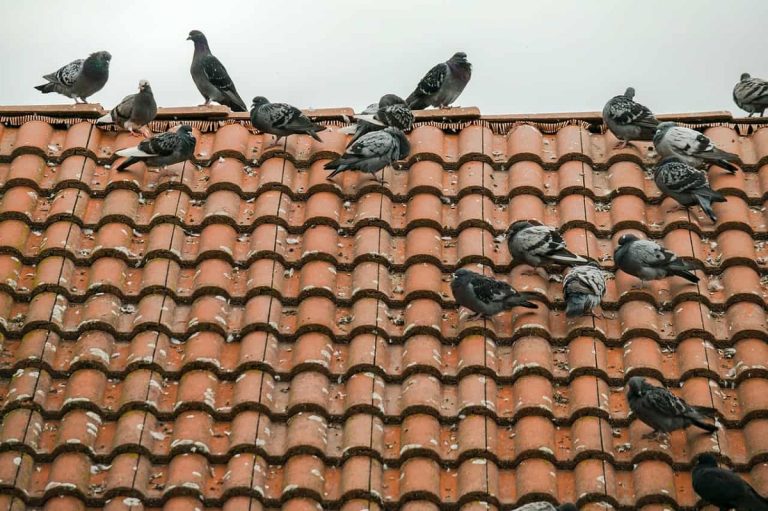
Rooflines and eaves are frequent perching and nesting spots for birds. Overhanging eaves create shaded, protected areas, making them ideal for birds seeking shelter from weather and predators. Birds often exploit gaps between roof tiles, fascia boards, or soffits to enter attics or ceilings. Even small openings around flashing or roof junctions can allow species such as pigeons, sparrows, or starlings to gain access. Sealing these gaps with appropriate materials such as wire mesh, caulk, or metal flashing can prevent entry while preserving ventilation.
Regular inspection of rooflines is essential, especially after storms or maintenance work that may loosen shingles or create new gaps. Eaves that appear secure visually can still harbor tiny crevices where small birds or fledglings can squeeze through. Addressing these areas proactively reduces the risk of nesting and droppings accumulation. You should also consider trimming overhanging tree branches near rooflines, as these can serve as bridges for birds to reach eaves or gutters. By understanding how birds exploit roof areas and gaps, you can implement targeted solutions to protect your building effectively.
Vents, Chimneys, and Windows
Birds frequently use chimneys, vents, and open windows as entry points into buildings. Chimneys without proper caps allow birds to fly directly inside, while ventilation ducts can provide access to attics or crawl spaces. Window ledges, gaps around frames, and improperly sealed vents are attractive perches that can lead to accidental entry, especially for smaller species. Installing screens, chimney caps, or mesh covers can prevent birds from entering while maintaining airflow and function.
Regular maintenance of these access points is crucial to avoid structural damage and reduce cleaning needs. Birds nesting in chimneys or vents can create blockages that pose fire hazards or obstruct ventilation. Open windows without screens may also allow birds to fly in unintentionally, causing stress for both the birds and occupants.
Observing bird activity around your building helps identify the most vulnerable points and informs the best preventive measures. Proactive measures at these common entry locations significantly reduce the chances of infestations and the associated problems with droppings, noise, and property damage.
Physical Barriers And Deterrents
Using physical barriers and deterrents is one of the most effective ways to prevent birds from accessing buildings. These solutions focus on blocking entry points and discouraging perching or nesting without harming the birds. From netting and spikes to screens and wire mesh, various tools can be implemented depending on the type of structure and bird species. Understanding which barriers work best for specific areas helps maintain building integrity while keeping birds safely outside.
Netting, Screens, and Wire Mesh
Netting, screens, and wire mesh are versatile physical barriers that prevent birds from entering vulnerable areas of a building. Netting can be installed over vents, rooflines, balconies, or open spaces to create a protective shield that birds cannot penetrate. Screens and wire mesh provide a more permanent solution for windows, chimneys, and attic vents, allowing airflow while blocking access. These barriers are effective for both small and medium-sized birds and can be tailored to the size of gaps and openings.
Proper installation is crucial for effectiveness. Loose or improperly secured netting can allow birds to squeeze through or become entangled, creating additional hazards. You should inspect netting and mesh regularly for wear and tear, replacing damaged sections promptly.
Choosing durable, weather-resistant materials ensures longevity, while careful placement prevents interference with ventilation or maintenance access. By strategically installing netting, screens, and wire mesh, property owners can significantly reduce the risk of bird intrusion and protect building exteriors and interiors from damage and droppings.
Bird Spikes, Slopes, and Repellent Surfaces
Bird spikes, angled surfaces, and other deterrent materials are designed to make perching and nesting uncomfortable, discouraging birds from settling on ledges, roofs, and beams. Spikes are commonly installed along rooflines, gutters, and window sills, creating a physical barrier that prevents birds from landing without causing injury. Angled or sloped surfaces reduce flat perching areas, while sticky or textured deterrent strips discourage birds from remaining in specific spots.
These solutions are particularly effective in urban or high-traffic areas where birds frequently congregate. Combining spikes with other barriers, such as netting or mesh, enhances overall protection. Maintenance and regular inspection ensure that deterrents remain functional, especially after extreme weather or seasonal debris buildup.
By implementing these physical deterrents strategically, you can minimize bird activity around critical building areas while keeping the methods humane and environmentally safe. Proper planning and installation of spikes and sloped surfaces can significantly reduce damage, droppings, and nesting problems.
Visual And Auditory Deterrents
Visual and auditory deterrents provide non-invasive methods to discourage birds from frequenting buildings. These approaches rely on birds’ natural instincts to avoid predators or uncomfortable stimuli, helping keep them away without causing harm. Using reflective materials, decoys, or sound-emitting devices can effectively reduce perching, nesting, and roosting in vulnerable areas. Understanding which deterrents work for specific bird species and combining visual and auditory strategies enhances overall effectiveness in maintaining bird-free zones around buildings.
Visual Deterrents
Visual deterrents exploit birds’ sensitivity to movement, light, and the presence of predators. Reflective surfaces, such as tape, mirrors, or hanging CDs, create flashes of light that startle birds and discourage them from approaching. Predator decoys, including owls, hawks, or snakes, take advantage of natural fear responses, making areas appear unsafe for perching or nesting. Some property owners also use inflatable or motion-activated objects to simulate movement, further deterring birds from lingering.
Effectiveness depends on rotation and strategic placement. Birds can become accustomed to static deterrents over time, so regularly moving or changing the position of visual devices maintains their effectiveness. Combining multiple types of visual deterrents, such as reflective tape with predator decoys, increases the chances of discouraging a variety of species. Observing bird behavior helps identify the most frequently targeted areas and guides where to install deterrents for maximum impact.
Auditory Deterrents
Auditory deterrents use sound to prevent birds from settling in buildings or nearby areas. Devices that emit distress calls, predator sounds, or sudden noises exploit the birds’ natural avoidance behaviors. These sounds create an environment perceived as unsafe, encouraging birds to relocate. Some systems are motion-activated, only producing noise when birds approach, which minimizes continuous disruption while enhancing the deterrent effect.
Auditory deterrents are most effective when combined with visual strategies. Birds may initially react to sound alone, but habituation can reduce long-term effectiveness, making varied auditory patterns and intermittent usage important.
Volume and direction should be adjusted to target specific areas without disturbing humans or pets unnecessarily. Using auditory deterrents alongside visual cues strengthens the overall strategy, reducing perching, nesting, and roosting, and helping maintain buildings and surrounding spaces free of unwanted avian activity.
Chemical And Non-Toxic Repellents
Chemical and non-toxic repellents offer additional methods for keeping birds away from buildings without causing them harm. These products can deter birds through taste, smell, or mild discomfort, discouraging perching and nesting in targeted areas. Understanding the differences between chemical and non-toxic options helps property owners choose solutions that are safe, effective, and suitable for the specific bird species they are trying to manage. Proper application and monitoring ensure both protection of the building and the well-being of local wildlife.
Chemical Repellents
Chemical repellents are formulated to make surfaces or areas unappealing to birds. They often contain compounds that produce unpleasant tastes or odors when birds come into contact with treated surfaces. Some sprays create a sticky or slightly uncomfortable texture on ledges, window sills, or roofing areas, discouraging birds from landing or roosting. These products are designed to be safe when used according to manufacturer instructions, minimizing the risk of direct harm to birds while effectively reducing activity in targeted locations.
Application is key to effectiveness. Treated areas should be re-applied periodically, particularly after rain or cleaning, to maintain the deterrent effect. Different chemical repellents target specific bird behaviors, so understanding the species involved is essential. Using these products strategically, such as on ledges, gutters, and other common perching spots, helps reduce nesting and droppings without affecting the surrounding environment. Proper precautions, including wearing gloves and following label instructions, ensure safe handling during application.
Non-Toxic Repellents
Non-toxic repellents use natural ingredients or mild substances to deter birds without introducing chemicals into the environment. These can include herbal sprays, essential oils, or natural extracts with scents or tastes birds find unpleasant. Some products also rely on physical sensations, such as gentle textures that make perching uncomfortable. These repellents are safe for humans, pets, and wildlife, making them ideal for areas with frequent bird activity.
Effectiveness depends on consistent application and placement. Non-toxic repellents work best when applied to high-traffic perching areas and combined with other deterrents, such as visual or auditory methods. Regular reapplication is necessary, as natural ingredients may degrade more quickly than chemical options. By choosing non-toxic repellents, you can maintain bird-free zones around buildings while preserving a safe and environmentally friendly approach that respects local wildlife.
Frequently Asked Questions
What Are The Most Common Entry Points For Birds In Buildings?
Birds often enter buildings through rooflines, eaves, chimneys, vents, gaps around windows, and open doors. These areas provide sheltered, elevated, or hidden spots that birds find ideal for perching, nesting, or seeking food. You should inspect your building regularly to identify vulnerable areas and seal any gaps using wire mesh, caulk, or screens. Addressing common entry points is the first step in preventing infestations, protecting structural integrity, and reducing issues like droppings, noise, and nesting materials inside your property.
How Can Physical Barriers Help Keep Birds Out?
Physical barriers such as netting, wire mesh, screens, and spikes prevent birds from accessing perches, ledges, and entry points. Netting can cover open areas, while screens or wire mesh protect vents and windows. Bird spikes and angled surfaces discourage landing without causing harm. You should install these barriers strategically, ensuring they are secure and regularly maintained. Physical deterrents block access directly, reducing nesting and roosting activity. Combining multiple barrier types enhances effectiveness, keeping birds away from sensitive areas while maintaining building safety and aesthetics.
Are Visual Deterrents Effective Against Birds?
Visual deterrents exploit birds’ natural fear of predators or sudden movement. Reflective tape, mirrors, hanging CDs, predator decoys, and inflatable objects create visual cues that startle or intimidate birds. You should rotate or move these devices regularly to prevent birds from becoming accustomed to them. Visual deterrents are particularly effective in combination with other methods, helping discourage perching and nesting. Observing bird behavior around your building helps determine the most frequently targeted areas, allowing you to place visual deterrents where they will have the greatest impact.
How Do Auditory Deterrents Work To Repel Birds?
Auditory deterrents use sound to discourage birds from settling near buildings. Devices emit predator calls, distress signals, or sudden noises that make the environment seem unsafe. Motion-activated systems only produce sound when birds approach, minimizing disturbance to humans while enhancing effectiveness. You should adjust volume and direction to target problem areas without affecting pets or neighbors. Using auditory deterrents alongside visual methods strengthens their impact, reducing perching, nesting, and roosting. These devices work best when varied in timing and pattern to prevent birds from becoming habituated.
Can Chemical Or Non-Toxic Repellents Help Keep Birds Away?
Chemical and non-toxic repellents make surfaces unappealing to birds through taste, smell, or mild discomfort. Chemical repellents often create sticky or unpleasant textures, while non-toxic options use natural ingredients like essential oils or herbal extracts. You should apply these repellents to ledges, vents, and other high-traffic perching areas according to manufacturer instructions. Regular reapplication maintains effectiveness, and combining repellents with physical or visual deterrents increases overall results. Using safe repellents allows you to protect your building while minimizing harm to birds and the surrounding environment.
How Can Building Maintenance Reduce Bird Problems?
Regular maintenance helps prevent bird infestations by sealing gaps, repairing damaged roofs, cleaning gutters, and ensuring vents and chimneys are covered. You should also trim overhanging tree branches to remove easy access points to rooflines and ledges. Routine inspections identify areas at risk of bird activity, allowing you to address them before nesting occurs. Proper maintenance not only keeps birds out but also reduces droppings, debris, and potential structural damage. Combining maintenance with deterrents creates a comprehensive strategy for protecting your building from unwanted avian visitors.
What Are The Most Humane Ways To Keep Birds Out Of Buildings?
Humane methods focus on deterring birds without causing injury. Physical barriers like netting and spikes, visual deterrents such as reflective tape or decoys, auditory devices, and safe repellents all prevent birds from entering or nesting. You should avoid traps or harmful chemicals that could injure or kill birds. Implementing multiple deterrent strategies in combination increases effectiveness while respecting wildlife. Providing untreated areas for feeding or roosting nearby allows birds to maintain natural behaviors safely, ensuring humane and environmentally responsible building protection.
Final Words
Preventing birds from entering and nesting in buildings requires a combination of strategies that focus on safety, effectiveness, and long-term results. Physical barriers like netting, spikes, and screens can block common entry points, while visual and auditory deterrents discourage birds from approaching. Regular maintenance, including nest removal and cleaning droppings, reduces attractiveness and prevents re-entry.
Additionally, humane practices and compliance with local regulations ensure that wildlife is protected while your property remains secure. By integrating multiple methods and staying vigilant, you can significantly reduce the risk of infestations and property damage. Taking these steps allows you to safeguard your building without harming birds, creating a balanced solution for both humans and wildlife. Ultimately, applying these measures thoughtfully provides clear guidance on [how to keep birds out of buildings] while maintaining a safe and bird-friendly environment.