Can A Airsoft Gun Kill A Bird: Power, Risks, and Legal Consequences
Airsoft guns are often viewed as recreational tools designed for sport and target practice. Many people consider them safer alternatives to traditional firearms because they shoot plastic pellets at lower velocities. Despite that reputation, questions still arise about their actual power and potential impact on living creatures.
Concerns about animal safety naturally come up when discussing airsoft use outdoors. Birds are small, lightweight animals with delicate bones and organs, which makes them vulnerable to various forms of injury. Understanding the risks involved requires looking at pellet speed, distance, and point of impact.
The question can a airsoft gun kill a bird is more serious than it may first appear. Even non-lethal weapons can cause severe harm under certain conditions. Examining this topic helps clarify the ethical, legal, and practical consequences tied to careless or intentional misuse of airsoft equipment.
Can A Airsoft Gun Kill A Bird In Real Situations
Airsoft guns are commonly used for recreational shooting and competitive games, yet their potential to injure wildlife raises serious concerns. Many people underestimate their power because they fire plastic pellets instead of metal bullets. Understanding whether harm can occur in real situations requires examining pellet velocity, distance, shot placement, and the physical vulnerability of birds in outdoor environments.
Power And Velocity Of Airsoft Guns
Airsoft guns vary widely in power depending on the model and modifications. Standard spring-powered airsoft guns often shoot pellets at speeds between 200 and 350 feet per second, while higher-end electric or gas-powered models can exceed 400 feet per second. At close range, even lightweight plastic BBs can generate enough force to cause injury.
Birds have fragile skeletal structures and lightweight bodies designed for flight. Their hollow bones and small organs make them particularly vulnerable to blunt force trauma. A pellet striking sensitive areas such as the head, chest, or eyes can cause severe injury. While airsoft guns are not designed for lethal force, their impact at short distances can still be dangerous.
Real-world situations amplify these risks. Outdoor shooting without awareness of surroundings increases the likelihood of accidentally hitting wildlife. The combination of pellet speed and proximity determines whether an injury becomes life-threatening.
Distance And Point Of Impact
Distance plays a major role in determining the severity of injury. As a pellet travels farther, it loses velocity and impact strength. At longer distances, it may cause minor bruising or superficial injury. At close range, however, the same pellet can penetrate delicate tissues or cause internal trauma.
The point of impact is equally critical. A strike to a wing may break bones and prevent flight, leaving the bird vulnerable to predators. A hit to the chest could damage vital organs, while a headshot may result in immediate death. Even non-lethal injuries can lead to suffering, infection, or eventual death due to inability to forage or escape danger.
Understanding these factors helps clarify that outcomes vary widely depending on circumstances. Real situations are unpredictable, and even a single careless shot can have serious consequences for a small bird.
Legal And Ethical Considerations
Using an airsoft gun against wildlife is not only harmful but often illegal. Many regions have laws protecting birds, especially native and migratory species. Intentionally shooting a bird can result in fines, penalties, or other legal consequences. Wildlife protection laws exist to maintain ecological balance and prevent unnecessary suffering.
Ethically, harming birds for sport or curiosity raises significant concerns. Birds play important roles in ecosystems through seed dispersal, pest control, and pollination. Causing injury disrupts natural systems and creates avoidable suffering. Responsible airsoft use means practicing in controlled environments such as designated fields or safe target ranges.
Recognizing the broader environmental and moral implications encourages more thoughtful behavior. Airsoft activities should prioritize safety, respect for wildlife, and awareness of local regulations.
Accidental Harm And Prevention
Accidental shootings can happen when airsoft guns are used in backyards, parks, or wooded areas where birds are present. Pellets may miss intended targets and strike unintended animals. Even a moment of inattention can result in harm.
Preventive measures include using proper backstops, avoiding shooting in open natural areas, and ensuring clear lines of sight before firing. Protective barriers and designated targets reduce the risk of stray pellets. Education about safe handling practices is essential for minimizing harm to wildlife.
Awareness and responsibility significantly reduce the chances of injuring birds. Real situations often depend on user behavior, and careful planning makes a meaningful difference in preventing accidental or intentional harm.
How Powerful Is An Airsoft Gun
Airsoft guns are designed for recreational shooting, training simulations, and competitive gameplay, yet many people question how much power they truly have. Their appearance often resembles real firearms, but their internal mechanics and projectile force are very different. Understanding how powerful an airsoft gun is requires examining velocity, energy output, range, and the factors that influence overall performance.
Velocity And Feet Per Second Ratings
One of the main ways you measure the power of an airsoft gun is through velocity, commonly expressed in feet per second or FPS. Entry-level spring-powered airsoft guns typically shoot between 200 and 350 FPS. Mid-range electric or gas-powered models often reach 350 to 400 FPS, while high-performance versions used in competitive play can exceed 450 FPS.
Higher FPS means the pellet travels faster and hits with greater force. However, power is not determined by speed alone. The weight of the BB also affects impact. Heavier pellets carry more momentum, even at slightly lower speeds. This balance between speed and weight determines how forcefully the projectile strikes a target.
Field regulations often limit FPS to ensure player safety. Indoor arenas usually require lower FPS limits, while outdoor fields may allow slightly higher ranges. Understanding FPS ratings helps you evaluate the intended use and safety level of different airsoft guns.
Energy Output And Impact Force
Power can also be measured in joules, which calculate the energy transferred when the pellet hits a surface. Most standard airsoft guns produce between 0.5 and 2 joules of energy. While that is far less than traditional firearms, it is still enough to cause pain or minor injury at close range.
The impact force depends on distance and protective gear. At close range, a high-powered airsoft gun can break thin materials like cardboard or lightweight plastic. It can also cause welts or bruises on unprotected skin. This is why protective eyewear and face protection are mandatory in organized airsoft games.
Even though airsoft guns are considered non-lethal recreational devices, they should not be treated as toys. The energy they produce is significant enough to demand responsible handling and clear safety guidelines.
Effective Range And Accuracy
An airsoft gun’s power also influences its effective range. Standard models are accurate up to 50 to 100 feet, depending on design and pellet quality. Higher-powered rifles designed for outdoor gameplay can reach distances of 150 feet or more with reasonable accuracy.
Range is affected by factors such as hop-up systems, barrel length, and environmental conditions like wind. The hop-up mechanism adds backspin to the pellet, allowing it to travel farther and remain stable in flight. A more powerful airsoft gun often maintains accuracy over longer distances, though precision still depends on user skill.
Understanding range helps you see how power translates into real-world performance. Greater velocity may extend shooting distance, but accuracy and control remain equally important for effective and safe use.
Differences Between Airsoft And Other Air Guns
Many people confuse airsoft guns with BB guns or pellet guns, but their power levels differ significantly. BB guns and pellet guns typically shoot metal projectiles at much higher velocities, sometimes exceeding 700 FPS. These devices can cause serious injury and are often used for pest control or small game hunting.
Airsoft guns, by contrast, use lightweight plastic BBs and operate at lower energy levels. Their primary purpose is recreational gameplay rather than hunting or pest management. This difference in projectile material and velocity greatly reduces their penetration power compared to traditional air guns.
Recognizing these distinctions allows you to better understand how powerful an airsoft gun truly is. While less dangerous than many other projectile weapons, it still requires respect, proper supervision, and consistent safety precautions during use.
Potential Harm And Injury To Birds
Birds are delicate creatures with lightweight bodies designed for flight, making them especially vulnerable to physical trauma. Even objects that seem small or harmless can cause serious injury under certain conditions. Understanding potential harm and injury to birds requires examining their anatomy, the types of trauma they may experience, and the long-term consequences that follow even a single damaging event.
Physical Vulnerability Of Birds
Birds have hollow bones that reduce body weight and support flight efficiency. While this adaptation helps them stay airborne, it also makes their skeletal system more fragile than that of many land animals. A strong impact can easily fracture wings, legs, or ribs, leaving the bird unable to fly or escape predators.
Their small size increases vulnerability. A force that may feel minor to a larger animal can be devastating to a bird. Injuries to wings are especially critical because flight is essential for finding food, avoiding threats, and migrating. A broken wing often means the bird cannot survive in the wild without intervention.
Internal organs are also compact and sensitive. Trauma to the chest area can damage lungs or the heart, leading to internal bleeding or breathing difficulties. Because birds hide signs of weakness to avoid predation, injuries may not be immediately obvious, making them even more dangerous.
Types Of Injuries Birds Can Experience
Birds can suffer from a wide range of injuries depending on the source of harm. Blunt force trauma is common when a bird is struck by a fast-moving object. This can result in bruising, fractures, concussions, or internal organ damage.
Penetrating injuries are even more severe. A small projectile or sharp object can pierce skin and muscle, causing bleeding and infection. Eye injuries are particularly devastating, as birds rely heavily on vision for survival. Damage to one or both eyes severely limits their ability to hunt, navigate, or recognize predators.
Soft tissue injuries may appear minor at first but can worsen over time. Swelling, infection, and untreated wounds often reduce mobility and overall health. Even a single injury can set off a chain reaction that weakens the bird physically and behaviorally.
Long-Term Consequences Of Injury
The effects of injury often extend far beyond the initial impact. A bird that cannot fly properly may struggle to access food sources or return to its nest. Reduced mobility increases exposure to predators and harsh weather conditions.
Stress also plays a significant role in survival. Injured birds experience high levels of physiological stress, which can weaken their immune systems. A weakened immune response makes them more susceptible to infections and disease, further lowering survival chances.
In breeding season, injury affects reproduction. An injured adult may be unable to defend territory or feed chicks effectively. This not only threatens the individual bird but can also impact local population stability over time.
Human Activities And Risk Factors
Many injuries to birds are linked to human activity. Shooting projectiles, collisions with windows, vehicle strikes, and environmental pollution are common causes of trauma. Even unintentional actions, such as careless outdoor target practice, can result in harm.
Backyards and parks may appear safe, but they often host nesting birds or feeding flocks. A stray object traveling at high speed can cause immediate or delayed injury. Habitat destruction also increases risk by forcing birds into closer contact with human environments.
Understanding these risk factors encourages more responsible behavior. Taking precautions during outdoor activities and respecting wildlife habitats significantly reduces preventable harm. Awareness is a crucial step in protecting birds from unnecessary injury and ensuring healthier ecosystems.
Safe And Responsible Airsoft Use
Airsoft is a popular recreational activity enjoyed by players of all ages, but safety must always remain the top priority. Although airsoft guns are less powerful than firearms, they still fire projectiles at high speeds. Practicing safe and responsible airsoft use protects players, bystanders, property, and wildlife while ensuring the sport remains enjoyable and legally compliant.
Understanding Basic Safety Rules
Every time you handle an airsoft gun, you should treat it as a real weapon. Keeping the muzzle pointed in a safe direction reduces the risk of accidental injury. Finger discipline is equally important, meaning your finger stays off the trigger until you are ready to shoot at a proper target.
Protective gear is essential in all situations. Full-seal eye protection prevents serious eye injuries, which are among the most common airsoft accidents. Face masks, gloves, and long sleeves further reduce the risk of welts and skin damage. Organized fields require approved safety equipment for a reason, and following those rules protects everyone involved.
Safe storage also matters. When not in use, airsoft guns should be unloaded, secured, and stored away from children. Responsible handling habits build a safer environment both during games and at home.
Choosing Appropriate Shooting Locations
Where you use an airsoft gun significantly affects safety outcomes. Designated airsoft fields or controlled environments are the safest options because they enforce rules and maintain boundaries. These locations are designed to minimize risks to people, animals, and property.
Backyard shooting requires extra caution. You need a proper backstop to catch stray BBs and prevent pellets from traveling beyond your target. Shooting in open areas without barriers increases the chance of unintended damage or injury. Awareness of surroundings is critical before pulling the trigger.
Public spaces such as parks or streets are inappropriate for airsoft use. Not only can this alarm others, but it may also violate local laws. Selecting responsible locations reduces accidents and prevents legal complications.
Respecting Wildlife And Property
Responsible airsoft use includes respect for wildlife. Birds and small animals may inhabit wooded areas or backyards where people practice shooting. Firing without checking your surroundings can unintentionally harm animals. Ensuring a clear and controlled shooting path prevents unnecessary injury to wildlife.
Property damage is another concern. Windows, vehicles, and neighboring structures can be damaged by stray pellets. Even lightweight plastic BBs can cause cracks or surface marks under certain conditions. Taking time to set up safe targets protects both your property and that of others.
Practicing environmental awareness demonstrates maturity and responsibility. Airsoft should never interfere with natural habitats or disturb animals. Respecting both living creatures and property keeps the activity ethical and community-friendly.
Following Legal Guidelines And Community Standards
Airsoft laws vary depending on region, so understanding local regulations is essential. Some areas restrict public display of realistic-looking airsoft guns. Others require orange tips or limit where they can be transported. Staying informed about local laws prevents misunderstandings and penalties.
Transporting airsoft guns safely is equally important. Keeping them in a case and out of public view reduces the risk of confusion with real firearms. Clear communication with neighbors about backyard practice can also prevent unnecessary alarm.
FAQs
Can A Airsoft Gun Kill A Bird?
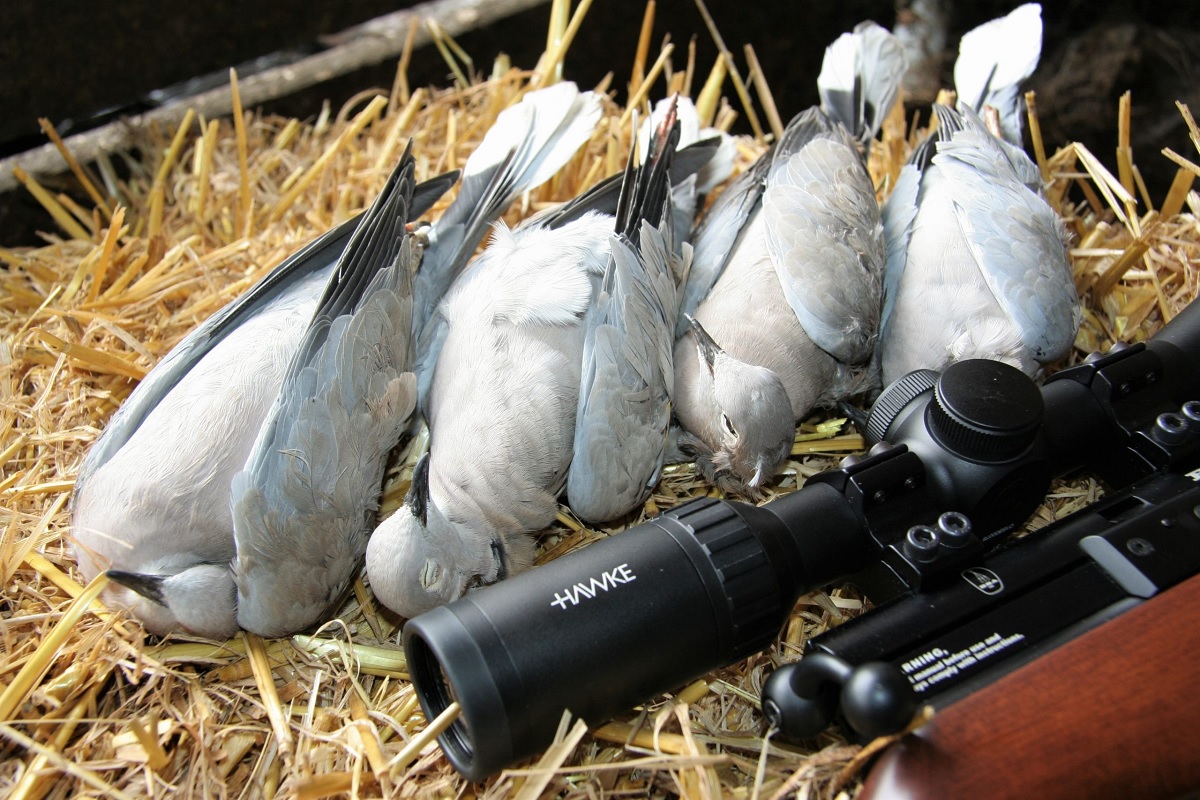
You may wonder can a airsoft gun kill a bird in real situations. The answer depends on factors like distance, pellet speed, and where the bird is hit. At close range, higher-powered airsoft guns can cause severe injury that may lead to death, especially because birds have fragile bones and small bodies.
Even when not immediately fatal, injuries can prevent a bird from flying or feeding properly. This often leads to infection, starvation, or predation. While airsoft guns are designed for sport, they still have enough force to seriously harm small wildlife.
How Powerful Does An Airsoft Gun Need To Be To Harm A Bird?
You should understand that even standard airsoft guns shooting between 300 and 400 FPS can injure a small bird at close range. The lighter the bird and the closer the distance, the greater the risk of serious harm.
Higher-powered models increase that risk significantly. A direct hit to the head or chest can cause life-threatening trauma. Power is not just about speed, but also pellet weight and impact point. This combination determines how much damage can occur in a real-world situation.
Is It Illegal To Shoot A Bird With An Airsoft Gun?
In many regions, birds are protected under wildlife conservation laws. You can face fines or legal consequences for intentionally harming or killing them, even with an airsoft gun. Laws often apply regardless of whether the weapon is classified as non-lethal.
Beyond legal penalties, wildlife protection exists to preserve ecological balance. Shooting birds for sport or curiosity is considered unethical and irresponsible. You should always check local regulations and understand that harming wildlife can carry serious legal and social consequences.
Can An Airsoft Gun Kill A Bird Instantly?
An airsoft gun may cause immediate death in rare cases, especially at close range with a powerful model aimed at a vital area. A direct hit to the head can result in fatal trauma.
However, many injuries are not instantly fatal. Birds may fly away after being hit but later die from internal bleeding, infection, or inability to feed. Instant death is not guaranteed, but the potential for serious suffering remains significant.
Are Some Birds More Vulnerable Than Others?
Smaller birds are generally more vulnerable because of their lighter body weight and delicate bone structure. A small sparrow or finch faces greater risk from impact compared to a larger bird.
Larger birds may withstand minor impacts better, but they are not immune to injury. The point of impact and shooting distance remain critical factors. You should recognize that all birds are vulnerable to harm under certain conditions.
What Happens To A Bird After Being Injured By An Airsoft Gun?
An injured bird may struggle to fly, show signs of disorientation, or remain grounded. Broken wings or internal injuries prevent it from escaping predators or finding food.
Even injuries that seem minor can lead to infection or long-term weakness. Birds instinctively hide signs of vulnerability, so visible symptoms may appear late. The aftermath often involves prolonged suffering rather than quick recovery, especially in the wild without medical care.
How Can You Prevent Harm To Birds While Using Airsoft Guns?
You can prevent harm by using airsoft guns only in controlled environments such as designated fields. Setting up proper backstops and avoiding wooded or wildlife-populated areas reduces accidental injury.
Awareness of surroundings is essential before firing. Responsible storage and handling also minimize misuse. By prioritizing safety and respecting wildlife, you ensure that recreational airsoft activities do not cause unnecessary damage to birds or the environment.
Final Words
Airsoft guns are often considered recreational devices, but they still have the potential to cause harm under certain conditions. Factors such as velocity, shooting distance, and the size of the bird all influence the level of injury that may occur. Even if a shot is not immediately fatal, it can result in serious wounds, infection, or prolonged suffering for the animal.
When asking can a airsoft gun kill a bird, the honest answer is that it can, depending on the circumstances. Smaller birds are especially vulnerable to high-velocity airsoft pellets at close range. Beyond the physical harm, there are also ethical and legal consequences to consider, as many bird species are protected by wildlife laws.
Responsible use of airsoft equipment is essential. Instead of targeting wildlife, users should focus on approved targets and designated play areas. Understanding can a airsoft gun kill a bird helps promote safer choices, legal compliance, and respect for animals and the environment.