Are Ducks Game Birds – Understanding Hunting And Wildlife Classification
Ducks are a common sight in wetlands, ponds, and rivers, admired for their graceful movements and unique behaviors. Beyond their presence in nature, they also play a significant role in hunting and wildlife management. Understanding the classification of ducks helps enthusiasts, hunters, and conservationists approach them appropriately.
He or she may wonder about the legal and recreational aspects of hunting ducks. Certain species are hunted for sport, while others are protected due to conservation concerns. Recognizing which ducks are considered game birds is important for adhering to regulations and promoting sustainable hunting practices.
Game birds are typically defined by their eligibility for regulated hunting, population management, and ecological impact. Ducks often fall under this category, but rules vary by species, region, and season. Knowing which ducks are legally hunted ensures responsible behavior and helps maintain ecological balance.
Awareness of these classifications benefits hunters and wildlife enthusiasts alike. It fosters safe, ethical, and informed interactions with duck populations, balancing recreation with conservation.
Defining Game Birds In Hunting And Wildlife Context
Game birds hold a unique position in both hunting and wildlife management. Understanding what qualifies a bird as a game species is essential for hunters, conservationists, and wildlife enthusiasts alike. He or she must recognize that the classification involves legal definitions, ecological considerations, and cultural traditions, ensuring responsible interaction with these birds while maintaining population balance.
Legal Definition Of Game Birds
Game birds are legally defined species that may be hunted under regulated conditions. He or she must follow specific laws, including hunting seasons, bag limits, and licensing requirements. These regulations exist to protect bird populations, prevent overhunting, and ensure sustainable recreational practices.
The legal designation varies by country and region, often encompassing species such as ducks, pheasants, quails, and grouse. Understanding which birds are officially recognized as game ensures that hunters comply with conservation laws and avoid penalties. Regulations often include habitat restrictions, hunting methods, and permit requirements, all designed to manage populations effectively. Awareness of these legal definitions is crucial for both novice and experienced hunters to enjoy hunting safely and ethically while contributing to conservation efforts.
Ecological Role And Management
Game birds play a significant role in ecosystem balance. He or she must understand that these birds help control insect populations, support seed dispersal, and provide food for predators. Managing game bird populations ensures the health of entire habitats.
Wildlife agencies monitor numbers, breeding success, and habitat conditions to determine appropriate hunting quotas. Hunting serves as a population control tool that prevents overpopulation, habitat degradation, and disease spread.
By classifying certain birds as game species, managers can balance recreational use with ecological sustainability. This approach allows hunters to engage in outdoor activities while supporting broader conservation goals, highlighting the intersection of recreation and responsible wildlife management.
Cultural And Recreational Significance
Game birds have long-standing cultural and recreational importance. He or she may encounter traditions, festivals, and culinary practices that center around hunting these species. Hunting game birds is often considered a sport that combines skill, patience, and knowledge of the environment.
Beyond recreation, these practices contribute to local economies through licensing fees, equipment sales, and tourism. Ethical hunting practices ensure that populations remain healthy, and habitats are preserved for future generations. Recognizing the cultural significance of game birds enhances appreciation for conservation efforts and promotes responsible hunting as part of heritage and recreational enjoyment.
Species Commonly Classified As Game Birds
Certain bird species are commonly classified as game birds, including waterfowl like ducks and geese, upland birds such as pheasants and quails, and grouse. He or she should note that classification can differ depending on region, conservation status, and hunting regulations.
By identifying which birds fall under the game category, hunters can plan their activities responsibly, follow legal requirements, and avoid targeting protected or non-game species. Proper knowledge of game bird species also aids in habitat conservation, monitoring, and population management. Understanding the species classification ensures ethical hunting practices, reduces the risk of ecological disruption, and supports sustainable recreational hunting for both present and future wildlife enthusiasts.
Importance Of Knowledge And Compliance
Knowledge and compliance are critical when interacting with game birds. He or she benefits from understanding regulations, species characteristics, and ecological impact before hunting. Education ensures safe practices, ethical behavior, and protection of bird populations.
Compliance with hunting laws, bag limits, and seasonal restrictions safeguards the sustainability of game bird populations. Awareness of ecological roles, species identification, and habitat needs helps hunters and wildlife managers make informed decisions. By combining legal knowledge with practical experience, enthusiasts contribute to long-term conservation goals, maintaining the delicate balance between recreation and ecological responsibility in the management of game birds.
Duck Species Commonly Considered Game Birds
Ducks are among the most popular game birds due to their abundance, ecological role, and suitability for regulated hunting. Understanding which species are considered game birds is essential for hunters, wildlife managers, and conservation enthusiasts. He or she must recognize species-specific behaviors, habitats, and legal protections to engage in responsible hunting while supporting population sustainability.
Mallard Ducks
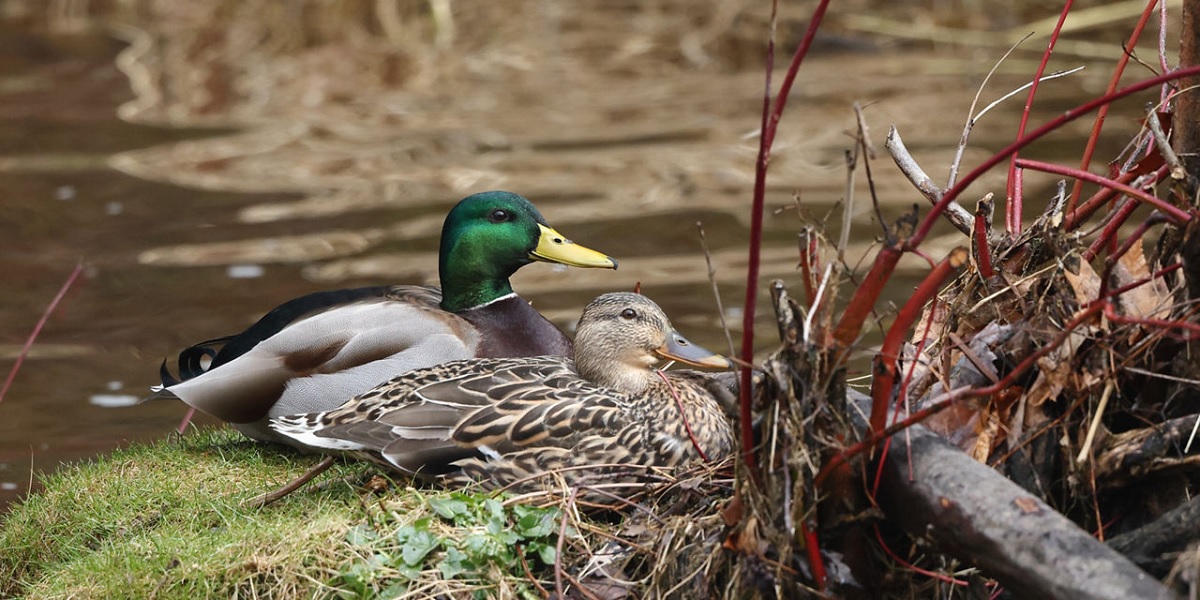
Mallards are one of the most widely recognized and hunted game ducks. He or she should note that they inhabit wetlands, ponds, rivers, and agricultural areas, making them accessible for waterfowl hunting. Their adaptability and population size have contributed to their classification as a regulated game species.
Hunting regulations for mallards typically include seasonal restrictions, bag limits, and licensing requirements to ensure sustainable population management. These ducks exhibit migratory behavior, which requires hunters to be aware of regional hunting rules and protected areas. Proper identification is crucial, as mallards can be confused with similar-looking species.
Ethical hunting practices, such as respecting habitat, observing limits, and following local laws, help maintain healthy populations while allowing recreational opportunities for hunters. Understanding mallard behavior, feeding habits, and habitat preferences enhances both the success and sustainability of hunting activities.
Northern Pintail
Northern pintails are another popular game duck species. He or she may encounter them in shallow wetlands, marshes, and agricultural fields, where they feed on seeds, aquatic plants, and invertebrates. Their slender bodies, long necks, and distinctive plumage make them identifiable to hunters and wildlife enthusiasts alike.
Due to their migratory nature, northern pintails are subject to regulated hunting seasons and bag limits to prevent population decline. Hunters must adhere to these regulations and respect protected habitats. Conservation agencies monitor pintail populations, providing data to guide sustainable hunting practices.
By understanding the ecology and behavior of northern pintails, hunters can engage in ethical harvesting while supporting population stability. Knowledge of feeding patterns, flight behavior, and preferred habitats enhances safety, effectiveness, and ecological responsibility during waterfowl hunting.
Wood Ducks
Wood ducks are prized both for hunting and birdwatching due to their vibrant plumage and unique nesting habits. He or she should recognize that wood ducks inhabit wooded swamps, ponds, and river corridors, often nesting in tree cavities or nest boxes provided by conservation programs.
Hunting wood ducks is regulated through permits, seasonal restrictions, and bag limits to maintain population health. Their reliance on specific habitats requires careful consideration by hunters to avoid disturbance and protect nesting sites. Conservation efforts, such as habitat restoration and nest box programs, support sustainable wood duck populations.
By understanding the ecological requirements and behaviors of wood ducks, hunters and wildlife enthusiasts can contribute to both ethical hunting practices and broader conservation goals. Awareness of habitat preferences, feeding patterns, and reproductive behavior ensures responsible and effective management of this iconic game bird species.
Gadwall Ducks
Gadwall ducks are another common species classified as game birds. He or she may find them in marshes, lakes, and agricultural fields, where they feed primarily on aquatic plants and seeds. Gadwalls are less colorful than some other species, but their subtle plumage provides camouflage, making them a challenging and rewarding target for hunters.
Regulated hunting seasons, bag limits, and licensing are crucial for managing gadwall populations. Hunters must be knowledgeable about identification, habitat preferences, and ethical harvesting practices. Conservation programs monitor gadwall numbers to ensure sustainable hunting opportunities while maintaining ecological balance.
Understanding their behavior, migration patterns, and feeding habits allows hunters to engage in responsible, informed, and legal waterfowl hunting. Proper knowledge enhances safety, compliance, and effectiveness in pursuing gadwall ducks as game birds.
Teal Species
Teal species, such as blue-winged and green-winged teal, are small yet highly sought-after game ducks. He or she should note that they inhabit marshes, shallow wetlands, and flooded fields, often forming large flocks during migration. Their small size and agility make them challenging targets, requiring skill and experience from hunters.
Hunting regulations for teal include strict bag limits, short hunting seasons, and licensing requirements to protect populations. Awareness of migratory patterns, habitat needs, and feeding behavior is essential for ethical and sustainable hunting.
Teal contribute to wetland ecosystem health, feeding on seeds and aquatic invertebrates. By respecting regulations and understanding their ecology, hunters can enjoy the sport responsibly while supporting population management and wetland conservation initiatives.
Hunting Regulations And Licensing
Hunting regulations and licensing play a crucial role in maintaining sustainable bird populations and ensuring ethical hunting practices. He or she must understand that these rules are designed to balance recreational hunting with conservation goals. Compliance with regulations protects both wildlife and hunters while fostering long-term ecological stability. Awareness of local, state, and national rules is essential for responsible hunting and avoiding legal issues.
Licensing Requirements For Hunters
Licensing is a fundamental requirement for hunting game birds, including ducks. He or she must obtain the appropriate hunting license from local or national wildlife agencies before participating in any hunting activity. Licenses are often species-specific, seasonal, and may vary depending on residency or age.
Licensing ensures that hunters contribute to conservation efforts through fees and permits. Many programs fund habitat restoration, population monitoring, and educational initiatives. Hunters must carry their license while in the field and be aware of any additional endorsements, such as waterfowl stamps, that are required for specific species.
Proper licensing demonstrates legal compliance, supports conservation efforts, and allows hunters to enjoy the activity safely and responsibly. Maintaining up-to-date licenses and understanding regional variations is critical for avoiding fines and promoting sustainable hunting practices.
Seasonal Hunting Regulations
Hunting seasons are strictly regulated to protect bird populations during critical periods, such as breeding and migration. He or she must adhere to established start and end dates, which are set by wildlife management authorities based on population studies and ecological considerations.
Seasons vary by species and region to ensure sustainable harvesting and prevent overhunting. Violating seasonal regulations can result in legal penalties and negatively impact bird populations. Hunters are encouraged to check current regulations annually, as changes may occur due to population trends or environmental conditions.
Observing designated hunting periods protects species, supports conservation efforts, and ensures that hunting remains a sustainable and ethical activity for future generations. Awareness of seasonal rules is key to responsible waterfowl management and legal compliance.
Bag Limits And Possession Rules
Bag limits and possession rules restrict the number of birds a hunter may harvest in a day or retain at one time. He or she must follow these limits to prevent overharvesting and maintain stable populations of game birds. Bag limits are species-specific and may differ for resident and migratory birds.
Possession rules further ensure that hunters do not exceed cumulative limits when transporting or storing harvested birds. These regulations are informed by population surveys, breeding success, and ecological balance considerations. Adhering to bag limits and possession rules safeguards species sustainability while allowing recreational hunting. Understanding these restrictions helps hunters plan their activities responsibly and reduces the risk of fines, legal issues, or unintended harm to wildlife populations.
Ethical Hunting Practices And Compliance
Ethical hunting practices complement regulations and licensing by promoting responsible behavior in the field. He or she must respect wildlife, avoid taking non-target species, and minimize habitat disturbance. Observing ethical standards ensures safety, maintains public trust, and supports conservation goals.
Ethical hunting also includes proper identification of species, humane harvesting methods, and following all local, state, and national regulations. Hunters who prioritize ethics contribute to sustainable population management and set positive examples for the broader community. Combining ethical practices with compliance in licensing, bag limits, and seasonal rules ensures that hunting remains a legal, enjoyable, and ecologically responsible activity.
Duck Species Commonly Considered Game Birds
Ducks are among the most popular game birds due to their abundance, migratory behavior, and ecological significance. Understanding which species are considered game birds is essential for hunters, wildlife enthusiasts, and conservationists. He or she must be aware of species-specific behaviors, habitats, and hunting regulations to ensure ethical, legal, and sustainable practices while interacting with these waterfowl.
Mallard Ducks
Mallards are one of the most widely recognized and hunted game ducks. He or she should know that they inhabit a variety of wetlands, ponds, rivers, and agricultural fields, which makes them accessible for hunting across many regions. Their adaptability and large populations contribute to their classification as regulated game birds.
Hunting regulations for mallards include defined seasons, bag limits, and licensing requirements designed to maintain stable populations. Hunters must also be skilled in species identification to distinguish mallards from similar-looking ducks, ensuring ethical and legal hunting practices. Understanding their migratory patterns, feeding habits, and preferred habitats allows hunters to plan effectively while minimizing ecological impact. Proper hunting of mallards combines knowledge of biology with responsible techniques, balancing recreation with conservation goals.
Northern Pintail
Northern pintails are another commonly hunted game duck species. He or she may find them in shallow wetlands, marshes, and flooded agricultural areas, where they feed on aquatic plants, seeds, and small invertebrates. Their long necks and slender bodies make them easily distinguishable for hunters who can identify species accurately.
Because they are migratory, northern pintails are subject to strict seasonal regulations, bag limits, and licensing requirements to protect populations from overharvesting. Hunters need to respect protected habitats and follow legal guidelines to ensure sustainability. Awareness of their breeding and migration patterns aids hunters in planning trips responsibly. Proper understanding of pintail behavior, including feeding and flight patterns, allows for effective, ethical, and legal hunting practices that maintain ecological balance.
Wood Ducks
Wood ducks are prized both for hunting and birdwatching due to their striking plumage and unique nesting habits. He or she should recognize that wood ducks occupy wooded swamps, rivers, and ponds, often nesting in tree cavities or artificial nest boxes provided by conservation programs.
Hunting regulations for wood ducks include defined seasons, bag limits, and regional permits to ensure population stability. Their dependence on specific habitats means hunters must avoid disturbing nesting areas or critical wetlands. Conservation programs often provide guidance on sustainable hunting practices, helping maintain healthy populations. Understanding wood duck ecology, including diet, breeding behavior, and preferred habitats, supports ethical hunting and contributes to broader conservation goals. Knowledge of habitat requirements and seasonal behaviors ensures responsible engagement with this iconic game species.
Gadwall Ducks
Gadwalls are another frequently classified game duck. He or she may encounter them in marshes, lakes, and shallow ponds, feeding primarily on aquatic vegetation and seeds. While less colorful than some species, their muted plumage provides natural camouflage, presenting hunters with both a challenge and a rewarding experience.
Regulated hunting seasons, bag limits, and proper licensing are essential to maintain gadwall populations. Hunters must also be skilled in species identification to avoid accidental harvesting of non-game birds. Understanding migration patterns, feeding behavior, and habitat preferences ensures ethical, sustainable hunting practices. By following regulations and practicing responsible hunting, gadwall populations remain stable, allowing hunters to enjoy waterfowl hunting without negatively impacting the ecosystem.
Teal Species
Teal species, including blue-winged and green-winged teal, are small but highly sought-after game ducks. He or she should know that they prefer shallow wetlands, marshes, and flooded fields, often forming large flocks during migration. Their small size and quick flight make them a challenging target, requiring precision and skill.
Hunting regulations for teal include short hunting seasons, strict bag limits, and proper licensing to ensure sustainable populations. Awareness of migratory patterns, feeding habits, and preferred habitats allows hunters to engage ethically and responsibly. Teal contribute to wetland ecosystem health, feeding on seeds and small invertebrates, which supports natural ecological processes. Responsible hunting practices, combined with regulatory compliance, maintain the balance between recreation and conservation for these popular game birds.
Habitat And Behavior Relevant To Game Classification
The classification of ducks and other birds as game species relies heavily on their habitat and behavioral patterns. He or she must understand that the ecological role, feeding habits, migration, and social behaviors of birds influence how wildlife agencies manage populations for sustainable hunting. Proper knowledge of habitat and behavior ensures ethical, responsible, and effective engagement with game birds.
Habitat Preferences And Distribution
Habitat plays a critical role in determining whether a bird species is considered a game species. He or she should note that game ducks often inhabit wetlands, rivers, lakes, and marshes, where abundant food sources support breeding and migration. These areas provide shelter, nesting opportunities, and access to water, all of which influence population density and accessibility for hunters.
Birds with wide-ranging distributions and adaptable habitat preferences are more likely to be classified as game species because they can sustain regulated hunting without risking population decline. Conversely, species restricted to fragile or limited habitats may be protected to maintain ecological balance.
Understanding where game birds live and how they use their habitats helps hunters plan responsibly, respecting conservation goals while enjoying recreational hunting. Habitat awareness also supports wildlife management programs that monitor population trends and implement protective measures.
Feeding Behavior And Foraging Patterns
Feeding behavior is another important factor in game classification. He or she must recognize that game birds like ducks, pheasants, and quail exhibit specific foraging patterns, feeding on seeds, aquatic plants, insects, or small invertebrates. These behaviors influence where birds congregate, which directly impacts hunting strategies and management practices.
Monitoring feeding behavior helps wildlife agencies predict movement patterns, population health, and seasonal abundance. Birds that gather in predictable locations for feeding are often more suitable for regulated hunting, as this allows managers to implement sustainable bag limits and seasonal regulations.
Awareness of feeding behavior also aids hunters in identifying species, selecting hunting locations, and practicing ethical harvesting methods that minimize stress on the population while supporting conservation goals.
Migratory Behavior And Seasonal Movements
Migration is a defining characteristic for many game bird species. He or she must consider how migratory patterns affect hunting regulations, population monitoring, and seasonal accessibility. Migratory birds often traverse large geographic regions, requiring coordinated conservation efforts across states or countries.
Game species with predictable migration routes can be effectively managed with defined hunting seasons, ensuring that population numbers remain sustainable. Seasonal movements also influence habitat selection, feeding locations, and vulnerability to hunting.
Understanding migration helps hunters comply with legal restrictions, avoid protected areas, and reduce unintended impacts on non-target species. Knowledge of migratory behavior is essential for ethical hunting, supporting population management, and maintaining ecological balance across regions.
Social Behavior And Group Dynamics
Social behavior, including flocking, breeding displays, and territoriality, also informs game classification. He or she should note that birds exhibiting flocking behavior are often easier to monitor, manage, and hunt sustainably. Large flocks provide predictable patterns for hunting and conservation planning.
Breeding behaviors, such as nest site selection and parental care, influence population resilience and the timing of hunting seasons. Territorial species may require different management strategies to prevent overharvesting in concentrated areas. Understanding social dynamics ensures that hunters can engage responsibly, avoiding unnecessary stress on breeding pairs or disrupting essential social structures. By considering group behaviors, wildlife managers can implement sustainable practices that protect populations while allowing regulated recreational hunting.
Impact Of Habitat And Behavior On Regulations
The interplay of habitat and behavior ultimately guides hunting regulations and conservation strategies. He or she must recognize that species with widespread habitats, predictable feeding and migratory patterns, and social behaviors that support population resilience are more likely to be designated as game birds.
Wildlife agencies use these ecological insights to determine hunting seasons, bag limits, and permit requirements. Compliance with these regulations ensures that hunting remains sustainable, populations are protected, and habitats are preserved. Understanding the relationship between bird behavior, habitat, and game classification allows hunters to engage ethically while supporting broader wildlife management and conservation objectives.
Conservation And Management Of Ducks As Game Birds
Conservation and management of ducks as game birds are critical for maintaining healthy populations and ensuring sustainable hunting opportunities. He or she must recognize that effective management balances ecological needs, recreational hunting, and long-term population stability. Understanding conservation strategies and management practices allows hunters and wildlife enthusiasts to support ethical practices while enjoying waterfowl activities.
Population Monitoring And Research
Population monitoring is a foundational component of duck conservation. He or she should know that wildlife agencies conduct surveys, track migratory patterns, and study breeding success to determine population trends. Accurate data informs hunting regulations, habitat restoration, and species protection efforts.
Monitoring techniques include aerial surveys, banding programs, and field observations to assess numbers, age distribution, and health status. This research enables managers to establish appropriate hunting seasons, bag limits, and protected areas.
Population monitoring also identifies declines or threats, such as habitat loss or disease outbreaks, allowing timely conservation interventions. By relying on scientific research, hunters and managers can ensure that regulated hunting supports ecological balance rather than depleting duck populations, promoting both recreation and long-term sustainability.
Habitat Restoration And Protection
Habitat restoration and protection are essential for sustaining duck populations. He or she must understand that wetlands, marshes, and riparian areas provide critical resources for feeding, breeding, and shelter. Loss of these habitats due to development, pollution, or climate change poses a significant threat to game species.
Conservation efforts often include wetland restoration, creation of nesting sites, and management of water levels to support breeding and migration. Protected areas and wildlife refuges offer safe spaces where ducks can thrive without hunting pressure. By maintaining and improving habitats, managers ensure that duck populations remain robust, supporting both biodiversity and regulated hunting. Hunters also benefit from healthy habitats, as they increase the accessibility and predictability of game species during hunting seasons.
Regulated Hunting And Sustainable Practices
Regulated hunting is a key management tool for balancing recreation with conservation. He or she should recognize that hunting regulations, such as bag limits, season dates, and licensing requirements, are designed to prevent overharvesting and protect breeding populations.
Sustainable hunting practices include respecting protected areas, accurately identifying species, and following ethical harvest techniques. Wildlife agencies rely on hunters to report harvest data, contributing to population assessments and future regulation adjustments. By practicing regulated hunting, hunters play an active role in conservation, supporting population stability while enjoying recreational opportunities. Sustainable practices ensure that duck populations are resilient, habitats are preserved, and ecological balance is maintained for future generations.
Education And Community Involvement
Education and community involvement are critical components of duck conservation. He or she benefits from understanding the ecological role of ducks, legal requirements for hunting, and ethical practices that promote sustainability. Outreach programs, workshops, and volunteer initiatives engage hunters, birdwatchers, and local communities in conservation efforts.
Community participation can include habitat restoration projects, nest box programs, and citizen science initiatives, such as banding and population surveys. Educated hunters are more likely to comply with regulations, report observations, and support conservation policies. By fostering awareness and involvement, managers ensure that conservation efforts extend beyond regulations, creating a culture of stewardship and responsibility among those who interact with game bird populations.
Coordination Between Agencies And Stakeholders
Effective conservation and management require coordination between governmental agencies, conservation organizations, and hunters. He or she should understand that collaboration ensures consistent policies, data sharing, and habitat protection across regions, particularly for migratory species.
Joint efforts include setting hunting quotas, monitoring populations, and implementing conservation programs that benefit both wildlife and communities. Stakeholders work together to address threats such as habitat loss, pollution, and climate change.
Collaborative management enhances the effectiveness of regulations, ensures compliance, and promotes sustainable hunting opportunities. By understanding the role of multiple stakeholders, hunters and conservationists can contribute to a balanced approach that supports duck populations, protects ecosystems, and maintains the recreational and cultural value of game birds.
Ethical Considerations In Duck Hunting
Ethical considerations are fundamental to responsible duck hunting. He or she must understand that hunting is not only about recreation but also about respecting wildlife, habitats, and legal regulations. Ethical hunting practices ensure that duck populations remain sustainable, minimize unnecessary suffering, and maintain the integrity of natural ecosystems. Awareness of these considerations fosters responsible behavior among hunters.
Respecting Hunting Regulations
Respecting hunting regulations is a core ethical responsibility. He or she should follow laws regarding hunting seasons, bag limits, and licensing requirements to prevent overharvesting and population decline. Regulations are established based on scientific research and ecological monitoring, ensuring sustainable management of duck species.
Following these rules protects breeding populations and habitats while allowing recreational hunting opportunities. Ignoring regulations can result in fines, legal consequences, and negative impacts on the ecosystem. Ethical hunters take the time to understand local, state, or national regulations and adjust their practices accordingly. By respecting legal frameworks, hunters contribute to conservation goals, promote public trust, and ensure that hunting remains a sustainable activity for future generations.
Humane Harvesting Practices
Humane harvesting is essential in ethical duck hunting. He or she must strive to minimize the suffering of animals by ensuring accurate identification, using appropriate weapons, and practicing effective shooting techniques. Poorly executed hunts can cause unnecessary injury, stress, and mortality among birds.
Hunters should invest in proper training, maintain equipment, and practice regularly to enhance accuracy. Understanding duck behavior, flight patterns, and habitat preferences also contributes to humane harvesting. By prioritizing quick, ethical kills, hunters show respect for wildlife and uphold the principles of fair chase. Humane practices reinforce the ethical responsibility of hunters to treat ducks as valued components of the ecosystem rather than mere targets.
Conservation Awareness And Stewardship
Ethical hunting is closely tied to conservation awareness. He or she should recognize that hunters play a role in population management, habitat protection, and ecological balance. Responsible hunters contribute through licensing fees, habitat restoration, and participation in wildlife monitoring programs.
Understanding the broader impact of hunting on ecosystems encourages ethical decision-making, such as avoiding overhunting, respecting protected areas, and supporting sustainable practices. By viewing hunting as a form of stewardship rather than solely recreation, hunters actively participate in conservation efforts. This approach helps preserve duck populations, maintain biodiversity, and protect wetland habitats, ensuring the long-term sustainability of both wildlife and hunting traditions.
Consideration For Non-Target Species And Habitat
Ethical hunters also consider the impact on non-target species and habitat. He or she must be mindful of other wildlife, nesting areas, and plant communities when pursuing ducks. Avoiding habitat destruction, minimizing disturbance, and respecting biodiversity are key principles.
Using selective hunting techniques, observing flight patterns, and avoiding areas with high ecological sensitivity reduce negative impacts on other species. Ethical hunters prioritize the overall health of the ecosystem, ensuring that hunting activities do not compromise the integrity of wetland environments. By considering non-target species and habitats, hunters demonstrate responsibility, ecological awareness, and commitment to preserving the natural balance that supports all wildlife.
People Also Asked
Are Ducks Considered Game Birds?
Yes, ducks are generally considered game birds. He or she should know that game birds are species regulated for hunting under specific laws and seasons. Ducks fall into this category because they are hunted recreationally while their populations are monitored and managed.
Being classified as game birds means that hunting is allowed only during designated seasons, with bag limits and licensing requirements. This ensures sustainable population levels and protects ecosystems. Recognizing ducks as game birds helps hunters comply with regulations and engage in ethical hunting practices while supporting conservation efforts.
Which Duck Species Are Typically Classified As Game Birds?
Commonly hunted duck species include mallards, wood ducks, northern pintails, gadwalls, and teal species. He or she should understand that each species may have specific hunting seasons and regulations depending on the region and population status.
These ducks are widely distributed, abundant, and have predictable behaviors, making them suitable for regulated hunting. Hunters must be able to identify species accurately to avoid targeting protected or non-game ducks. Knowledge of species-specific regulations and habits ensures ethical and legal hunting, while also supporting wildlife management programs designed to maintain healthy populations.
How Are Ducks Managed As Game Birds?
Ducks are managed as game birds through population monitoring, habitat conservation, and regulated hunting practices. He or she should recognize that wildlife agencies track breeding success, migratory patterns, and population trends to determine sustainable hunting quotas.
Management also includes wetland protection, nest box programs, and enforcement of bag limits and seasonal restrictions. By adhering to these regulations, hunters contribute to the responsible use of duck populations. Understanding how ducks are managed ensures that hunting remains sustainable, minimizes ecological disruption, and preserves the species for recreational and conservation purposes.
Do All Ducks Qualify As Game Birds?
Not all duck species are classified as game birds. He or she must understand that some species are protected due to declining populations, ecological sensitivity, or rarity. Protected ducks cannot be legally hunted.
Wildlife agencies designate which species are game birds based on population health, distribution, and ecological impact. Hunters should familiarize themselves with regional regulations to avoid harvesting non-game or protected ducks. This knowledge prevents legal penalties and helps maintain biodiversity, ensuring that hunting activities are sustainable and aligned with conservation goals.
What Legal Requirements Apply When Hunting Ducks?
Hunting ducks requires adherence to licensing, bag limits, and seasonal restrictions. He or she must obtain the proper permits and follow all regulations set by wildlife management authorities.
Licenses often include species-specific or region-specific endorsements, and hunters are required to report harvests in some areas. Compliance with legal requirements ensures ethical hunting, protects populations from overharvesting, and supports broader conservation efforts. Understanding these obligations allows hunters to enjoy recreational activities while contributing positively to duck population management and ecological sustainability.
How Does Hunting Ducks Support Conservation?
Hunting ducks as game birds contributes to conservation by funding wildlife management programs and promoting habitat protection. He or she should recognize that license fees, permits, and taxes on hunting equipment often support wetland restoration and population monitoring.
Regulated hunting also helps manage population densities, preventing overpopulation, habitat degradation, and disease outbreaks. Ethical hunters participate in sustainable practices that maintain ecosystem balance. By hunting responsibly, individuals support the long-term survival of duck species, protect wetland ecosystems, and contribute to research and educational programs that benefit wildlife and the environment.
Final Thoughts
Ducks play a significant role in both wildlife ecosystems and regulated hunting activities. Their migratory patterns, population dynamics, and species diversity make them an important focus for conservation and management programs. Hunters and wildlife enthusiasts alike benefit from understanding the balance between enjoying recreational hunting and preserving healthy duck populations.
Many people ask are ducks game birds, and the answer is yes for certain species. Mallards, teal, pintails, and wood ducks are among those officially classified as game birds in many regions, meaning they can be legally hunted under regulated seasons and bag limits. This classification helps ensure that hunting practices remain sustainable while protecting species that are vulnerable or less abundant.
Knowing are ducks game birds also emphasizes the responsibility that comes with hunting. Following ethical practices, respecting seasons, and adhering to conservation guidelines allow hunters to enjoy the sport while contributing to the long-term health of duck populations and their habitats.