Can Rabbits Eat Bird Seed: Safe Feeding Tips For Pet Owners
Rabbits are curious creatures with a natural tendency to explore and nibble on a wide variety of foods. Backyard gardens and bird feeders often attract their attention, leading to questions about what is safe for them to eat. Among the foods that may catch a rabbit’s interest, bird seed is a common item, raising concerns about its suitability for their diet.
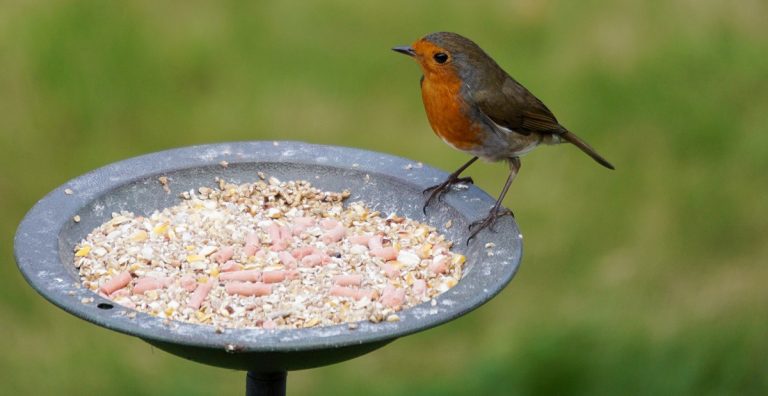
Bird seed mixes often contain grains, nuts, and dried fruits that are formulated for birds, not for rabbits. The nutritional composition of these seeds can differ significantly from what rabbits need for healthy digestion and overall wellness. Understanding the potential effects of consuming bird seed is crucial for anyone caring for domestic or wild rabbits.
Knowing which foods support a rabbit’s digestive system helps maintain their health and prevents common dietary problems. Considering whether can rabbits eat bird seed safely involves examining ingredients, nutritional content, and feeding practices.
Offering appropriate alternatives ensures rabbits receive a balanced diet while minimizing the risk of digestive upset or nutritional imbalances. Observing their behavior around bird feeders also provides insight into their preferences and habits.
Nutritional Content Of Bird Seed
Bird seed is designed to meet the dietary needs of various bird species, but its nutritional profile can differ significantly from what rabbits require. Understanding the composition of bird seed helps determine whether it can be safely offered to rabbits and what effects it may have on their health. Examining the individual components of seed mixes provides insight into potential benefits and risks.
Common Ingredients In Bird Seed
Bird seed often contains a variety of grains, nuts, and dried fruits. You may notice seeds such as sunflower, millet, safflower, and cracked corn, along with small amounts of dried berries or other plant material. These ingredients are high in calories, fats, and proteins, designed to support the energy needs of active birds.
For rabbits, the high fat and protein content can pose challenges. Their digestive systems are adapted to process high-fiber, low-calorie foods like hay and leafy greens, rather than calorie-dense seeds. While small amounts of some seeds may not cause immediate harm, regular consumption can lead to obesity, gastrointestinal upset, or nutrient imbalances over time. Understanding the ingredient breakdown is essential for assessing risk and determining safe feeding practices.
Macronutrient Composition
Bird seed is typically rich in carbohydrates, fats, and proteins to support bird metabolism. You may notice that sunflower seeds, for instance, are high in fat and moderate in protein, while millet and cracked corn provide more carbohydrates. These macronutrients provide energy for flight, reproduction, and daily activity in birds.
In contrast, rabbits require a diet primarily composed of fiber to maintain proper gut motility and prevent digestive disorders. High carbohydrate or fat content in bird seed can disrupt gut flora, slow digestion, and cause bloating or diarrhea. Protein levels in bird seed are also generally higher than what rabbits need, which can lead to kidney strain or long-term health issues if consumed regularly. Understanding these macronutrient differences highlights why bird seed is not an ideal staple for rabbits.
Micronutrients And Additives
Bird seed often contains vitamins, minerals, and sometimes additives such as preservatives or coatings to enhance shelf life. You may see mixtures enriched with calcium, iron, or other nutrients that support bird health. While these micronutrients are beneficial for birds, the balance is not tailored to rabbits, who require specific ratios for calcium, phosphorus, and other minerals.
Additives or flavored coatings can be particularly concerning, as artificial sweeteners, salts, or preservatives may irritate a rabbit’s digestive system or even be toxic in some cases. Evaluating the micronutrient content and potential additives is essential before offering bird seed to rabbits, ensuring their diet remains safe and appropriate.
Implications For Rabbit Feeding
Considering the macronutrient and micronutrient composition of bird seed, you may conclude that it is generally unsuitable for regular rabbit consumption. While an occasional nibble may not be immediately harmful, frequent feeding can lead to health issues such as obesity, digestive upset, or nutrient imbalances.
Providing a diet that prioritizes hay, leafy greens, and a limited portion of rabbit-safe pellets ensures optimal health. Understanding the nutritional limitations of bird seed helps caregivers make informed choices, allowing rabbits to explore their environment safely without compromising their dietary needs.
Risks Of Feeding Bird Seed To Rabbits
Feeding bird seed to rabbits can pose a range of health risks due to the significant differences between bird and rabbit dietary needs. Understanding these risks is essential for anyone caring for domestic or wild rabbits. Examining both the immediate and long-term effects of bird seed consumption helps prevent digestive issues, obesity, and nutrient imbalances.
Digestive Problems And Gastrointestinal Distress
One of the primary risks of feeding bird seed to rabbits is digestive disruption. You may notice that seeds are high in fats and proteins but low in fiber, which is essential for a rabbit’s gastrointestinal health. Rabbits rely on a high-fiber diet to maintain gut motility and support healthy cecal fermentation.
Consumption of bird seed can slow digestion, leading to bloating, gas, diarrhea, or constipation. High-fat content can disrupt the balance of gut bacteria, resulting in gastrointestinal upset. Even small amounts ingested regularly can create chronic digestive issues. Observing signs such as decreased appetite, lethargy, or abnormal droppings can indicate that bird seed has negatively impacted a rabbit’s digestive system.
Maintaining a proper diet focused on hay, leafy greens, and appropriate pellets is crucial to prevent these problems and support long-term digestive health.
Risk Of Obesity And Nutritional Imbalance
Bird seed is calorie-dense, designed to provide energy for active birds. You may notice seeds like sunflower, safflower, or corn are particularly high in fats and carbohydrates. While beneficial for birds, these macronutrients are excessive for rabbits, whose metabolism is adapted for high-fiber, low-calorie diets.
Regular consumption of bird seed can lead to rapid weight gain and obesity. Obesity in rabbits increases the risk of joint problems, cardiovascular strain, and reproductive complications. Nutritionally, bird seed lacks the balance required for rabbits, providing excessive protein and fat while offering insufficient fiber, vitamins, and minerals that are crucial for rabbit health.
Even occasional feeding of bird seed can create long-term dietary imbalances, affecting growth, energy levels, and overall well-being. Understanding the nutrient mismatch highlights why bird seed is unsuitable for routine rabbit feeding.
Choking Hazards And Physical Risks
Beyond digestive and nutritional concerns, bird seed poses a physical hazard for rabbits. You may notice that many seeds are small, hard, and coated in shells or husks. These can be difficult for rabbits to chew properly, increasing the risk of choking or dental injuries.
Birds have specialized beaks for cracking seeds, but rabbits’ teeth are adapted for grinding fibrous vegetation. Swallowing whole seeds or large pieces can lead to obstructions in the throat or intestines. Additionally, hard seeds may wear down teeth unevenly, contributing to dental problems such as malocclusion, which can interfere with proper eating and require veterinary intervention.
Careful attention to diet and avoiding foods with choking risks ensures the safety of rabbits, especially when considering unfamiliar items like bird seed.
Behavioral And Feeding Issues
Feeding bird seed may also encourage undesirable behaviors in rabbits. You may notice that they become selective or distracted, preferring high-calorie seeds over fiber-rich foods. This selective eating can reduce intake of essential hay and greens, further contributing to nutritional imbalances.
Over time, rabbits may develop preferences for sugary or fatty components in seed mixes, making it challenging to maintain a healthy diet. This behavioral shift can affect overall health, growth, and energy levels. Encouraging natural foraging behavior with safe, fibrous foods supports both physical and mental well-being while reducing reliance on inappropriate treats.
Long-Term Health Consequences
Chronic feeding of bird seed can have lasting impacts on rabbit health. You may notice that persistent consumption leads to obesity, gastrointestinal disorders, dental problems, and nutrient deficiencies. These conditions can shorten lifespan, reduce quality of life, and necessitate veterinary care.
Preventing exposure to bird seed, focusing on high-fiber diets, and monitoring food intake are essential for maintaining healthy, active rabbits. Understanding the multiple risks associated with feeding bird seed ensures that caregivers provide safe, balanced nutrition while minimizing potential harm.
Rabbit Species That May React Differently
Rabbits are a diverse group of animals with varying dietary needs, digestive capabilities, and feeding behaviors. Not all species respond to the same foods in the same way, including bird seed. Understanding how different rabbit species may react to bird seed is essential for providing safe and appropriate nutrition, whether caring for domestic rabbits or observing wild populations.
Domestic Rabbits
Domestic rabbits, such as the Holland Lop, Netherland Dwarf, and Rex breeds, are commonly kept as pets and rely on carefully controlled diets. You may notice that these rabbits have sensitive digestive systems, making them particularly vulnerable to high-fat, high-protein foods like bird seed. Even small amounts can cause gastrointestinal upset, including bloating, diarrhea, or slowed digestion.
Domestic rabbits also tend to develop preferences for palatable, calorie-dense foods. Offering bird seed can lead to selective eating, where rabbits prioritize seeds over hay or leafy greens, which are essential for proper fiber intake and gut health. Chronic consumption of bird seed can contribute to obesity, dental problems, and nutrient imbalances in domestic breeds.
Caregivers should focus on high-fiber diets with appropriate pellets, fresh vegetables, and unlimited hay. Any exposure to bird seed should be strictly limited and monitored to prevent adverse health effects. Understanding the reactions of domestic breeds ensures their long-term health and well-being.
Wild Cottontail Rabbits
Wild cottontail rabbits (Sylvilagus spp.) display different feeding behaviors and may occasionally encounter bird seed in gardens or feeding areas. You may notice that these rabbits are opportunistic feeders, nibbling on a variety of plants and seeds they come across in their environment.
Although cottontails may eat bird seed if available, their digestive systems are adapted for high-fiber vegetation, not calorie-rich seeds. Regular consumption of bird seed can lead to gastrointestinal disturbances or nutrient imbalances similar to domestic rabbits. However, occasional consumption may be less harmful due to their more varied natural diet and activity level, which can help process extra calories.
Cottontail rabbits are also highly cautious and may sample small amounts at a time. Observing their reactions can provide insight into how wild rabbits evaluate unfamiliar foods and manage dietary risks. Limiting access to bird feeders or providing alternative safe vegetation can protect wild populations from potential negative effects.
European Rabbits
European rabbits (Oryctolagus cuniculus) are highly social and often inhabit grasslands, farmland, or urban areas. You may notice that they can be more curious and bolder when exploring human environments, which can include gardens or areas with bird feeders.
European rabbits may occasionally consume bird seed, but like other rabbit species, their digestive systems are designed for fibrous plant matter. Overconsumption can result in obesity, digestive upset, or nutrient deficiencies. Their social behavior means that if one rabbit consumes bird seed, others may quickly follow, increasing the risk of health problems across a group.
Understanding European rabbits’ social feeding dynamics is important for anyone managing wild populations or domestic groups. Providing safe, fiber-rich alternatives reduces reliance on inappropriate human-provided foods, ensuring the health of both individual rabbits and larger colonies.
Species-Specific Sensitivities
Different rabbit species exhibit varying sensitivities to fat, protein, and carbohydrate intake. You may notice that smaller species, such as the Pygmy rabbit (Brachylagus idahoensis), have faster metabolisms and smaller digestive tracts, making them particularly susceptible to high-calorie foods like bird seed. Even minimal consumption can cause bloating, diarrhea, or nutrient imbalances.
Larger species, such as the Flemish Giant or European wild breeds, may tolerate slightly more calories due to greater body mass and activity levels, but the underlying risks remain. Over time, exposure to inappropriate foods can compromise gut health, dental structure, and overall well-being. Recognizing species-specific vulnerabilities allows caretakers to tailor diets appropriately, minimizing potential harm.
By considering these differences, rabbit owners and wildlife observers can ensure that dietary practices are suitable for each species’ unique digestive and metabolic needs.
Behavioral Responses To Bird Seed
Rabbits may also display different behavioral responses depending on the species. You may notice that domestic rabbits quickly develop preferences for bird seed if offered, potentially ignoring hay and vegetables. Wild rabbits, on the other hand, often sample seeds cautiously and in small amounts, balancing their diet with naturally available vegetation.
Behavioral tendencies influence how each species interacts with bird seed and how risky exposure may be. Some rabbits may overconsume due to palatability, while others may avoid seeds entirely. Observing these behavioral patterns helps determine safe feeding practices and assess potential risks.
Considering species-specific reactions, digestive capacity, and feeding behavior provides a comprehensive understanding of why bird seed may affect rabbits differently. Tailoring diets to these factors ensures optimal health and prevents avoidable complications in both domestic and wild populations.
Safe Alternatives To Bird Seed For Rabbits
Providing a healthy diet for rabbits is essential to maintain their digestive health, energy levels, and overall well-being. Bird seed is not suitable for rabbits due to its high fat and protein content, so offering safe alternatives is crucial. Understanding the best substitutes helps ensure rabbits receive proper nutrition while satisfying their natural foraging instincts.
Hay As A Primary Food Source
Hay should form the cornerstone of every rabbit’s diet. You may notice that fresh, high-quality hay such as timothy, orchard grass, or meadow hay provides essential fiber, which supports gut motility and prevents gastrointestinal problems. The fibrous texture also promotes dental health by naturally wearing down constantly growing teeth.
Unlimited access to hay allows rabbits to eat throughout the day, mimicking natural grazing behavior. Offering a variety of hay types can keep feeding interesting and encourage consistent consumption. Unlike bird seed, hay is low in fat and protein, making it ideal for maintaining healthy weight and supporting proper digestion. Observing rabbits enjoying hay helps confirm that they are receiving adequate nutrition.
Incorporating hay into both free-feeding and pellet-based diets ensures rabbits meet their fiber requirements, reducing the risk of digestive disorders and behavioral problems related to hunger or boredom.
Fresh Leafy Greens And Vegetables
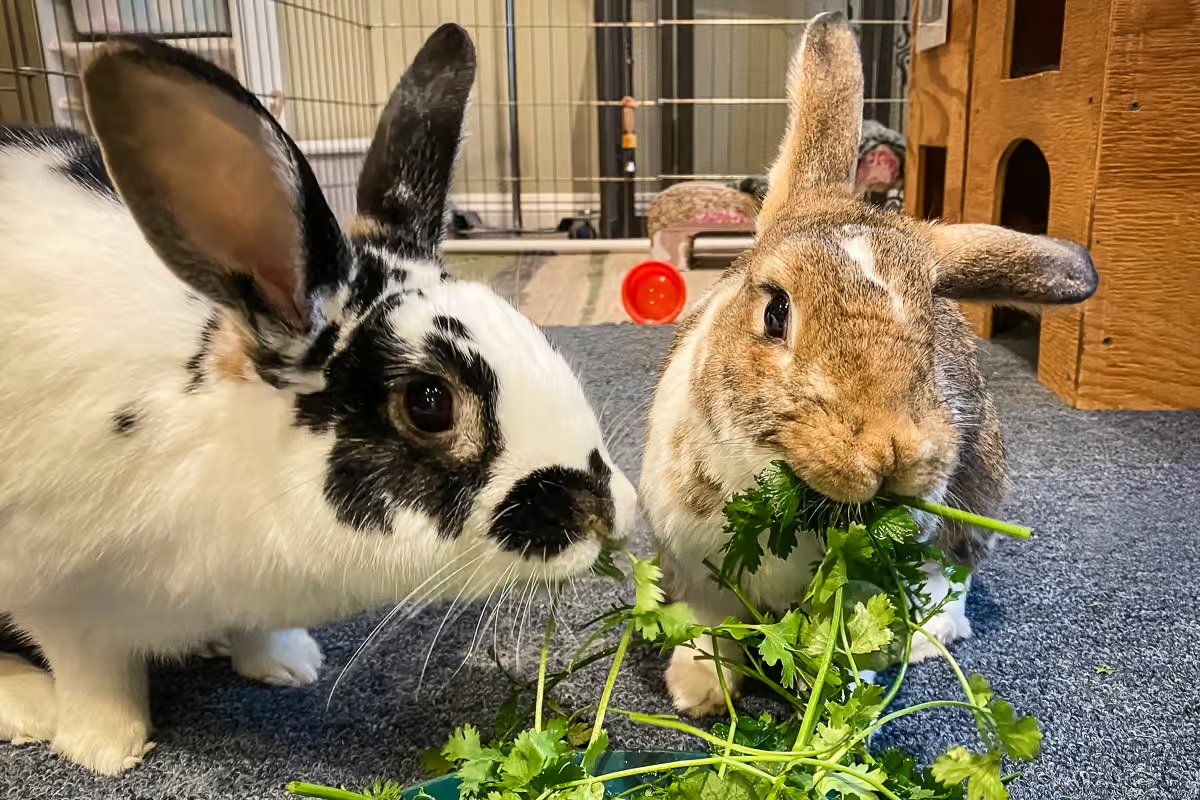
Fresh leafy greens and vegetables provide another safe alternative to bird seed. You may notice that rabbits enjoy a variety of greens such as romaine lettuce, kale, parsley, cilantro, and dandelion leaves. These foods are low in calories, high in fiber, and rich in vitamins and minerals necessary for healthy growth and immune function.
Vegetables like bell peppers, carrots (in moderation), and zucchini can be offered daily to provide additional nutrients and keep meals varied. Introducing new vegetables gradually helps prevent digestive upset and allows rabbits to adjust to different flavors and textures.
Leafy greens also encourage natural foraging behavior, keeping rabbits mentally stimulated. Combining greens with hay ensures a balanced diet that meets both fiber and nutrient requirements, eliminating the need for high-fat, calorie-dense foods like bird seed.
Pellets Formulated For Rabbits
High-quality rabbit pellets are another safe alternative that can complement hay and fresh vegetables. You may notice that these pellets are specifically designed to meet the nutritional needs of rabbits, with balanced protein, fiber, and essential vitamins and minerals.
Unlike bird seed, rabbit pellets are low in fat and high in fiber, supporting healthy digestion and long-term health. They are also convenient for portion control, allowing caregivers to monitor caloric intake and prevent obesity. Choosing pellets made from natural ingredients without added sugars, seeds, or artificial additives ensures that rabbits receive wholesome nutrition.
Pellets can be offered in small amounts daily alongside hay and vegetables. This combination provides a complete diet that meets all dietary requirements while avoiding the risks associated with inappropriate foods like bird seed.
Safe Treats And Foraging Alternatives
For treats, you may use fruits and vegetables in moderation instead of bird seed. Safe options include apple slices (without seeds), blueberries, strawberries, and small amounts of banana. These treats satisfy a rabbit’s curiosity and desire for sweet flavors while remaining low in fat and appropriate in sugar content.
Foraging toys or hay-based treat dispensers can simulate natural feeding behavior and prevent boredom. Offering chopped vegetables or pellet-stuffed toys encourages mental stimulation, exercise, and healthy feeding habits. This approach allows rabbits to explore and interact with their food safely, reducing the temptation to consume inappropriate items such as bird seed.
By focusing on fiber-rich, low-fat alternatives and safe treats, caregivers can provide a balanced diet that supports both physical health and mental enrichment, ensuring rabbits thrive in domestic or controlled environments.
Seasonal And Nutritional Considerations
Dietary needs may vary depending on the rabbit’s age, size, and season. You may notice that growing or pregnant rabbits require higher levels of calcium and protein, while adults benefit from a steady supply of hay and moderate vegetable intake. Adjusting the balance of hay, pellets, and fresh vegetables ensures nutritional needs are met year-round.
Monitoring food intake, observing droppings, and assessing body condition are key to maintaining health. By providing safe alternatives instead of bird seed, caregivers reduce the risk of digestive upset, obesity, and nutrient imbalances, promoting a long and healthy life for their rabbits.
Symptoms Of Eating Unsafe Bird Seed
Bird seed is not suitable for rabbits due to its high fat, protein, and carbohydrate content. When rabbits consume bird seed, it can lead to a variety of health issues. Recognizing the symptoms of eating unsafe bird seed is crucial for caregivers to take timely action and prevent serious digestive, metabolic, and behavioral complications.
Digestive Disturbances
One of the most immediate effects of consuming bird seed is digestive upset. You may notice that rabbits develop diarrhea, soft stools, or bloating shortly after eating seeds. Bird seed is low in fiber and high in fat and protein, which can disrupt the delicate balance of gut flora in rabbits.
Rabbits rely on fiber to maintain proper gut motility and fermentation in the cecum. High-fat, low-fiber foods like bird seed slow digestion, allowing harmful bacteria to multiply, which may result in gas, discomfort, and abdominal pain. Rabbits may also show signs of reduced appetite, lethargy, or abnormal fecal output. Promptly identifying these symptoms allows caregivers to remove harmful foods and provide supportive care to restore normal gut function.
Obesity And Weight Gain
Regular consumption of bird seed can lead to rapid weight gain and obesity in rabbits. You may notice that rabbits begin to appear rounder, have difficulty moving, or show reduced activity levels. High-calorie seeds such as sunflower and safflower seeds contribute excess energy that rabbits are not equipped to burn efficiently.
Obesity in rabbits increases the risk of additional health problems, including heart strain, arthritis, and reproductive issues. Even short-term exposure to calorie-dense foods can disrupt weight management, particularly in smaller breeds or less active individuals. Monitoring body condition and avoiding high-calorie foods like bird seed is essential to maintain healthy weight and prevent long-term metabolic complications.
Dental And Oral Issues
Eating hard seeds can cause dental problems in rabbits. You may notice signs such as reluctance to eat, drooling, or uneven tooth wear. Bird seeds are often hard and require different chewing mechanisms than the fibrous plants rabbits are adapted to process.
Improper chewing of seeds can lead to malocclusion, overgrowth of teeth, or jaw misalignment. Dental issues can further exacerbate feeding problems, causing pain and difficulty consuming appropriate foods. Observing early signs of dental distress allows caregivers to intervene with veterinary care and corrective measures before complications become severe.
Behavioral Changes
Bird seed consumption can also lead to behavioral changes. You may notice that rabbits become more selective in their eating, favoring seeds over hay or vegetables. This selective eating can reduce fiber intake, contributing to digestive issues and nutrient deficiencies.
Rabbits may also show signs of discomfort, restlessness, or decreased grooming habits if they experience gastrointestinal upset or dental pain from eating seeds. Behavioral changes serve as an early warning system for dietary problems, indicating the need for a prompt review of food choices and adjustments to a safe, fiber-rich diet.
Long-Term Health Risks
Long-term ingestion of bird seed can result in chronic health problems such as persistent gastrointestinal issues, obesity, and nutritional imbalances. You may notice reduced energy, stunted growth in young rabbits, or recurrent digestive problems in adults.
The combination of high fat, high protein, and low fiber in bird seed is incompatible with a rabbit’s natural diet. Chronic exposure weakens the immune system, increases susceptibility to illness, and can shorten lifespan. Early recognition of symptoms allows caregivers to eliminate unsafe foods, provide supportive care, and ensure that rabbits receive a balanced diet suitable for their digestive system.
FAQs
Can Rabbits Eat Bird Seed?
No, rabbits should generally avoid eating bird seed. Bird seed mixes often contain high-fat seeds like sunflower or safflower, which are difficult for a rabbit’s digestive system to process. Regular consumption can lead to obesity, diarrhea, and other health problems.
If a rabbit accidentally eats a few seeds, it may not cause immediate harm, but repeated ingestion can disrupt gut health. You should always provide rabbit-safe foods like hay, fresh vegetables, and specially formulated pellets to maintain a balanced diet and avoid potential digestive issues.
Are Some Bird Seeds Safer For Rabbits Than Others?
Some seeds, like plain oats or unsalted grains, are less harmful in very small amounts. However, most bird seed mixes contain high-fat or processed seeds that are unsafe for rabbits.
Even “safer” seeds should only be considered occasional treats, not staples. Your rabbit’s primary diet must consist of hay, fresh greens, and pellets. Introducing seeds should be done sparingly and under observation to ensure they do not cause digestive upset or overeating issues.
What Happens If A Rabbit Eats Bird Seed Regularly?
Regular consumption of bird seed can cause serious health problems for rabbits. High fat and low fiber in seeds can lead to obesity, gastrointestinal stasis, and poor nutrient absorption.
Other issues include diarrhea, bloating, and behavioral changes due to unbalanced nutrition. Rabbits rely on a high-fiber diet to keep their digestive system functioning properly, so replacing their hay or pellets with bird seed can have long-term negative effects. Always monitor your rabbit’s health if it accidentally eats seeds.
Can Wild Rabbits Eat Bird Seed Safely?
Wild rabbits may nibble on bird seed occasionally, but it is not ideal for their health. Seeds can be high in fat and may disrupt their natural diet, which is rich in grasses and leafy vegetation.
While occasional consumption might not be fatal, repeated feeding by humans can make wild rabbits dependent on unsafe foods and lead to digestive issues. Providing natural forage or rabbit-safe vegetables is a safer way to supplement their diet in outdoor environments.
Are There Any Safe Treat Alternatives To Bird Seed For Rabbits?
Yes, there are many safe alternatives. Fresh leafy greens, small amounts of fruit, and rabbit-safe pellets can replace bird seed as treats. Herbs like parsley, cilantro, and basil are also excellent options.
These alternatives provide essential nutrients without the risks associated with high-fat seeds. Offering a variety of safe treats keeps your rabbit engaged and healthy while preventing digestive problems. Treats should always be given in moderation alongside a fiber-rich hay diet.
How Can You Prevent Rabbits From Eating Bird Seed?
To prevent your rabbit from eating bird seed, store seeds in sealed containers out of reach. Feed birds in separate areas where the rabbit cannot access fallen seeds.
You can also provide your rabbit with a designated feeding zone filled with hay, fresh greens, and safe pellets to reduce temptation. Training and supervision are key, especially for free-roaming rabbits. By managing feeding spaces effectively, you can ensure your rabbit maintains a healthy diet without the risks of bird seed consumption.
Conclusion
Rabbits have unique dietary requirements that prioritize high fiber, low fat, and balanced nutrition. While their curiosity may lead them to nibble on bird seed, the risks associated with its consumption are significant. Understanding the potential dangers helps ensure rabbits remain healthy and free from digestive or metabolic issues.
Considering whether can rabbits eat bird seed, it becomes clear that these seeds are not suitable for regular consumption. High-fat and high-protein content, combined with low fiber, can cause digestive upset, obesity, and dental problems. Observing rabbits’ behavior and physical condition is essential for identifying early signs of dietary issues.
Providing safe alternatives such as hay, fresh leafy greens, and species-appropriate pellets ensures proper nutrition while satisfying natural foraging instincts. By avoiding bird seed and focusing on safe dietary options, caregivers can promote long-term health, maintain proper digestion, and support the overall well-being of their rabbits.