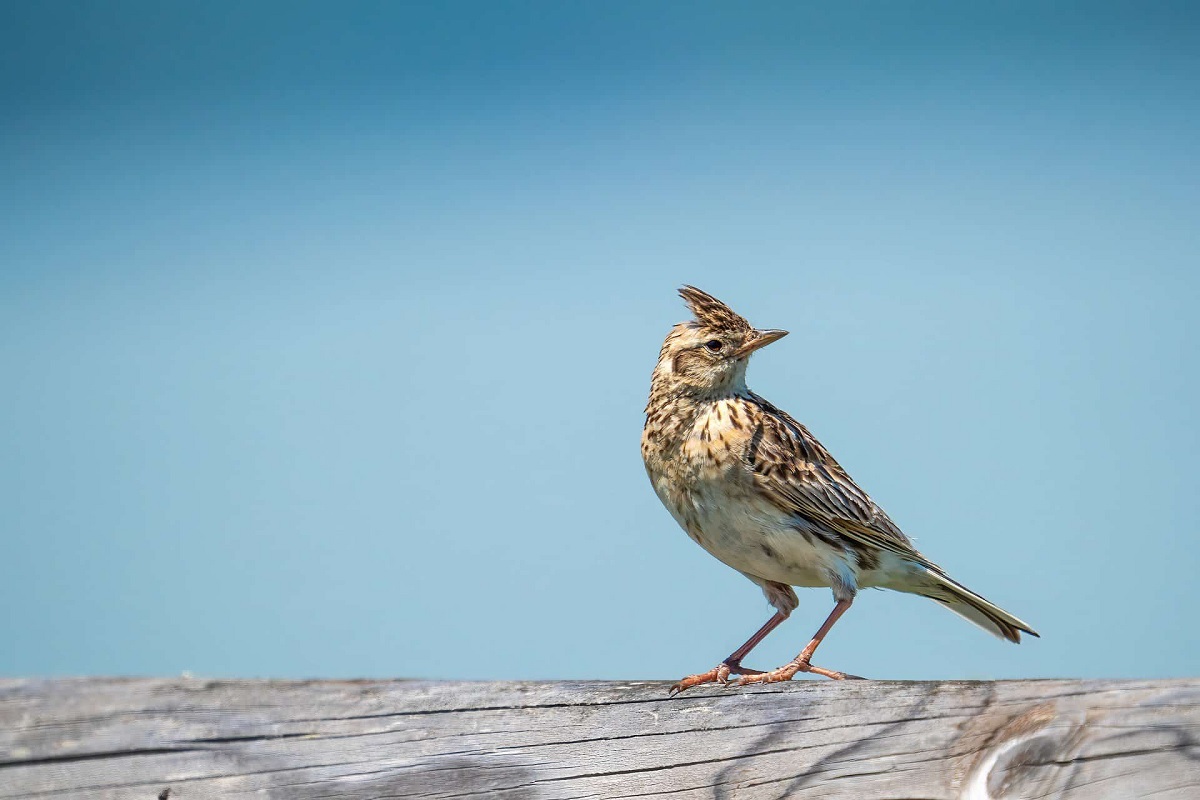
Are Birds Terrestrial Animals: Exploring How Birds Live On Land And Air
Birds are some of the most diverse and fascinating creatures on Earth, displaying a wide range of behaviors, habitats, and adaptations. Among the many questions about their lifestyle, one common query is whether birds are terrestrial animals. Understanding how birds interact with their environments helps clarify their ecological role and behavior patterns.
While birds are known primarily for their ability to fly, many species spend significant portions of their lives on the ground. Ground-dwelling birds forage, nest, and even escape predators through terrestrial movement. Their legs and feet are often specially adapted for walking, running, or digging, supporting these activities.
Exploring whether birds are terrestrial animals involves examining the variety of species, their physical adaptations, and their daily habits. From flightless birds like ostriches to songbirds that hop along forest floors, the answer varies depending on species and lifestyle.
Recognizing the terrestrial aspects of bird behavior offers insight into their survival strategies, ecological contributions, and the way humans can observe or interact with them in natural habitats.
Terrestrial Behavior in Birds
Although birds are commonly associated with flight, many species exhibit significant terrestrial behaviors. These behaviors involve walking, running, or foraging on the ground and are crucial for survival. Understanding terrestrial behavior in birds provides insight into their feeding strategies, nesting habits, and ecological roles.
Ground Foraging and Feeding
Many birds spend a considerable amount of time on the ground searching for food. Species such as sparrows, robins, pigeons, and quail rely on terrestrial foraging to find seeds, insects, worms, and other edible items. Ground foraging allows birds to exploit food sources that are not accessible in the air or on tree branches.
These birds have developed adaptations to support terrestrial feeding. Strong legs and specialized feet help them scratch, dig, or hop efficiently while searching for food. For example, thrushes use their feet to stir leaf litter to uncover insects, while quail scratch soil to expose seeds. This behavior also plays an important role in the ecosystem, as birds help control insect populations and disperse seeds while foraging on the ground.
Nesting and Ground-Dwelling Species
Some birds primarily live on or near the ground, making terrestrial behavior a central aspect of their lifestyle. Species like ostriches, emus, penguins, and certain ducks build nests on the ground rather than in trees or elevated locations. These ground-nesting habits are adaptations to their environment and lifestyle.
Ground-nesting birds often have camouflage plumage to protect them from predators. Their nesting behavior includes careful selection of hidden or well-covered areas, using grasses, leaves, or other natural materials to construct nests. Understanding these behaviors highlights how terrestrial habits are not just incidental but essential for reproduction, survival, and the successful raising of offspring.
Running and Terrestrial Locomotion
Flightless birds and certain species that primarily move on the ground have evolved strong legs for running and efficient terrestrial locomotion. Ostriches, rheas, and cassowaries are prime examples of birds that rely on their powerful legs to cover large distances quickly, evade predators, and search for food.
These birds exhibit remarkable adaptations, including muscular legs, specialized tendons, and large feet, allowing them to move swiftly on open terrain. Even birds that can fly often use running as a quick escape mechanism when predators approach. Understanding the mechanics and purpose of terrestrial locomotion provides insight into the diversity of bird movement strategies beyond flight.
Interaction With the Environment
Terrestrial birds also interact with their environment in unique ways. For example, some species dig burrows for shelter, nest in crevices, or use the ground to bathe and dust themselves. These behaviors contribute to hygiene, thermoregulation, and social interactions among birds.
Additionally, ground-dwelling birds often play a vital ecological role. By foraging on the ground, they help aerate soil, disperse seeds, and control insect populations. Their terrestrial behavior demonstrates a complex balance between survival strategies, environmental adaptation, and ecological contributions.
Adaptations Supporting Terrestrial Behavior
Birds that frequently spend time on the ground have specific anatomical and behavioral adaptations. Strong legs, claws for digging or scratching, and keen eyesight for spotting predators are common features. Behavioral adaptations include cautious movement, group vigilance, and strategic nesting locations.
By observing these adaptations, it becomes clear that terrestrial behavior is not secondary but a fundamental aspect of survival for many bird species. Birds use a combination of physical traits and learned behaviors to thrive on the ground, complementing their abilities in flight and ensuring overall ecological success.
Birds That Are Partially Terrestrial
While many birds are primarily aerial, a significant number exhibit partially terrestrial behaviors. These birds split their time between ground activities and flight, combining terrestrial foraging, nesting, and locomotion with aerial movement. Understanding partially terrestrial birds provides insight into their adaptive strategies, ecological roles, and unique behaviors that bridge both environments.
Songbirds and Ground Foraging
Many songbirds, including sparrows, robins, thrushes, and finches, are excellent examples of partially terrestrial birds. While they can fly effectively, they spend a large portion of their day foraging on the ground for seeds, insects, and worms. This dual behavior allows them to exploit both arboreal and terrestrial food sources efficiently.
Ground foraging in these birds often involves hopping, scratching leaf litter, or probing soil for insects. At the same time, their ability to fly provides a quick escape from predators and access to safer perches or nesting sites. This combination of behaviors enhances survival by expanding feeding opportunities while minimizing risks. Observing these birds highlights how partial terrestriality supports ecological versatility and resource utilization.
Waterfowl and Shorebirds
Waterfowl such as ducks, geese, and swans, along with shorebirds like sandpipers and plovers, exhibit partially terrestrial habits. While capable of flight, they spend extensive time on land and in shallow water for feeding, nesting, and resting. These birds forage on grasses, seeds, insects, and small aquatic creatures.
Their partially terrestrial behavior is crucial for survival. Nesting often occurs on the ground near water, offering protection and food accessibility. Their strong legs and webbed feet facilitate movement both on land and in water, enabling efficient foraging and predator evasion. These adaptations highlight the balance between terrestrial activity and flight-based mobility, allowing them to thrive in diverse habitats.
Galliformes and Ground-Dwelling Adaptations
Galliformes, including quail, pheasants, and grouse, are partially terrestrial birds that spend most of their time on the ground for foraging and nesting but can fly short distances when threatened. Their diets typically include seeds, insects, and small invertebrates found on or near the soil surface.
These birds possess strong legs for scratching and running, aiding in locating food and escaping predators. Flight is often used as a last resort to reach nearby cover. Nesting on the ground with camouflaged plumage ensures protection from predators. The partially terrestrial lifestyle of Galliformes demonstrates the advantages of combining terrestrial mobility with limited flight for survival and reproduction.
Raptors With Terrestrial Hunting Behavior
Some raptors, including certain hawks and harriers, exhibit partially terrestrial habits, particularly during hunting. While they primarily use flight to survey areas and capture prey, these birds often land to chase or capture small mammals, reptiles, or insects on the ground.
Partially terrestrial hunting requires strong legs, sharp talons, and precise coordination. Raptors balance aerial surveillance with ground-based hunting, enhancing their efficiency and prey options. Their adaptive behavior reflects a complex interaction between aerial agility and terrestrial maneuverability, demonstrating that partially terrestrial habits are not limited to non-predatory species.
Urban Birds and Adapted Terrestrial Behavior
Many urban-adapted birds, such as pigeons, crows, and starlings, display partially terrestrial tendencies. These species forage extensively on the ground for discarded human food, seeds, and insects but retain strong flight capabilities for travel, roosting, and predator avoidance.
In urban environments, ground foraging provides access to abundant resources, while flight ensures safety and mobility across large territories. Behavioral flexibility allows these birds to thrive in human-dominated landscapes, illustrating the advantages of partial terrestriality in dynamic and unpredictable habitats. Their ability to switch seamlessly between terrestrial and aerial behaviors is key to their survival in cities.
Behavioral and Ecological Advantages
Partially terrestrial birds benefit from a combination of behaviors that maximize survival and ecological success. Ground foraging expands dietary options, while flight ensures predator avoidance and access to diverse habitats. Nesting on the ground or low vegetation provides protection and easy access to food sources.
These birds often exhibit heightened awareness and vigilance, balancing terrestrial risks with aerial escape strategies. Their dual lifestyle contributes to seed dispersal, pest control, and ecosystem maintenance. Observing partially terrestrial birds reveals the intricate balance between mobility, foraging efficiency, and environmental adaptation.
Anatomical Adaptations Supporting Partial Terrestriality
Partially terrestrial birds display a range of anatomical adaptations that facilitate both ground and aerial activities. Strong legs, flexible feet, and claw adaptations aid in walking, scratching, and running. Wing strength and lightweight skeletal structures allow for rapid flight when needed.
These adaptations enable birds to exploit multiple habitats effectively. For example, their legs support extended terrestrial foraging, while wings provide escape and aerial hunting capabilities. The combination of traits reflects evolutionary optimization for a lifestyle that incorporates both terrestrial and aerial elements.
Social and Foraging Dynamics
Many partially terrestrial birds exhibit social behaviors that enhance ground foraging efficiency. Flocking can reduce predation risks, improve food detection, and support cooperative behaviors such as mobbing predators.
On the ground, these birds may forage in groups or pairs, coordinating movements to maximize food intake and maintain safety. Their ability to switch between terrestrial and aerial strategies enhances survival, highlighting the importance of behavioral flexibility in diverse habitats.
Conservation Implications
Understanding the partially terrestrial nature of many birds is crucial for conservation efforts. Habitat preservation must account for both ground-level resources, such as seeds and insects, and flight corridors for safe movement and escape.
Protecting nesting sites, foraging grounds, and access to water sources ensures that these birds can maintain their dual lifestyle. Conservation strategies that incorporate both terrestrial and aerial habitat requirements support the health, reproduction, and long-term survival of partially terrestrial bird species.
Physical Adaptations for Terrestrial Life
Birds that spend substantial time on the ground have evolved specific physical adaptations to thrive in terrestrial environments. These adaptations allow them to forage efficiently, escape predators, and navigate diverse habitats. From leg strength to beak structure, these traits highlight the evolutionary balance between ground mobility and survival needs.
Strong Legs and Feet
One of the most significant adaptations for terrestrial life in birds is the development of strong legs and feet. Ground-dwelling birds like quail, pheasants, and ostriches rely on muscular legs to walk, run, and scratch for food. These legs provide stability, speed, and leverage, enabling birds to cover large distances while foraging or escaping threats.
The structure of their feet often reflects their lifestyle. Birds that scratch or dig have well-developed claws for moving soil, uncovering insects, and gathering seeds. Running birds, such as ostriches and emus, possess long, powerful legs that allow them to sprint at remarkable speeds. These physical traits ensure that terrestrial birds can efficiently exploit ground resources while maintaining safety in predator-rich environments.
Beak and Feeding Adaptations
Terrestrial birds also exhibit specialized beak adaptations for ground feeding. Birds that forage on seeds, insects, or soil-dwelling invertebrates often have short, sturdy beaks capable of cracking shells, probing soil, or picking up small prey.
For example, sparrows and finches have conical beaks ideal for handling seeds, while thrushes possess slightly longer, pointed beaks for digging through leaf litter to locate insects. The versatility of these beaks allows terrestrial birds to exploit a wide range of food sources, enhancing survival in habitats where aerial feeding alone would be insufficient. These adaptations demonstrate the link between feeding strategies and physical structure.
Camouflage and Plumage
Ground-dwelling birds often rely on plumage that provides camouflage, blending with their surroundings to avoid predators. Colors and patterns mimic the environment, from forest leaf litter to grasslands, allowing birds to remain inconspicuous while foraging or nesting.
For example, quail and pheasants have mottled brown feathers that resemble soil and vegetation, making them difficult for predators to spot. Camouflage is a critical adaptation for survival, especially for species that nest on the ground. Coupled with cautious behavior and alertness, this physical trait reduces predation risk and improves reproductive success in terrestrial habitats.
Wing and Flight Modifications
While many terrestrial birds retain the ability to fly, some species have wings adapted for short bursts of flight rather than long-distance travel. Flightless birds like ostriches have small wings that serve limited purposes, such as balance, mating displays, or minor adjustments in running.
Even partially terrestrial birds maintain wing adaptations that complement ground behavior. Short, strong wings allow for rapid takeoff when escaping danger, while elongated wings in other species assist in covering moderate distances between feeding and nesting areas. These wing modifications reflect the balance between terrestrial lifestyle and the evolutionary advantage of flight.
Sensory Adaptations
Terrestrial life also demands enhanced sensory adaptations. Birds that spend time on the ground often develop keen eyesight and hearing to detect predators, prey, or competitors in complex environments. Sharp vision aids in spotting movement from a distance, while acute hearing detects subtle sounds of insects or approaching threats.
Additionally, some birds have tactile adaptations in their beaks or feet that assist in detecting food beneath soil or leaf litter. These sensory traits improve foraging efficiency and overall survival, emphasizing how terrestrial adaptation extends beyond physical strength to include specialized perception and environmental awareness.
Balance and Posture
Maintaining balance is critical for birds navigating uneven terrain. Terrestrial species have strong core muscles, flexible joints, and foot structures that allow stability while walking, running, or foraging.
For example, ostriches and emus possess long legs with specialized tendons and ligaments that absorb impact while running at high speeds. Smaller birds use rapid hopping, short steps, and low center-of-gravity postures to maintain stability while foraging. These adaptations collectively ensure that terrestrial birds can move efficiently, conserve energy, and react quickly to environmental challenges.
Behavioral Complement to Physical Traits
Physical adaptations for terrestrial life often work in concert with behavioral strategies. Birds that are cautious, vigilant, and cooperative in flocks utilize their physical traits more effectively. Strong legs, camouflaged plumage, and sharp senses are complemented by careful movement, foraging strategies, and predator avoidance tactics.
This combination of anatomy and behavior enables terrestrial birds to exploit ground resources while minimizing risks. Observing these adaptations underscores how evolutionary pressures shape not only appearance and structure but also the lifestyle and ecological success of ground-dwelling and partially terrestrial bird species.
FAQs
Are Birds Terrestrial Animals?
Birds are not fully terrestrial animals, as most are adapted for both land and air. While they spend time on the ground for feeding, nesting, or walking, their primary adaptations are for flight. Birds have wings, hollow bones, and other features that make them efficient in the air. However, some species, like ostriches and penguins, are more terrestrial or aquatic, spending significant time on land or in water rather than flying. Understanding their lifestyle helps you see that birds cannot be classified strictly as terrestrial.
Which Birds Are Considered Terrestrial?
Certain birds are primarily terrestrial, meaning they spend most of their life on the ground. Examples include ostriches, emus, quails, and chickens. These birds have strong legs for running and walking, often have reduced flying ability, and may rely on camouflage or speed to escape predators. If you observe these birds, you will notice their behavior is different from most flying birds. They forage on the ground, nest in burrows or open areas, and their anatomy supports a terrestrial lifestyle rather than aerial movement.
How Do Terrestrial Birds Differ From Other Birds?
Terrestrial birds differ from other birds mainly in movement and feeding habits. Unlike flying birds, they rely on walking or running, so their legs are stronger and sometimes longer. Their wings may be shorter or less functional for sustained flight. They tend to forage on the ground, eating seeds, insects, or small animals. If you study their behavior, you will notice they spend more time searching for food or nesting on the land compared to birds that migrate or spend most of their time in trees.
Can Birds Live Exclusively on Land?
Few birds can live exclusively on land. Most birds require access to trees, water, or air for feeding and survival. Birds like ostriches, emus, and certain ground-dwelling species spend the majority of their time on land and rarely fly. If you watch them in the wild, they depend on running to escape predators rather than flying. Even so, fully terrestrial birds are exceptions, as most species still need some ability to fly or swim for survival, reproduction, and migration.
What Adaptations Help Birds Live on Land?
Birds that spend a lot of time on land have unique adaptations. Strong legs allow them to walk, run, or scratch for food efficiently. Some have reduced wing size to conserve energy and avoid obstacles while moving on the ground. Camouflage plumage protects them from predators. If you observe terrestrial birds, you will notice their beaks and feet are adapted for ground feeding, digging, or catching prey rather than hunting in the air. These adaptations make their terrestrial life easier and safer.
Are All Birds Equally Terrestrial?
Not all birds are equally terrestrial. Some species, like sparrows and pigeons, split their time between land and trees, while others, like penguins, are mostly aquatic but come to land to breed. If you try to classify birds simply as terrestrial or non-terrestrial, you will find a spectrum. Each species has evolved according to its environment, so while some are highly adapted to life on land, others are only occasionally grounded.
Why Do Some Birds Prefer Terrestrial Habitats?
Birds prefer terrestrial habitats for feeding, nesting, or protection. Open fields, forests, and grasslands provide abundant food sources such as seeds, insects, and small animals. Nesting on the ground or in burrows can protect eggs and chicks from aerial predators. If you observe these birds, you will see they have evolved strategies to survive on land, including camouflage, group behavior, and running speed. Their preference is not random but an adaptation to maximize survival in their specific environments.
Conclusion
Understanding the lifestyles of birds reveals a fascinating diversity in how they interact with their environments. While many birds spend a significant portion of their time in the air or in trees, some species have evolved to thrive on land. Observing their behavior, feeding patterns, and physical adaptations helps clarify the extent to which certain birds can be considered terrestrial.
When exploring the question of keywordare birds terrestrial animals, it becomes clear that only some birds, such as ostriches, penguins, and certain ground-dwelling species, fit this description. These birds have specialized features like strong legs for walking or running and limited flying abilities, allowing them to survive and reproduce successfully on the ground.
In conclusion, the study of bird behavior and anatomy highlights that while the majority of birds are adapted for flight, a notable subset has fully embraced terrestrial life. Answering keywordare birds terrestrial animals requires recognizing this diversity and appreciating the unique adaptations that make ground-dwelling birds remarkable.