How To Stop Birds From Destroying Window Screens: Effective Tips That Work
Birds can be a delightful presence around your home, filling the air with song and activity. However, their curiosity and natural behaviors sometimes lead to unintended damage, especially to window screens. Watching your carefully installed screens fray or tear can be frustrating and costly.
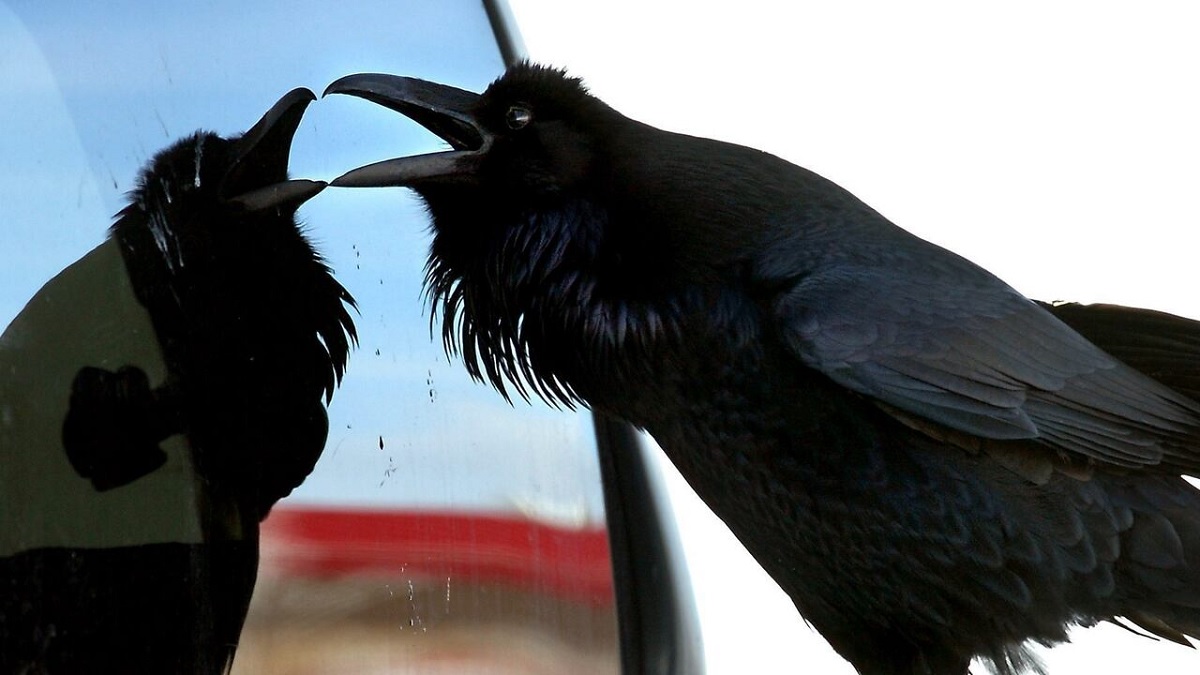
Understanding how to stop birds from destroying window screens involves recognizing why birds target them in the first place. Many birds are attracted to reflections, plants near windows, or simply enjoy pecking and exploring new textures. These instincts, while natural, can result in repeated damage over time.
Taking proactive steps can protect both your property and the birds themselves. By using physical barriers, deterrents, and strategic placement, you can create a safer environment for your home without harming wildlife.
How To Stop Birds From Destroying Window Screens With Physical Barriers
Protecting your windows from bird damage often starts with physical barriers. These solutions provide a straightforward, non-harmful way to prevent birds from reaching and tearing screens. By installing effective barriers, you can maintain the appearance and functionality of your windows while keeping birds safe. Understanding the types of physical barriers and how to use them properly is key to long-term protection.
Installing Window Guards And Mesh
One of the most reliable methods for preventing damage is using window guards or metal mesh. These structures create a protective layer in front of your screens, preventing birds from pecking, landing, or flying directly into the glass. Mesh comes in various materials, including stainless steel, aluminum, and durable plastic, each offering different levels of strength and visibility.
Installation is relatively simple. You can attach the mesh outside the window frame using brackets, screws, or adhesive hooks, ensuring it stays taut and secure. The small gaps in the mesh prevent birds from reaching the screen but remain unobtrusive, allowing airflow and visibility. For larger windows, multiple sections can be connected to cover the entire surface evenly.
Window guards also serve as a visual deterrent. Birds tend to avoid obstacles they cannot land on safely. Once installed, the mesh reduces repetitive attacks and prevents costly screen replacements, making it an effective long-term solution for both small and large bird species.
Using Netting Around Windows
Netting provides another effective physical barrier. Lightweight yet sturdy, bird netting can be draped or framed around windows to block access. It is especially useful for areas where birds tend to congregate, such as near gardens, fruit trees, or feeders. The soft mesh minimizes harm, ensuring birds do not get trapped or injured.
Netting is versatile and customizable. You can create a frame with PVC pipes, wooden slats, or metal rods to hold the netting away from the screen. This setup keeps birds from reaching the window while maintaining an open, airy feel. Small mesh sizes, typically less than one inch, are ideal for preventing smaller birds from squeezing through.
Regular maintenance is important. Check the netting for gaps, tears, or sagging areas to ensure ongoing protection. Netting also works well in combination with other deterrents, such as reflective tape or visual scare devices, increasing overall effectiveness in keeping birds away from your window screens.
Installing Window Spikes And Prongs
Window spikes or prongs provide a targeted solution for birds that attempt to perch near windows. These barriers are designed to make landing uncomfortable without causing injury. Often made of stainless steel or plastic, spikes can be installed along window sills, ledges, or frames to block access.
The installation process is straightforward. Most spikes come in modular strips that can be cut to fit the size of your window ledges. Adhesive or screws hold the strips securely in place. Birds typically avoid areas with spikes because they cannot safely land or maintain balance, reducing repeated pecking or scratching on screens.
Window spikes are particularly useful for urban areas where pigeons and sparrows are common. Unlike nets or guards, they do not obstruct airflow or views, making them a discreet option. While they do not prevent all bird activity, combining spikes with other barriers strengthens overall protection and preserves the integrity of your window screens.
Using Screen Protectors And Acrylic Covers
Screen protectors and acrylic covers provide a final line of defense against damage. These transparent barriers attach directly to your window screens or frames, absorbing pecks and scratches. They are particularly helpful for windows that receive frequent bird activity due to reflections or nearby feeders.
Protectors can be cut to fit any screen size and are typically lightweight and weather-resistant. Acrylic or polycarbonate sheets offer durability without obstructing visibility, while adhesive or clip-on options allow easy installation and removal. These covers shield the underlying screen while maintaining ventilation and natural light.
For high-traffic windows, consider combining a screen protector with netting or mesh. This layered approach prevents birds from causing significant damage, allowing you to enjoy clear views without constant repair or replacement. Regular inspection ensures the covers remain secure and effective over time.
By using physical barriers like mesh, netting, spikes, and screen protectors, you can effectively safeguard your windows. These solutions combine durability, safety, and practicality, creating a bird-friendly yet damage-free environment around your home.
How To Stop Birds From Destroying Window Screens Using Visual Deterrents
Visual deterrents are a non-invasive way to prevent birds from damaging your window screens. By creating the illusion of danger or an obstacle, these tools discourage birds from approaching or landing near your windows. Understanding how to use these deterrents effectively can help you maintain intact screens while keeping birds safe and unharmed.
Using Reflective Tape And Decals
Reflective tape and window decals are highly effective visual deterrents. Birds perceive the reflections and movement as potential threats, causing them to avoid the area. Reflective tape moves with the wind, creating flashes of light that are disorienting to birds, while decals provide static visual warnings.
Installation is simple and flexible. You can place strips of reflective tape across the top or middle of windows, spacing them a few inches apart to create a consistent visual barrier. Decals featuring shapes like hawks, owls, or geometric patterns can be applied directly to the glass. Changing the position of decals periodically enhances their effectiveness, as birds may eventually recognize stationary images as harmless.
Reflective tape and decals are lightweight, inexpensive, and require minimal maintenance. They also allow sunlight to pass through, preserving natural light indoors. Over time, these visual cues can significantly reduce the frequency of bird collisions and pecking, protecting your window screens without harming wildlife.
Hanging Predator Decoys
Predator decoys are another powerful visual deterrent. Models of hawks, owls, or snakes placed near windows create the impression of imminent danger, encouraging birds to keep their distance. These decoys trigger instinctual avoidance behavior, particularly in smaller or more cautious species.
Decoys can be placed on window sills, mounted on poles nearby, or hung from overhangs. Moving the decoy occasionally prevents birds from becoming accustomed to it, maintaining its effectiveness. Combining decoys with reflective tape or decals can create a multi-layered deterrent strategy, further discouraging birds from approaching.
For best results, choose decoys with realistic features, such as lifelike coloring, eyespots, or even movable parts that mimic natural predator movements. These visual cues exploit the bird’s natural instincts, reducing the likelihood of repeated damage to your window screens.
Installing Hanging Objects And Streamers
Hanging objects and streamers offer a dynamic and eye-catching deterrent for birds. Lightweight materials such as foil strips, ribbons, or wind chimes create movement and reflections that birds interpret as threats or obstacles. The unpredictable swaying motion makes landing or pecking near windows uncomfortable or risky.
Placement is important. Suspend these items in front of windows, ensuring they move freely with the wind. Multiple layers of streamers can enhance coverage, especially for larger windows. Bright, contrasting colors increase visibility and effectiveness, alerting birds to avoid the area entirely.
These visual deterrents are also low-cost and easy to replace. They serve a dual purpose by adding aesthetic appeal while protecting window screens. Because the deterrents rely on movement and light, they remain effective as long as they are regularly maintained and repositioned when needed.
Using UV-Reflective Materials
Birds can see ultraviolet (UV) light, which humans cannot. UV-reflective decals, tapes, or paint applied to windows create an invisible visual barrier for birds, warning them to stay away while remaining subtle to the human eye. This makes UV materials an ideal solution for preserving views and natural light indoors.
Applying UV strips vertically or horizontally across the window helps break up reflections, which often confuse birds and lead to collisions. These materials are durable, weather-resistant, and require minimal upkeep. Combining UV visuals with other deterrents like predator decoys or reflective tape enhances their effectiveness.
By leveraging birds’ sensitivity to UV light, you create a deterrent that discourages pecking and collisions without harming the birds or obstructing your view. This technique is particularly useful for residential and office spaces where aesthetics are important.
Visual deterrents such as reflective tape, decals, predator decoys, hanging streamers, and UV materials provide effective, humane ways to prevent birds from destroying window screens. When used thoughtfully and in combination, these solutions create a safer, bird-friendly environment while protecting your home.
How To Stop Birds From Destroying Window Screens With Sound
Sound can be a highly effective tool for deterring birds from damaging your window screens. By creating unpleasant or alarming noises, you can make areas around windows uninviting to birds. Understanding how to use sound strategically helps protect screens while avoiding harm to wildlife. Different types of sound deterrents work for different species and environments.
Using Ultrasonic Bird Repellers
Ultrasonic bird repellers emit high-frequency sounds that are audible to birds but mostly inaudible to humans. These devices target the sensitive hearing of birds, creating discomfort and discouraging them from approaching windows. The frequency and pattern of the sound can be adjusted to maximize effectiveness for specific species.
Placement is important for success. Install the device near windows that experience frequent pecking or collisions. The sound waves should cover the area where birds typically land or gather. Ultrasonic repellers are especially useful for smaller birds like sparrows and finches, which are sensitive to high-frequency noise.
Modern devices are energy-efficient and weather-resistant, allowing continuous use outdoors. Birds quickly learn to avoid areas with persistent ultrasonic sound, reducing damage to window screens. This method is safe, non-invasive, and requires minimal maintenance once properly installed.
Playing Recorded Predator Calls
Recorded predator calls can be used to create a sense of danger for birds near your windows. Sounds of hawks, owls, or other natural predators trigger instinctual avoidance behavior, making birds stay away from the area. This technique works best when combined with visual deterrents for maximum impact.
To use predator calls effectively, set up speakers near the problem windows. Play the recordings at intervals rather than continuously, as birds may become accustomed to constant sound over time. Varying the calls and their timing keeps the environment unpredictable and increases deterrence.
This approach works particularly well for smaller bird species that are prey for many predators. By mimicking the presence of a threat, predator sounds can prevent repeated pecking, scratching, and collisions on your window screens without causing harm.
Using Motion-Activated Sound Devices
Motion-activated sound devices combine detection and sound to deter birds in a targeted way. These systems use sensors to detect movement near windows and emit loud noises or predator sounds in response. The sudden, unpredictable noise startles birds, preventing them from approaching or landing.
Placement and sensitivity settings are key. Position the sensors so they cover areas where birds frequently perch or fly toward your screens. Adjust sensitivity to avoid false triggers from humans or pets while ensuring birds activate the device.
These devices are particularly effective in residential gardens or areas with moderate bird activity. Birds quickly learn to avoid the sound-triggered zones, reducing repetitive damage. Motion-activated systems are safe, environmentally friendly, and require minimal ongoing effort.
Combining Sound With Other Deterrents
Using sound alone can be effective, but combining it with visual or physical barriers increases overall protection. For example, ultrasonic repellers paired with reflective tape or netting create multiple layers of deterrence, making the windows even less attractive to birds.
Regularly adjusting sound patterns and locations prevents birds from becoming habituated. Alternating between ultrasonic frequencies, predator calls, and motion-activated devices maintains unpredictability. This multi-layered approach ensures maximum effectiveness, reducing both pecking and collisions over time.
Sound-based deterrents provide a humane, safe, and adaptable method for keeping birds away from window screens. By strategically using ultrasonic devices, predator calls, and motion-activated systems, you can protect your home while minimizing harm to wildlife.
How To Stop Birds From Destroying Window Screens With Maintenance
Regular maintenance is one of the most effective ways to prevent birds from damaging your window screens. Proper upkeep not only extends the lifespan of screens but also discourages birds from targeting weak or vulnerable areas. By implementing consistent cleaning, inspection, and repair routines, you can minimize the risk of costly damage and maintain a bird-resistant home environment.
Inspecting Screens For Damage Regularly
A key aspect of maintenance is regularly inspecting your window screens. Check for holes, tears, loose edges, or sagging areas that birds could exploit. Small gaps can quickly become entry points for curious birds, leading to further damage if left unaddressed.
Perform inspections at least once every few weeks, especially during spring and summer when birds are most active. Pay close attention to the corners and areas near window frames, as these spots are often the first to show wear. Early detection allows you to patch minor issues before they worsen.
For larger windows, consider using a ladder or step stool to reach all edges safely. Documenting any damage and tracking repairs over time can help identify recurring problem areas. By staying proactive, you reduce the chance of repeated pecking or tearing and maintain screen integrity.
Cleaning Screens To Remove Attractants
Clean window screens regularly to remove dirt, pollen, and other debris that might attract birds. Food particles, sticky residues, or water spots can encourage birds to investigate, leading to pecking or scratching. Routine cleaning keeps screens smooth and unappealing to wildlife.
Use a soft brush or cloth with mild soap and water to gently scrub the screen surface. Rinse thoroughly to remove soap residue, which can be sticky or irritating to birds. Avoid harsh chemicals that might harm wildlife or damage screen materials.
Cleaning also improves visibility and airflow through the screens, making your windows more functional and aesthetically pleasing. Birds are less likely to repeatedly target clean, well-maintained surfaces, which reduces overall wear and prolongs screen life.
Reinforcing And Repairing Screens
Maintaining window screens also involves timely repairs and reinforcement. Patch small holes or tears using screen repair kits, adhesive patches, or replacement sections. Secure loose edges with new fasteners or spline to prevent birds from gaining access to vulnerable areas.
For older or heavily damaged screens, consider full replacement. Upgrading to more durable materials, such as stainless steel mesh or reinforced vinyl, provides long-term protection against pecking and clawing. Reinforced screens withstand pressure better, discouraging birds from repeated attacks.
Preventive reinforcement is also effective. Adding weatherstripping, corner guards, or secondary protective layers can block birds from reaching the screen itself. These measures combine durability with functionality, ensuring that maintenance keeps both birds and screens safe.
Monitoring Surroundings And Behavior
Maintenance extends beyond the screens themselves. Monitor nearby trees, feeders, and reflective surfaces that might attract birds toward your windows. Trim branches that allow birds to perch close to the glass, and reposition feeders to reduce activity directly near vulnerable screens.
Observe bird behavior to identify patterns. Certain species may repeatedly target the same window due to reflections or territorial instincts. Adjusting maintenance strategies, such as adding deterrents or reinforcing specific areas, helps prevent repeated damage.
How To Stop Birds From Destroying Window Screens In Different Seasons
Bird activity changes throughout the year, and understanding seasonal behavior is essential for protecting window screens. Birds may peck, scratch, or collide with screens for different reasons depending on the time of year. By tailoring your prevention methods to each season, you can reduce damage while keeping birds safe and undisturbed.
Spring Strategies For Nesting And Territory
Spring is a period of heightened activity as birds establish territories and prepare to nest. Birds are more likely to peck at windows or screens that reflect their surroundings, mistaking them for rival birds. Installing visual deterrents such as decals or reflective tape helps reduce these attacks.
Physical barriers also work well during this season. Netting or mesh around windows can prevent curious birds from reaching the screens while still allowing airflow. Regular maintenance is important too—repair any damage from the previous season to ensure no weak spots attract pecking.
Additionally, trimming nearby tree branches reduces perches that bring birds close to windows. Moving feeders slightly away from windows can also minimize attraction. These combined steps address both the natural instincts of birds and the risk factors that lead to screen damage.
Summer Precautions For Heat And Activity
During summer, birds remain active in foraging and social interactions. Higher temperatures often increase window reflection, causing birds to mistake glass for open sky or vegetation. Visual deterrents like hanging streamers or predator decoys can reduce collisions and pecking during this time.
Ultrasonic sound devices or motion-activated noise makers can also be effective. Birds are often more responsive to sudden sounds in summer, helping prevent repeated attempts to approach screens. Maintaining clean screens reduces residue or food particles that may attract curious birds.
Routine inspections during summer are crucial. Check screens for warping or sagging caused by heat, and reinforce them with splines or protective covers if necessary. Proactive measures during this active season prevent long-term damage and maintain window functionality.
Autumn And Winter Measures For Migration And Scarcity
In autumn, many species migrate, and birds may show increased activity near windows while preparing for travel. Visual deterrents, including UV-reflective decals, can reduce confusion caused by reflective glass. Physical barriers like mesh and netting remain important, especially for stationary or non-migratory birds.
Winter brings food scarcity, and birds may peck at screens in search of shelter or access. Installing spikes or prongs along ledges prevents birds from landing close to windows. Keeping nearby bird feeders and water sources slightly away from windows reduces attraction, minimizing screen contact.
Monitoring seasonal patterns allows you to anticipate bird behavior. Combining visual, physical, and environmental adjustments for each season ensures consistent protection. By addressing the specific challenges birds face throughout the year, you reduce damage to screens while maintaining a bird-friendly home.
People Also Asked
How To Stop Birds From Destroying Window Screens Effectively?
You can stop birds from destroying window screens by combining physical barriers and deterrents. Installing bird netting or mesh guards over your screens creates a strong physical obstacle. Adding angled strips or spikes above ledges can prevent birds from perching too close to the screens.
Visual deterrents like reflective tape, predator silhouettes, or scare balloons work well alongside physical measures. You should rotate these deterrents regularly to keep birds from getting used to them. Combining multiple strategies increases your chances of protecting screens long-term.
What Are The Best Visual Deterrents To Stop Birds From Damaging Screens?
Visual deterrents can make birds avoid your windows altogether. Reflective tape, hanging CDs, predator silhouettes, and scare balloons create movement or reflections that birds perceive as danger. Position them near windows and move them occasionally so birds do not become accustomed to the visuals.
Bright colors or shiny objects attract attention and prevent birds from approaching your screens. Using a mix of deterrents rather than one type increases effectiveness. Over time, birds learn to associate the area with potential threats and avoid it.
Can Noise Or Sound Help Stop Birds From Destroying Window Screens?
Yes, sound can deter birds if used properly. Ultrasonic bird repellers or intermittent predator calls can create an uncomfortable environment for birds near your windows. You should avoid constant noise as birds may eventually ignore it.
Gentle, unpredictable sounds work best, simulating the presence of predators or disturbances. You can combine sound deterrents with visual cues for better results. This strategy is especially helpful if birds have become accustomed to physical barriers alone.
How Can I Make My Window Screens Bird-Resistant?
You can make window screens bird-resistant by choosing durable materials like heavy-duty mesh or metal screens. Reinforcing weak areas with additional layers or protective covers prevents birds from tearing them.
Regular maintenance is essential. Repair small tears quickly before they become larger, and ensure screens are securely fastened. Proper installation combined with bird deterrents dramatically reduces the risk of damage.
Does Removing Food Sources Help Stop Birds From Damaging Screens?
Yes, removing food sources can reduce bird activity near your windows. Birds often target areas where they find seeds, fruit, or insects. By eliminating food sources around windows, you make the area less attractive to them.
Avoid feeding birds near windows, keep garbage sealed, and trim fruit trees or plants close to the house. Reducing natural attractants is a preventive step that complements other deterrent methods.
Are Certain Birds More Likely To Damage Window Screens?
Yes, species like pigeons, sparrows, starlings, and crows are more likely to damage screens due to their pecking or nesting habits. These birds are attracted to ledges and window areas for perching or shelter.
Understanding which birds are causing damage helps you choose the right deterrents. For example, predator silhouettes work better against larger birds, while reflective tape or netting may be more effective for smaller species. Tailoring strategies ensures better protection.
Can Seasonal Changes Affect Bird Damage On Screens?
Seasonal changes have a big impact on bird behavior. During nesting season, birds are more likely to explore ledges and screens to build nests. Migration periods may bring flocks that increase window interactions.
You should adjust deterrents seasonally. For example, temporary netting or extra visual cues during spring and fall can prevent nesting and perching. Year-round monitoring ensures ongoing protection against seasonal bird activity.
How Can I Repair Screens Already Damaged By Birds?
Repairing screens promptly prevents further damage and keeps birds from exploiting weak spots. Small tears can be patched with screen repair kits or reinforced mesh. For larger damage, replacing the screen entirely may be necessary.
Reinforcing screens with protective covers or metal mesh prevents recurrence. After repairs, consider adding deterrents like netting, spikes, or reflective tape. This combination protects both repaired and new screens from future bird damage.
Final Words
Protecting your home from bird damage requires a combination of awareness, prevention, and consistent care. By understanding why birds are attracted to windows and screens, you can implement effective strategies that address both their natural instincts and your need for intact screens. Observing bird behavior and seasonal patterns helps tailor solutions for long-term results.
Techniques such as physical barriers, visual deterrents, sound devices, and regular maintenance all play a role in keeping birds away safely. Installing mesh, netting, or screen protectors, adding reflective decals or predator decoys, and using ultrasonic or motion-activated sound systems can reduce pecking and collisions significantly. Regular inspection, cleaning, and repair ensure weak points don’t invite repeated attacks.
Learning how to stop birds from destroying window screens allows you to maintain both the functionality of your windows and the safety of local wildlife. With consistent effort and proper strategies, you can enjoy the presence of birds around your home without the stress of damaged screens.