Are There Black Cardinals Birds: Facts, Variations, and Sightings
Cardinals are among the most recognizable and vibrant birds in North America, celebrated for their bright red plumage and melodic songs. Their striking appearance makes them a favorite for birdwatchers and nature enthusiasts alike. While the classic red male and softer-toned female are well-known, some bird lovers often wonder about unusual color variations.
Exploring unusual color forms leads to the question of rare or uncommon appearances in cardinals. Certain lighting, genetics, and feather conditions can create the illusion of darker or even black plumage. Learning about these variations provides insight into avian biology and the diversity found within a single species.
The concept of color mutations and feather pigmentation explains why some cardinals might appear darker than typical specimens. Observing these birds encourages careful study, as slight differences in coloration can reveal important genetic traits or environmental effects.
Understanding whether are there black cardinals birds involves examining genetic factors, age-related changes, and optical illusions created by lighting or feather wear. Recognizing these possibilities enriches your knowledge of cardinal diversity and their fascinating adaptations.
Here’s a detailed blog section for Are There Black Cardinals Birds In Nature, formatted with H2 and H3 headings, each H3 around 200–220 words in 4–5 paragraphs:
Are There Black Cardinals Birds In Nature
Cardinals are widely recognized for their vivid red coloring and contrasting brown or muted tones in females. However, bird enthusiasts occasionally spot individuals that appear unusually dark, leading to questions about rare color variations. Understanding whether black cardinals exist in nature requires exploring genetic mutations, pigmentation differences, and environmental factors that influence feather coloration. Observing these variations offers insight into avian biology and the fascinating diversity within the cardinal species.
Genetic Mutations And Color Variations
True black cardinals do not exist as a separate species, but genetic mutations can produce unusually dark plumage. Conditions like melanism, where an overproduction of melanin darkens feathers, can cause cardinals to appear almost black. These birds are extremely rare and are not commonly seen in the wild, making them a remarkable sight for birdwatchers.
Melanism affects not only cardinals but also many other bird species. The intensity of dark coloration can vary, with some individuals showing only partial darkening on the wings or back, while others appear nearly black overall. Observing these individuals helps you understand how natural genetic variation can produce strikingly different appearances within a single species.
Environmental factors also influence plumage coloration. Sun exposure, diet, and feather wear can slightly darken or dull the usual red tones, sometimes creating the illusion of a black cardinal. These factors highlight the complexity of feather pigmentation and the interplay between genetics and the environment in producing unique visual effects.
Misidentification And Optical Illusions
Often, birds that appear black may be misidentified cardinals or other species with similar size and shape. Juvenile cardinals, for example, may display darker feathers that gradually change as they mature. Observing the beak shape, body size, and song can help confirm whether a dark bird is a true cardinal.
Lighting conditions and shadows can also make red cardinals appear much darker than they actually are. Morning or evening light, overcast skies, or dense forest environments can transform bright red feathers into almost black tones. Understanding these optical effects allows you to distinguish between true melanistic individuals and those simply appearing darker due to lighting.
Careful observation and photography under different conditions often reveal the subtle red undertones hidden beneath what initially seems like black feathers. This helps you better appreciate the variety of appearances and avoid misinterpretation when identifying rare color forms in the wild.
Rarity And Significance
Black-appearing cardinals are extremely rare, making each sighting significant for bird enthusiasts and researchers. Such individuals provide insight into genetic diversity within the species and demonstrate how mutations can influence feather pigmentation.
Studying these rare variations also contributes to broader knowledge about avian genetics, adaptation, and the potential role of melanism in survival. Some researchers believe darker feathers might offer advantages in camouflage or UV protection, though these benefits are not fully understood. Observing rare cardinals helps you appreciate the complexity of nature and the small but meaningful variations that occur even within familiar species.
Conservation And Observation Tips
Spotting unusually dark cardinals requires patience and knowledge of their habitat. Dense forests, edges of woodlands, and areas with abundant food sources are common places to observe cardinals. Using binoculars and taking note of song, size, and beak color helps confirm identification.
Respectful observation is key, as approaching too closely may disturb nesting or feeding behavior. Documenting sightings with photography allows for further study and comparison with typical cardinals. By paying attention to subtle differences, you can better understand the occurrence of melanism and the diversity of appearances among wild cardinals.
Differences Between Male, Female, And Black Cardinals
Cardinals are among the most recognizable and studied birds in North America, famous for their vivid colors and melodic songs. While the classic red male and softer-toned female are well known, rare dark or black-appearing cardinals add an intriguing layer to their diversity. Understanding the differences between male, female, and black cardinals involves examining plumage, behavior, and genetic factors, which helps birdwatchers identify and appreciate these beautiful birds in their natural habitats.
Male Cardinal Characteristics
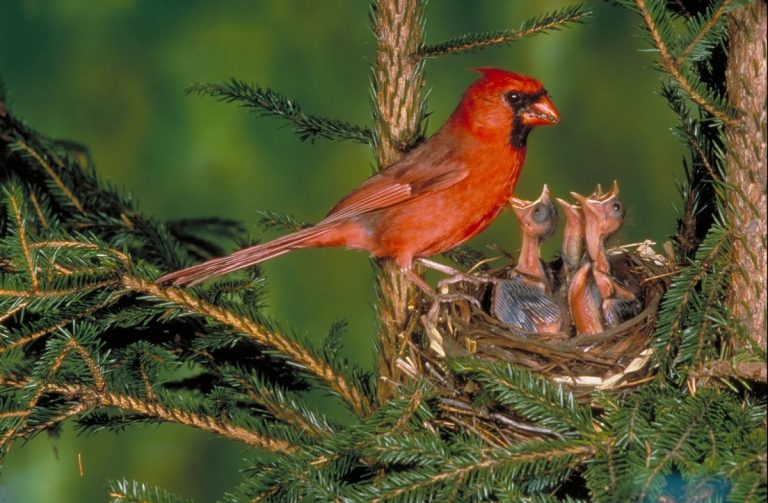
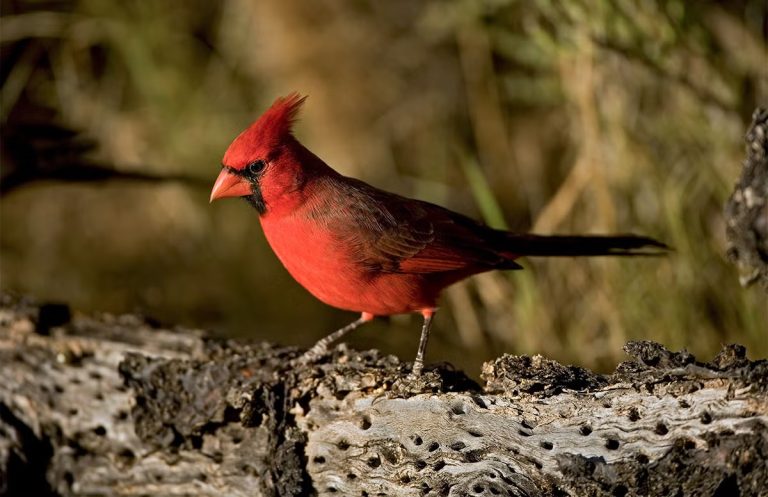
Male cardinals are easily distinguished by their bright red plumage, which covers the entire body except for the black mask around the face. Their coloration is a signal of health and vitality, often used to attract females during breeding season. The intensity of red varies slightly depending on diet, age, and environmental conditions, with older males generally displaying richer coloration.
Males are territorial and will defend their chosen area vigorously, often singing from high perches to announce their presence. Their strong beak, adapted for cracking seeds, and sharp eyes for spotting prey or rivals are characteristic features. Observing males in breeding or feeding behavior allows you to appreciate their role in reproduction, territory maintenance, and population dynamics within cardinal communities.
Beyond color, male cardinals exhibit unique behaviors such as courtship feeding, where they bring food to females, signaling their suitability as mates. These behavioral and physical traits together define the distinctive identity of male cardinals in the wild.
Female Cardinal Characteristics
Female cardinals are significantly more muted in coloration, typically displaying soft brown, tan, or olive feathers with hints of red on the wings, tail, and crest. This subtle coloration provides camouflage, particularly important during nesting to protect eggs and chicks from predators. Despite their muted tones, females are equally vital for reproduction and often participate in territory defense alongside males.
Behaviorally, females are skilled foragers and attentive nest caretakers. They choose nesting sites carefully, often in dense shrubs or low trees, to enhance safety for their young. Female cardinals also communicate using a variety of vocalizations to coordinate with mates and warn of potential threats.
The differences in plumage and behavior between males and females are examples of sexual dimorphism, a common adaptation in many bird species. Understanding these distinctions allows you to accurately identify cardinals in different roles and life stages.
Black Cardinal Characteristics
Black cardinals, often appearing as unusually dark individuals, are extremely rare and typically the result of melanism, a genetic mutation that increases dark pigmentation in feathers. These birds are not a separate species but an intriguing variation within the cardinal population. The black or dark coloration can range from subtle darkened feathers to nearly entirely black appearances, sometimes with faint red undertones still visible under sunlight.
Behaviorally, black cardinals are similar to their red counterparts. They maintain territories, forage for seeds and insects, and participate in courtship and nesting behaviors. Observing a black cardinal requires careful attention, as lighting and shadows can exaggerate the darkness, making identification challenging. Black cardinals highlight the genetic diversity within the species and demonstrate how mutations can create striking visual differences without altering behavior.
These rare color variations provide birdwatchers with opportunities to study avian genetics and understand how environmental factors, mutations, and diet can influence feather coloration. Black cardinals also spark curiosity, encouraging careful observation of subtle details in plumage and behavior.
Comparing Physical And Behavioral Traits
Comparing male, female, and black cardinals reveals both similarities and differences in appearance, behavior, and ecological roles. Males are bold and vividly colored, primarily using their appearance and song for mate attraction and territory defense. Females are muted in color, using camouflage for nesting and protection while sharing parental duties. Black cardinals, while visually striking, exhibit behaviors similar to standard males or females depending on sex.
All three forms share strong beaks for seed consumption, keen eyesight for detecting prey or predators, and vocalizations for communication. Territorial behavior, foraging habits, and reproductive roles are largely consistent, showing that color variations do not necessarily change ecological function.
Understanding these differences enhances birdwatching experiences, allowing you to distinguish between sexes and rare melanistic individuals. Observing subtle behavioral cues alongside plumage traits helps you accurately identify cardinals and appreciate the diversity within this familiar species.
Genetic And Environmental Factors Influencing Appearance
The coloration differences between males, females, and black cardinals are influenced by genetics, age, diet, and environmental conditions. Males’ bright red plumage is largely determined by carotenoid pigments in their diet, while females’ muted tones help with camouflage. Black cardinals arise from melanism, an overproduction of melanin caused by genetic mutation.
Environmental factors such as sunlight, feather wear, and habitat conditions can also affect coloration. For example, feathers exposed to prolonged sun may fade, while those in shaded areas may appear darker. Diet rich in carotenoids enhances red coloration in males and subtly in females, emphasizing how both genetic and external factors shape appearance.
Causes Of Black Coloration In Cardinals
Cardinals are most recognized for their bright red males and soft brown females, but occasional individuals appear unusually dark, even nearly black. These rare color variations spark curiosity among birdwatchers and researchers alike. Understanding the causes of black coloration in cardinals involves exploring genetic mutations, environmental influences, and other factors that affect feather pigmentation. Studying these variations offers insight into avian biology and the fascinating diversity within a single species.
Melanism And Genetic Mutations
The primary cause of black or dark coloration in cardinals is melanism, a genetic mutation that results in excess melanin production. Melanin is the pigment responsible for darker feathers, and in melanistic cardinals, it can produce a nearly black appearance across the plumage.
Melanism can occur in both males and females, though it remains extremely rare in natural populations. These genetic variations do not typically affect behavior or survival, meaning that black cardinals act like normal red or brown individuals in terms of hunting, nesting, and territorial behaviors. Observing melanistic cardinals provides a unique opportunity to study genetic diversity and the role of pigmentation in birds.
Genetic factors alone do not explain every dark-appearing cardinal, but they are the main driver behind the rare black colorations seen in the wild. The prevalence of melanism in cardinals is low, making each sighting noteworthy for enthusiasts and researchers.
Environmental And Diet Influences
Environmental conditions and diet can also influence the appearance of cardinal plumage. Exposure to sunlight, feather wear, and natural aging can all slightly darken feathers, sometimes creating the illusion of a black cardinal.
Diet plays a role in pigment expression as well. Cardinals obtain red coloration primarily from carotenoids in seeds and berries. Limited access to these pigments may reduce red intensity, causing plumage to appear darker or muted. While diet alone does not create true black cardinals, it can accentuate the darkness caused by melanism or feather wear.
Environmental stressors, including poor nutrition or habitat degradation, can also affect feather quality, leading to duller, darker feathers over time. These subtle influences highlight how both genetics and environment shape the visual diversity of cardinals.
Misidentification And Perception
Many reported “black cardinals” may actually be misidentified individuals or optical illusions. Juvenile cardinals, for example, have darker feathers that gradually transition to adult red or brown plumage. Lighting conditions, shadows, and feather wear can also make red cardinals appear almost black at certain angles.
Observers need to carefully consider body shape, beak color, and song to confirm identification. Black-appearing birds are often confirmed as cardinals only after close observation, photography, or repeated sightings under different conditions. Misidentification emphasizes the importance of careful documentation when studying rare color variations in the wild.
By understanding these factors, you can differentiate true melanistic cardinals from birds that only appear dark due to lighting or developmental stages, gaining a more accurate view of avian color diversity.
Implications And Rarity
Black coloration in cardinals is extremely rare, making each observation valuable for scientific study and birdwatching records. Melanistic individuals provide insight into genetic diversity, adaptation, and the role of pigmentation in survival and communication.
While rare, black cardinals generally live normal lives, displaying typical feeding, nesting, and territorial behaviors. Studying these individuals also highlights how subtle mutations can produce striking visual differences without altering behavior or ecological function. These sightings remind you of the complexity and unpredictability of nature and encourage careful observation and appreciation of avian diversity.
Spotting And Observing Black Cardinals
Black cardinals are among the rarest and most intriguing color variations within the cardinal species. Their striking dark plumage captures the attention of birdwatchers and researchers alike. Observing these birds requires patience, knowledge of their behavior, and awareness of environmental factors that influence visibility. Understanding how to spot and observe black cardinals allows you to appreciate their rarity and learn more about the fascinating diversity in cardinal populations.
Choosing The Right Habitats
Finding black cardinals starts with knowing where cardinals typically live. They prefer dense forests, woodland edges, and areas with abundant shrubs and trees for nesting and feeding. Observing these habitats increases your chances of spotting a melanistic individual.
Focus on areas with consistent food sources, such as berry bushes, seed feeders, or small mammal-rich undergrowth, as these attract cardinals regularly. Early mornings and late afternoons are ideal times for observation since birds are most active while foraging or defending territories. Patience is key, as black cardinals are extremely rare, and spotting one often requires multiple visits to suitable habitats.
By understanding typical cardinal behavior and preferred environments, you can position yourself strategically to observe rare color variations without disturbing the birds or their nests.
Observation Techniques
Using binoculars or a spotting scope is essential for identifying subtle features that distinguish black cardinals from other dark birds. Pay attention to beak shape, body size, and crest presence, which confirm cardinal identity even when plumage appears nearly black.
Photographs can also aid identification, especially under different lighting conditions, as sunlight can reveal faint red undertones in melanistic cardinals. Take notes on behavior, feeding patterns, and vocalizations to better understand their natural habits. Quiet observation is crucial, as approaching too closely may cause stress or drive the bird away from its territory.
Maintaining a distance while using optical aids allows you to study these rare birds safely and accurately, increasing your chances of repeated sightings and better documentation.
Timing And Seasonal Considerations
Seasonal changes influence cardinal visibility and activity. During breeding season, males are more vocal and territorial, making it easier to locate individuals. Winter can be ideal for spotting cardinals at feeders or open areas when snow contrasts with their dark plumage, highlighting even subtle melanistic traits.
Migration patterns are less relevant for cardinals, as they are mostly resident birds, but seasonal variations in food availability affect foraging behavior. Understanding these seasonal trends allows you to predict when and where black cardinals might appear, improving observation success and the quality of your study.
Regular monitoring across different times of year provides insight into behavior, movement patterns, and interactions with other cardinals, offering a deeper understanding of these rare individuals in their natural environment.
Ethical Observation Practices
Observing black cardinals ethically is essential to minimize disturbance and support conservation. Avoid approaching nests, startling feeding birds, or using loud calls to lure them. Respecting their natural behavior ensures accurate observation and reduces stress on rare individuals.
Keep a journal of sightings, including location, time, weather conditions, and behavior, to contribute valuable data for personal study or citizen science projects. Sharing findings responsibly with local birding communities or conservation organizations can help track the occurrence of melanistic cardinals and support broader research efforts.
Frequently Asked Questions
Are There Black Cardinals Birds In Nature?
You may wonder, are there black cardinals birds in the wild or are they just a myth. True black cardinals do not exist as a separate species, but rare individuals can appear very dark due to a genetic condition called melanism.
Melanism causes an overproduction of dark pigment in the feathers, making a cardinal look nearly black. These cases are extremely uncommon, which is why sightings often create excitement among birdwatchers. Most cardinals you see will still display the typical red or brown coloration.
What Causes A Cardinal To Appear Black?
A cardinal may appear black because of melanism, which increases the amount of melanin in its feathers. This genetic mutation changes the usual bright red or brown tones into much darker shades.
Lighting conditions can also play tricks on your eyes. Shadows, overcast skies, or viewing the bird from a distance may make a red cardinal look black. Careful observation under natural light often reveals subtle red undertones beneath the darker appearance.
Are Black Cardinals A Different Species?
You might think a black cardinal belongs to a separate species, but that is not the case. A dark or black-looking cardinal is still the same species as the familiar Northern Cardinal.
The difference lies only in feather pigmentation, not in behavior, habitat, or diet. These rare birds sing the same songs, eat similar foods, and build nests just like other cardinals. Their unusual color simply reflects a genetic variation rather than a distinct classification.
Can Both Male And Female Cardinals Be Black?
Both male and female cardinals can experience melanism, although it is very rare in either sex. A melanistic male may lose much of his bright red coloring and appear dark overall.
A female cardinal, which is normally brown with red highlights, may also look darker than usual. You can identify their sex by observing behavior, size, and subtle features rather than relying only on color. Paying attention to these traits helps you avoid confusion when spotting unusual individuals.
How Rare Are Black Cardinals In The Wild?
Black cardinals are extremely rare in natural populations. Most birdwatchers never encounter one during their lifetime, which adds to the mystery surrounding these sightings.
Because melanism occurs infrequently, confirmed reports are limited. When you hear about a black cardinal, it often becomes a topic of discussion among local birding communities. Their rarity makes documentation important, especially through clear photographs and detailed notes.
Could A Black Bird Be Mistaken For A Cardinal?
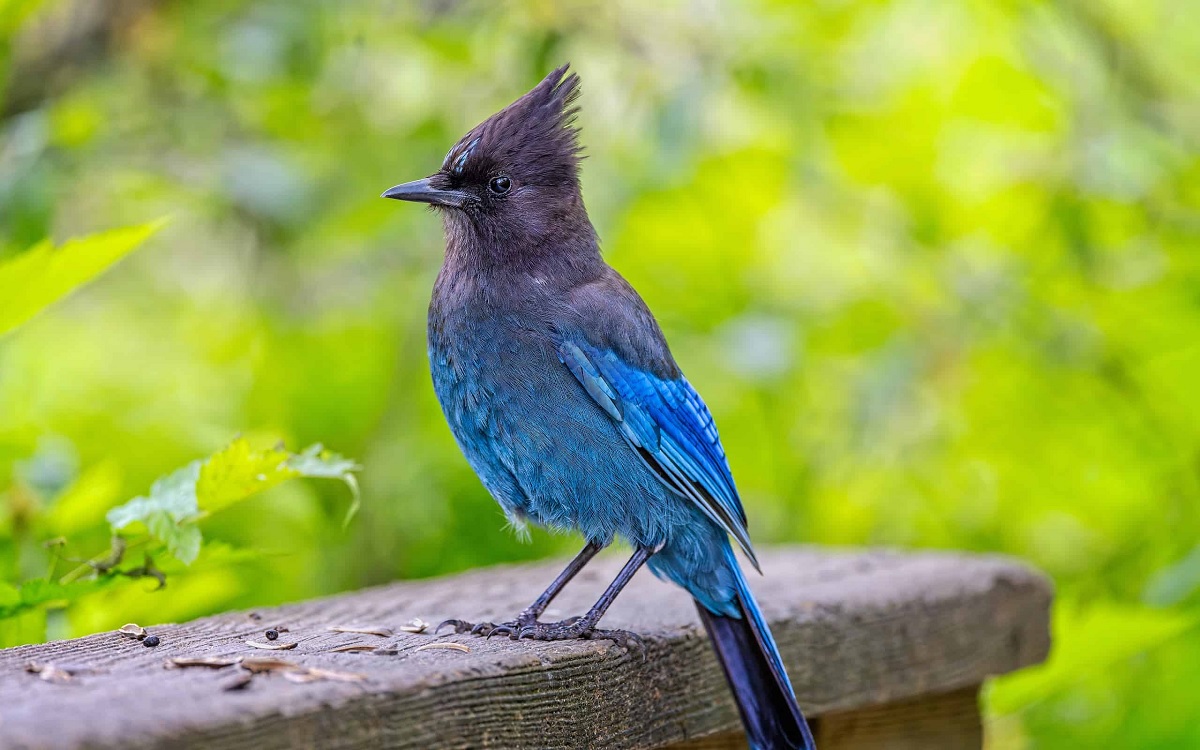
Yes, you can easily mistake another dark bird for a black cardinal. Species like grackles, blackbirds, or starlings share similar sizes and may appear in the same habitats.
To confirm identification, focus on the thick orange beak, pointed crest, and body shape typical of cardinals. Listening to the bird’s song also helps, as cardinals have distinct whistles and clear notes. Careful observation prevents misidentification and improves your birdwatching skills.
Does Black Coloration Affect A Cardinal’s Behavior Or Lifespan?
Black coloration does not significantly change how a cardinal behaves. A melanistic bird still defends territory, searches for seeds and insects, and participates in courtship like any other cardinal.
There is no strong evidence that darker feathers directly impact lifespan. However, survival always depends on food availability, habitat quality, and predator pressure. When you observe a black cardinal, you are seeing a natural genetic variation rather than a bird with altered habits or reduced abilities.
Final Thoughts
While cardinals are typically known for their vibrant red and muted brown colors, rare variations can appear that intrigue birdwatchers and researchers alike. These darker or black-colored cardinals are uncommon and usually result from genetic mutations or environmental factors that affect feather pigmentation. Observing these unique birds offers valuable insight into the diversity and adaptability of the species.
When exploring the question of are there black cardinals birds, it’s important to recognize that sightings are extremely rare. Most reported cases are isolated individuals rather than established populations. Birdwatchers must carefully distinguish these rare variants from other dark-feathered birds to avoid misidentification. Habitat, size, and beak shape are key clues in confirming a black cardinal sighting.
Protecting the habitats of all cardinal variants ensures these fascinating birds can continue to thrive. By understanding are there black cardinals birds and learning how to responsibly observe them, enthusiasts contribute to conservation efforts while appreciating one of nature’s most unusual and beautiful occurrences.