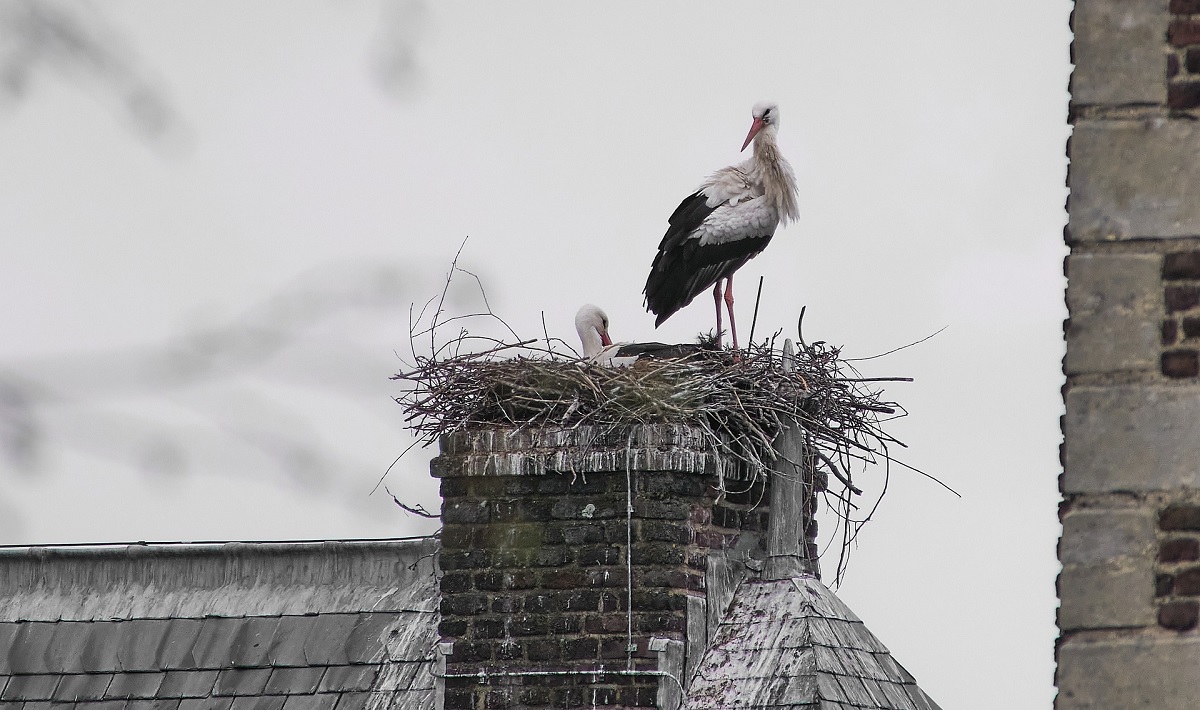
How To Keep Birds Out Of Fireplace Vent Safely And Effectively
Birds often seek out sheltered spaces to build nests or take refuge, and fireplace vents can become an unexpected target. This can create serious safety hazards, block airflow, and lead to unwanted messes in your home. Understanding how to keep birds out of fireplace vent is essential for both protecting your property and ensuring the safety of the birds themselves. By identifying the signs of nesting activity and learning practical prevention strategies, you can maintain a safe and efficient fireplace system.
From physical barriers to routine maintenance, addressing this issue proactively helps prevent blockages, reduces fire risks, and discourages birds from returning. Implementing simple solutions not only safeguards your home but also promotes responsible coexistence with wildlife, creating an environment where birds are deterred from entering hazardous areas without harm.
Physical Barriers And Covers
Installing physical barriers and protective covers is one of the most effective ways to prevent birds from entering your fireplace vent. These solutions create a secure obstruction, ensuring that birds cannot access the vent while still allowing proper ventilation. Understanding different types of barriers, their installation methods, and maintenance requirements is essential for protecting your home from blockages, debris, and potential fire hazards. Observing how birds interact with these barriers also provides insight into the best practices for long-term prevention.
Mesh Screens And Vent Covers
Mesh screens are a popular option for keeping birds out of fireplace vents. Made from durable materials such as stainless steel or aluminum, these screens are designed to withstand harsh weather conditions while preventing small birds and nesting materials from entering. Installation typically involves securing the mesh over the vent opening, ensuring it fits snugly to eliminate gaps.
Mesh screens allow air to flow freely for efficient fireplace operation while acting as a barrier against birds, leaves, and other debris. Vent covers can also be installed, often made from metal or heat-resistant plastic, to provide additional protection and aesthetic appeal. These covers are designed to complement the exterior of your home while serving a practical function. Regular inspection and cleaning of mesh screens and vent covers ensure continued effectiveness, preventing rust or damage that could compromise protection.
Chimney Caps And Guards
Chimney caps are another effective physical barrier that protects both the vent and the interior of the home. These caps often include a built-in mesh or guard to block birds and other animals from entering while still allowing smoke and gases to escape. They are particularly useful for homes in areas with frequent bird activity or where vents are easily accessible.
Chimney guards, similar to caps, are designed to prevent entry while maintaining proper ventilation. They can be custom-fitted to various vent sizes and styles, providing a secure and long-lasting solution. Installing chimney caps and guards not only prevents birds from nesting but also reduces the risk of water damage, debris accumulation, and fire hazards caused by blocked vents. Regular maintenance and inspection ensure that the barrier remains effective and that no gaps develop over time.
Considerations For Long-Term Effectiveness
For long-term success, choosing durable materials and proper installation is critical. Physical barriers should withstand weather changes, UV exposure, and potential bird attempts to bypass them. Periodically checking for damage, rust, or loose fittings ensures the barriers remain secure and functional.
Combining mesh screens, vent covers, and chimney caps often provides the best protection. These measures create multiple layers of defense, making it increasingly difficult for birds to gain access. Observing bird activity after installation can also help identify any weak points. By taking a proactive approach, homeowners can effectively prevent birds from entering fireplace vents while maintaining safety, airflow, and home aesthetics.
Deterrents And Repellents
Deterrents and repellents play an important role in discouraging birds from approaching or settling near sensitive areas like vents, chimneys, and rooftops. These methods rely on altering the environment so birds feel unsafe or uncomfortable without causing harm. Understanding how different deterrents work, how birds respond to them, and how to apply them correctly helps create a balanced and effective prevention strategy that supports both home safety and humane wildlife management.
Visual Deterrents That Disrupt Bird Comfort
Visual deterrents work by exploiting birds’ natural sensitivity to movement and reflective surfaces. Items such as reflective tape, hanging discs, or spinning pinwheels create constant motion and flashes of light that make birds uneasy. When placed near vents or entry points, these objects interrupt birds’ landing patterns and reduce their willingness to return repeatedly.
Over time, rotating or repositioning visual deterrents helps maintain their effectiveness. Birds are intelligent and may become accustomed to static objects, so subtle changes keep the environment unpredictable. Visual deterrents are especially useful in open areas where birds rely heavily on sight to assess safety. Used consistently, they can significantly reduce perching and nesting behavior around targeted locations.
Scent-Based And Taste Repellents
Scent-based repellents rely on odors that birds find unpleasant or unfamiliar. These products are often derived from natural ingredients and can be applied near vents, ledges, or surrounding surfaces. While birds have a limited sense of smell compared to mammals, strong or persistent scents can still discourage repeated visits, especially when combined with other deterrent methods.
Taste repellents are commonly applied to surfaces where birds land or peck. These substances create an unpleasant sensory experience without harming the bird, teaching it to avoid the area in the future. Regular reapplication is important, particularly after rain or strong winds. When used correctly, scent and taste repellents contribute to a layered approach that reinforces boundary learning in birds.
Combining Deterrents For Consistent Results
Using multiple deterrents together often produces the most reliable outcomes. Visual elements can discourage initial approach, while scent or taste repellents reinforce avoidance once birds explore the area. This combination makes the space less appealing from several sensory perspectives, reducing the likelihood of nesting or repeated visits.
Consistency is key when applying deterrents and repellents. Monitoring bird behavior helps identify which methods are most effective and where adjustments are needed. Over time, a well-maintained system of deterrents can establish long-term avoidance patterns, helping protect vents and surrounding structures while promoting humane coexistence with local bird populations.
Cleaning And Maintenance Tips
Regular cleaning and maintenance are essential for keeping vents, chimneys, and surrounding areas free from bird activity. A clean structure reduces attractive nesting materials, removes lingering scents, and allows you to spot early signs of blockage or damage. Consistent upkeep not only supports airflow and fire safety but also reinforces other prevention methods. By developing a routine and understanding where problems typically begin, long-term protection becomes more manageable and effective.
Routine Inspection And Debris Removal
Frequent inspections help you identify early warning signs such as twigs, feathers, droppings, or unusual noises. Checking vents and exterior openings every few weeks allows you to remove loose debris before birds establish a nest. Clearing small blockages early prevents airflow restriction and reduces the chance of birds returning to the same spot.
Using proper tools such as gloves, soft brushes, and flashlights ensures safe and thorough cleaning. Paying close attention to vent caps and surrounding ledges is especially important, as these areas often collect nesting materials. Routine inspection builds awareness of seasonal patterns, helping you anticipate when birds are most likely to attempt nesting.
Safe Cleaning Practices For Bird-Affected Areas
Cleaning areas affected by birds requires careful handling to avoid health risks and structural damage. Wearing protective gloves and masks helps reduce exposure to droppings and dust. Using mild, non-toxic cleaning solutions ensures surfaces are sanitized without introducing harsh chemicals that could attract or harm wildlife.
After removing visible debris, wiping surfaces removes residual odors that may signal a suitable nesting site to other birds. Allowing cleaned areas to dry completely before reinstalling covers or barriers improves effectiveness. Safe cleaning practices protect both homeowners and birds while maintaining a hygienic environment that discourages repeat visits.
Ongoing Maintenance And Seasonal Care
Long-term maintenance involves adjusting cleaning routines based on seasonal bird behavior. Spring and early summer often require more frequent checks due to nesting activity, while fall maintenance focuses on clearing leaves and preparing for colder months. Adapting schedules ensures vents remain unobstructed year-round.
Regular maintenance also includes inspecting covers, screens, and deterrents for wear or displacement. Repairing small issues promptly prevents gaps that birds could exploit. Over time, consistent maintenance establishes a less inviting environment, reinforcing prevention efforts and reducing the need for reactive solutions.
Behavioral And Preventive Measures
Behavioral and preventive measures focus on understanding why birds approach vents and modifying conditions that encourage repeated visits. By observing bird activity patterns and reducing environmental attractions, you can discourage nesting before it begins. These approaches work best when combined with physical barriers and regular maintenance, creating a well-rounded strategy that limits access while guiding birds toward safer, more suitable habitats away from household structures.
Identifying Patterns In Bird Activity
Careful observation helps reveal when and why birds are drawn to certain areas. Noticing the time of year, frequency of visits, and specific entry points allows you to predict nesting attempts more accurately. Birds often return to locations that previously offered shelter, so recognizing these patterns helps you intervene early.
Monitoring behavior over several days or weeks provides insight into species-specific habits. Some birds are more persistent, while others leave quickly after disturbance. Understanding these differences allows you to tailor preventive actions, such as adjusting deterrent placement or increasing inspections during peak activity periods. Behavioral awareness forms the foundation of effective prevention.
Reducing Environmental Attractants
Eliminating attractants near vents is a key preventive step. Birds are more likely to linger where food sources, water, or nesting materials are readily available. Keeping nearby areas clean, trimming overhanging branches, and removing loose debris reduces the appeal of vent locations.
Managing the surrounding environment also involves limiting perching opportunities. Smoothing ledges or adding subtle barriers discourages birds from resting near openings. When the immediate area offers little reward, birds naturally seek alternative locations, reducing pressure on vents and chimneys without the need for aggressive deterrents.
Encouraging Long-Term Avoidance
Preventive measures are most successful when they promote lasting avoidance rather than temporary disruption. Consistency in maintenance, deterrent use, and observation helps birds associate the area with discomfort or inconvenience. Over time, this learning process discourages repeated attempts to enter or nest.
Providing alternative nesting options at a safe distance can also redirect bird behavior. Nesting boxes placed away from vents offer suitable habitats while protecting household structures. This balanced approach supports wildlife coexistence, ensuring birds remain safe while your home stays protected from unwanted intrusion.
Frequently Asked Questions
Why Do Birds Try To Nest In Fireplace Vents
Birds are naturally drawn to fireplace vents because they provide warmth, shelter, and protection from predators. From a bird’s perspective, a vent opening resembles a hollow tree or safe cavity. You may notice this behavior more often during spring when nesting instincts are strongest. The height and quiet nature of vents also make them appealing. Understanding this behavior helps you recognize that birds are not acting aggressively, but instinctively seeking safety, which is why preventive steps should focus on blocking access rather than reacting after nesting begins.
What Is The Most Effective Way To Keep Birds Out Of Fireplace Vents
The most reliable solution is installing a professionally fitted chimney or vent cap with a wire mesh screen. This physical barrier blocks entry while still allowing proper airflow and ventilation. You benefit from long-term protection because birds cannot push through or build around the barrier. Regular inspection ensures the cap remains secure. Compared to temporary deterrents, vent covers provide consistent results and reduce the risk of blockages, smoke backup, or fire hazards caused by nesting materials inside the vent system.
Can Birds In Fireplace Vents Be Dangerous For Your Home
Yes, birds nesting inside fireplace vents can create serious safety risks. Nesting materials such as twigs, leaves, and feathers can block airflow, increasing the chance of smoke backing up into your home. This can also raise the risk of chimney fires or carbon monoxide buildup. You may hear scratching or chirping sounds, which indicate obstruction. Addressing the issue early protects both your household and the birds, preventing emergencies that often occur when nests go unnoticed for extended periods.
Is It Safe To Remove Birds Or Nests From A Fireplace Vent
Removing birds or nests should be done carefully and at the right time. You should never remove active nests containing eggs or young birds, as this may be illegal and harmful. Waiting until nesting season ends is often the safest approach. For immediate safety concerns, contacting wildlife control professionals is recommended. They know how to handle removal humanely and legally. Once removal is complete, sealing the vent prevents future nesting attempts and avoids repeated disruptions.
Do Repellents Really Work For Fireplace Vent Protection
Repellents can help discourage birds, but they work best as a secondary measure. Visual deterrents, reflective objects, or mild scent repellents may reduce interest around the vent area. However, birds can become accustomed to these over time. You should combine repellents with physical barriers for consistent protection. Relying on repellents alone may only offer short-term relief, whereas combining methods creates an environment birds learn to avoid entirely.
How Often Should You Inspect And Maintain Fireplace Vents
Regular inspection is essential to keep birds out of fireplace vents long-term. You should check vents at least twice a year, especially before and after nesting season. Look for loose screens, debris buildup, or signs of bird activity. Cleaning and maintenance help maintain proper airflow and ensure barriers remain effective. Staying proactive reduces costly repairs and safety risks, making routine inspections a key part of responsible home care and wildlife prevention.
Final Thoughts
Keeping birds from nesting in your fireplace vent requires a careful balance between effective prevention and maintaining proper airflow. Using secure vent caps, mesh screens, and regular inspections can significantly reduce the chances of birds entering and building nests. Deterrents and structural adjustments also help make the area less appealing without causing harm. Consistent maintenance is especially important during nesting seasons, when birds are most active.
When thinking about [how to keep birds out of fireplace vent], it becomes clear that combining physical barriers with routine cleaning and observation delivers the best results. Taking these steps not only protects your home from blockages, fire hazards, and unpleasant odors but also ensures birds are safely discouraged rather than harmed. A proactive approach helps you maintain a functional fireplace while respecting local wildlife and avoiding recurring problems year after year.