How To Keep Birds Out Of Your Door Wreath Without Harming Them
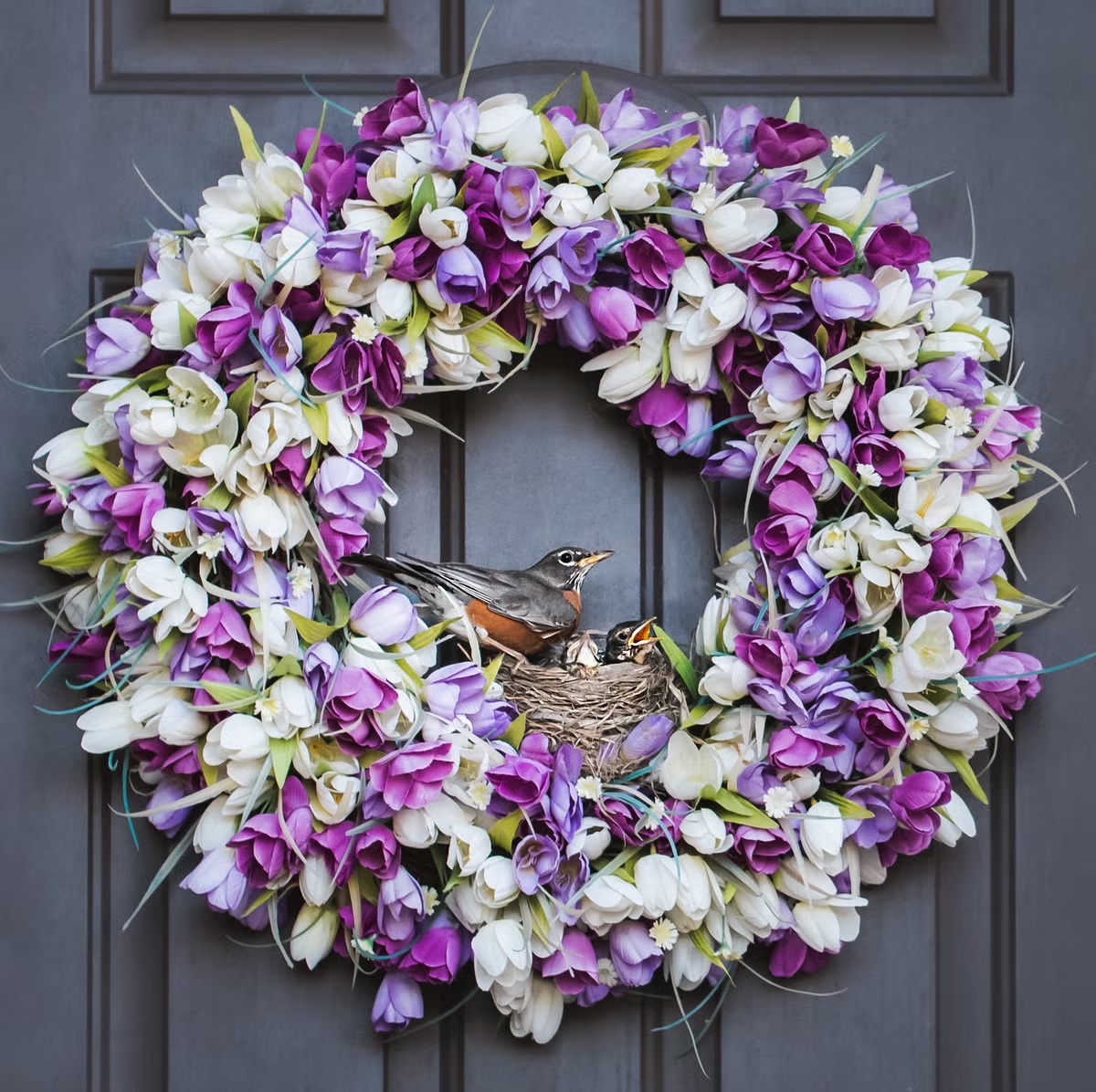
A beautiful door wreath adds warmth and personality to your home, but it can quickly turn into a problem when birds start treating it like the perfect nesting spot. Feathers, droppings, and constant chirping near your entrance can make daily comings and goings uncomfortable. Many homeowners face this issue season after season, especially during spring, and feel frustrated when their carefully chosen décor becomes damaged. Learning how to keep birds out of your door wreath helps protect both your wreath and your peace of mind without harming wildlife.
Birds are naturally drawn to wreaths because they resemble safe shelter, especially those made with twigs, greenery, or soft decorative elements. Addressing the problem early prevents mess, reduces noise, and keeps your entryway welcoming for guests. With simple, practical strategies, you can enjoy your seasonal décor while gently discouraging birds from settling in. This guide focuses on realistic solutions that fit everyday homes, allowing you to maintain curb appeal while keeping your front door clean, calm, and bird-free all year long.
Why Birds Are Attracted To Door Wreaths
Door wreaths may look like simple décor to you, but to birds they can appear as a ready-made shelter placed in a quiet, elevated spot. Positioned near a solid structure and often protected from wind and rain, wreaths offer a sense of safety. Their natural materials, textures, and shapes closely resemble nesting sites birds seek during breeding seasons. Understanding these attractions helps explain why birds repeatedly choose door wreaths over nearby trees or shrubs.
Natural Materials Mimic Ideal Nesting Spots
Many door wreaths are made from twigs, vines, dried grass, pinecones, moss, or faux greenery designed to look organic. Birds instinctively search for these materials when building nests, so a wreath sends strong visual signals of suitability. The circular shape resembles a partially built nest, reducing the effort birds need to invest.
Soft decorative elements such as ribbons, fabric leaves, or faux florals can also be pulled apart for nesting material. Even artificial wreaths trigger this response because birds rely more on shape and texture than material authenticity.
When hung at eye level or higher, wreaths appear secure from ground predators, reinforcing their appeal. This combination of natural appearance and convenient structure makes wreaths an irresistible shortcut for birds during nesting season.
Shelter And Protection Near Human Structures
Birds are drawn to areas that offer protection from weather and predators, and door wreaths benefit from their placement on exterior walls. Overhangs, porches, and door frames block strong winds, heavy rain, and direct sunlight. The solid wall behind the wreath provides extra stability, making it feel safer than branches that sway.
Surprisingly, human activity can also deter natural predators like snakes or larger birds, creating a perceived safe zone. Many birds adapt well to human environments and learn that front doors are rarely disturbed for long periods.
This sense of consistent shelter encourages birds to return repeatedly, especially once one bird successfully nests there and others observe the outcome. The combination of safety, shelter, and low disturbance makes wreaths highly attractive to nesting birds.
Height, Visibility, And Easy Access
Most wreaths are hung at an ideal height for birds, high enough to avoid ground threats but low enough for easy access. This mid-level positioning is often preferred for nesting species that do not nest in tree canopies.
Wreaths placed on front doors are highly visible from multiple angles, allowing birds to quickly spot them while flying by. Clear flight paths near entryways make landing and takeoff easier compared to dense shrubs.
Additionally, wreaths rarely move once installed, offering stability that birds value when choosing a nesting site. Over time, birds may associate similar-looking wreaths with safety, causing repeated attraction year after year.
Seasonal Timing And Breeding Instincts
Bird attraction to door wreaths increases sharply during spring and early summer when breeding instincts are strongest. During this time, birds are constantly searching for secure nesting locations that require minimal effort. A wreath already resembles a finished framework, saving energy during a demanding season.
Hormonal changes heighten sensitivity to shapes and textures associated with nesting, making wreaths stand out even more. If a wreath remains in place throughout the season, it becomes a consistent option compared to changing natural environments.
This seasonal urgency explains why birds may suddenly show interest after ignoring the wreath for months, especially when temperatures rise and daylight increases. Wreaths become not just décor, but a convenient and attractive nesting solution during critical breeding periods.
Physical Barriers To Block Nesting
Protecting your door wreath from birds often requires practical, physical solutions. Physical barriers are effective because they prevent birds from accessing the wreath while keeping it intact and undamaged. Unlike repellents or sprays, these methods work continuously without harming birds, offering a humane way to deter them. By using strategically placed screens, netting, or other obstruction techniques, you can maintain your wreath’s appearance while reducing the risk of nesting. Implementing physical barriers ensures your décor remains bird-free throughout the year.
Mesh Netting And Wire Screens
One of the most reliable ways to block birds from your wreath is by using mesh netting or wire screens. Mesh netting creates a flexible shield around the wreath, preventing birds from reaching its interior. It can be carefully draped or secured with discreet hooks or ties, maintaining your wreath’s aesthetic while acting as a barrier.
Wire screens offer a sturdier option for heavier wreaths or areas where birds are persistent. These can be shaped to cover the wreath entirely, creating a protective layer that birds cannot penetrate. Choosing the right mesh size is critical: too large, and smaller birds may still squeeze through; too small, and it can interfere with the wreath’s visual appeal.
Both netting and wire screens are reusable and easy to install, making them ideal for seasonal décor. They provide constant protection without requiring frequent maintenance, and because they don’t use chemicals or motion-based deterrents, birds are gently discouraged without harm. Mesh or wire can be adapted for wreaths of various sizes, making this solution highly versatile and practical for everyday use.
Clear Plastic Shields And Covers
Another effective physical barrier is the use of clear plastic shields or protective covers. Transparent materials allow your wreath to remain visible and decorative while preventing birds from landing or nesting. Clear covers can be purchased specifically for outdoor décor or fashioned from durable sheets cut to fit the wreath.
Plastic shields are particularly effective against smaller birds that attempt to peck, tug, or build nests within the wreath. They also protect your decorations from environmental elements, such as rain or snow, adding dual functionality. Installation is straightforward: secure the shield around the wreath with ties, clips, or hooks, ensuring it doesn’t shift in wind or weather.
Because they are transparent, plastic shields preserve the wreath’s visual appeal, maintaining a welcoming entrance while keeping birds away. They are reusable and easy to clean, making them a long-term solution. Additionally, the smooth surface discourages birds from attempting to cling or build nests, effectively combining practicality with protection.
Spikes, Prongs, And Deterrent Rods
Bird spikes or prongs can be installed around the wreath area to prevent landing. These devices are typically made from plastic or metal and are designed to deter birds without causing injury. When positioned strategically, spikes make it uncomfortable for birds to perch on or near the wreath, reducing nesting attempts.
Deterrent rods can also be used as a complementary approach. Thin, vertical rods disrupt landing paths, especially for larger birds that need stable surfaces to perch. These rods are adjustable and often blend with the décor when placed carefully, ensuring minimal visual disruption.
Both spikes and rods provide a long-lasting solution for recurring bird problems. They require minimal maintenance and are weather-resistant, making them suitable for year-round use. By physically altering the landing environment, these barriers take advantage of bird behavior, steering them away naturally while keeping your wreath protected.
Deterrents That Discourage Birds
Keeping birds away from your door wreath can also be achieved through deterrents that discourage their presence without causing harm. These methods use visual, auditory, or tactile signals to make the wreath less appealing for landing or nesting. Deterrents are ideal for homeowners who want to maintain their décor’s appearance while gently guiding birds elsewhere. By implementing these solutions, you can reduce unwanted activity around your door and protect your wreath from damage, droppings, or nesting attempts.
Visual Deterrents
Visual deterrents work by triggering a bird’s natural instincts to avoid danger. Reflective objects, such as shiny ribbons, mirrors, or metallic streamers, catch sunlight and create flashes that birds perceive as threats. Hanging these near or on your wreath can make the area less inviting, encouraging birds to move elsewhere.
Predator decoys are another form of visual deterrent. Fake owls, hawks, or snakes positioned near the wreath can simulate the presence of a natural predator, discouraging birds from approaching. To remain effective, decoys should be occasionally moved or rotated, as birds can become accustomed to static displays over time.
Bright colors or unusual patterns can also deter birds, especially when combined with reflective surfaces. These visual cues exploit a bird’s cautionary instincts, creating a sense of instability or risk. Using visual deterrents is humane and non-intrusive, allowing you to maintain your door wreath’s decorative appeal while discouraging unwanted visitors.
Auditory Deterrents
Sound-based deterrents take advantage of birds’ sensitivity to noise. Ultrasonic devices, which emit high-frequency sounds imperceptible to humans, can keep birds at a distance. These devices disrupt their comfort zone, making the wreath area less appealing without causing harm.
Recorded predator calls or distress sounds can also be effective when played intermittently. Birds recognize these noises as indicators of danger, prompting them to avoid the area. Timing and volume are important; sounds should be unpredictable and not constant to prevent habituation.
Auditory deterrents are especially useful for persistent species that ignore visual cues. By combining sounds with visual elements, such as moving decoys or reflective materials, you can create a multi-layered deterrent system that reinforces avoidance behavior. These methods are safe, repeatable, and can protect wreaths without altering their appearance or structure.
Tactile Deterrents
Tactile deterrents make landing or nesting uncomfortable for birds. Sticky gels, textured surfaces, or flexible spikes placed around the wreath can prevent birds from perching or starting a nest. The slight discomfort encourages them to move to safer, more suitable locations.
Surfaces coated with these materials are often transparent or minimally visible, maintaining the wreath’s aesthetic appeal. They are also reusable and weather-resistant, making them a long-term solution for recurring bird issues.
Tactile deterrents are most effective when combined with visual or auditory methods. The combination reinforces the message that the area is unsafe, increasing the likelihood that birds will avoid the wreath entirely. These gentle methods provide consistent protection while keeping your decorations intact.
Modifying Wreath Materials
Adjusting the materials used in your door wreath can significantly reduce its attractiveness to birds. By selecting textures, shapes, and elements that birds find less appealing, you can maintain a beautiful decoration while discouraging nesting. Modifying wreath materials offers a proactive approach, preventing problems before they start rather than relying solely on deterrents or barriers. These subtle changes help protect your wreath from damage, droppings, and unwanted attention while keeping it stylish and functional.
Choosing Bird-Resistant Materials
One effective strategy is to use materials that birds are less likely to interact with. Smooth or dense textures, such as certain plastics, polished metals, or tightly woven synthetic fibers, discourage perching or nest building. Unlike twigs, moss, or soft greenery, these materials do not resemble natural nesting components, making the wreath less inviting.
Additionally, avoid loose elements like feathers, yarn, or straw that birds can easily pull apart for nesting material. Even small accents like faux berries or fabric leaves can be replaced with sturdier alternatives that maintain a decorative look without offering usable nesting components. By thoughtfully selecting these materials, you can preserve the wreath’s aesthetic appeal while minimizing the risk of bird interference.
Bird-resistant materials are particularly useful for wreaths intended to remain outdoors for extended periods. Durable synthetics withstand weather better than natural elements, reducing maintenance needs and ensuring long-term protection against nesting birds. Combining these materials with careful design—such as compact arrangements or tightly wrapped decorations—creates an unappealing environment for birds while keeping your wreath visually attractive.
Minimizing Soft and Accessible Areas
Soft or open spaces in wreaths can unintentionally encourage birds to land and build nests. By modifying the arrangement to reduce gaps, holes, and loose layers, you make the wreath harder to access. Dense packing of branches, flowers, or decorative components limits available space, signaling to birds that the wreath is unsuitable for nesting.
Layering decorations tightly and securing them with wire or adhesive also helps maintain shape and prevents birds from tugging at elements. Avoiding dangling ribbons, strings, or loosely attached ornaments reduces opportunities for birds to use the wreath for nesting material. These small changes make a noticeable difference in bird behavior, discouraging them from attempting to settle.
Minimizing soft areas not only protects the wreath but also simplifies cleaning and maintenance. A compact, firm structure prevents debris accumulation and keeps the wreath looking fresh longer. By focusing on arrangement and material choice together, you create a wreath that remains both decorative and bird-resistant, offering a practical and elegant solution for homeowners.
Incorporating Natural Deterrent Elements
In addition to modifying the base materials, adding certain natural deterrent elements can further discourage birds. Strong-smelling herbs like lavender, rosemary, or eucalyptus, woven carefully into the wreath, can act as gentle deterrents. Birds tend to avoid areas with intense scents, particularly near their nesting sites.
Other subtle modifications include incorporating small pinecones, seed pods, or rough-textured accents that disrupt smooth surfaces. These features reduce the appeal of landing or settling while maintaining an organic, visually pleasing design. By thoughtfully combining texture, scent, and material density, you make the wreath far less attractive for nesting without compromising style.
Natural deterrent elements are low-maintenance and non-harmful, offering an eco-friendly addition to material modifications. When integrated into your wreath design, they complement other bird-resistant strategies, creating a layered approach to prevention that balances decoration and practicality.
People Also Asked
How Can I Stop Birds From Nesting In My Door Wreath?
You can prevent birds from nesting in your door wreath by using physical barriers, deterrents, and material modifications. Mesh netting or wire screens create a protective shield, while visual deterrents like reflective ribbons or predator decoys discourage landing. Choosing dense, smooth, or synthetic materials for the wreath also makes it less attractive for nesting. Regularly inspecting and rearranging the wreath can prevent birds from establishing a site. Combining these methods ensures your wreath remains decorative, bird-free, and safe, especially during breeding seasons when nesting instincts are strong.
Are There Safe Ways To Keep Birds Away From My Wreath?
Yes, there are several humane ways to keep birds away. Visual deterrents like shiny ribbons, mirrors, or fake predators create the illusion of danger. Auditory deterrents, including ultrasonic devices or recorded predator calls, make the area less appealing without harming the birds. Tactile methods, such as flexible spikes or sticky gels, discourage perching. Even modifying wreath materials to use dense or smooth textures can prevent nesting. These strategies allow you to protect your wreath while remaining kind to wildlife, ensuring your home entrance stays clean and attractive.
Does Changing Wreath Materials Really Help Prevent Birds?
Absolutely, modifying wreath materials is highly effective. Birds are attracted to soft textures, twigs, and loose elements for nesting. Replacing these with dense, smooth, or synthetic materials reduces the appeal of the wreath. Compact arrangements with tightly secured decorations prevent birds from pulling at elements or creating nests. You can also add natural deterrents like herbs or pinecones to discourage birds further. By carefully selecting and arranging materials, you maintain a visually appealing wreath while minimizing the risk of birds using it as a nesting site.
Can Visual Deterrents Alone Keep Birds Off My Wreath?
Visual deterrents are very helpful but work best when combined with other strategies. Reflective surfaces, ribbons, or metallic streamers catch light and make birds perceive danger. Predator decoys, like owls or hawks, simulate threats and prevent landing. However, birds can become accustomed to static displays over time. Rotating decoys or changing ribbon placement increases effectiveness. Pairing these visual cues with tactile barriers, deterrent gels, or material modifications ensures stronger protection and discourages repeated attempts to perch or nest in your wreath.
How Often Should I Check My Wreath For Birds?
You should inspect your wreath frequently, especially during spring and early summer when birds are most likely to nest. Weekly checks help you spot early signs of perching or nesting. Look for feathers, twigs, or droppings, and remove them promptly to discourage further activity. Regularly rearranging decorations or adjusting barriers maintains the wreath’s deterrent effect. Staying proactive prevents birds from establishing a nesting site and keeps your wreath clean and intact. Consistent monitoring also allows you to identify which deterrent methods are working best.
Are Auditory Deterrents Effective For Protecting Wreaths?
Yes, auditory deterrents can be effective, particularly for persistent species. Ultrasonic devices emit high-frequency sounds that disturb birds but are inaudible to humans. Recorded predator calls or distress sounds can signal danger, prompting birds to avoid the area. The key is to vary timing and volume to prevent habituation. When combined with visual or tactile deterrents, auditory methods create a multi-layered defense, making your wreath less appealing. These approaches are safe, non-invasive, and help maintain a bird-free entrance while protecting your wreath’s decorations.
What Is The Best Combination Of Methods To Keep Birds Away?
The most effective strategy combines physical barriers, deterrents, and material modifications. Mesh netting or wire screens block access, while visual deterrents like reflective ribbons or predator decoys discourage landing. Auditory methods can reinforce avoidance, and tactile deterrents prevent perching. Additionally, selecting dense or synthetic materials and minimizing loose elements reduces nesting opportunities. By using multiple approaches together, you create a comprehensive defense that addresses birds’ instincts to land, perch, or nest, keeping your wreath safe, attractive, and bird-free throughout the year.
Final Thoughts
Protecting your door wreath from birds requires a combination of preventive measures and regular monitoring. Using physical barriers like netting, choosing materials that are less attractive for nesting, and employing safe visual or scent deterrents can effectively discourage birds from making your wreath their home. Regularly checking for early signs of nesting and promptly addressing them ensures that small problems don’t become larger ones.
When considering [how to keep birds out of your door wreath], it’s important to prioritize humane methods that prevent harm to birds while maintaining the beauty and function of your decoration. By combining careful placement, thoughtful material choices, and consistent observation, you can enjoy a pristine door wreath year-round. These strategies help you balance aesthetic appeal with wildlife safety, creating a welcoming entryway for your home while responsibly discouraging birds from nesting in unwanted spaces.