How To Stop Birds From Pooping In My Pool: Effective and Humane Solutions
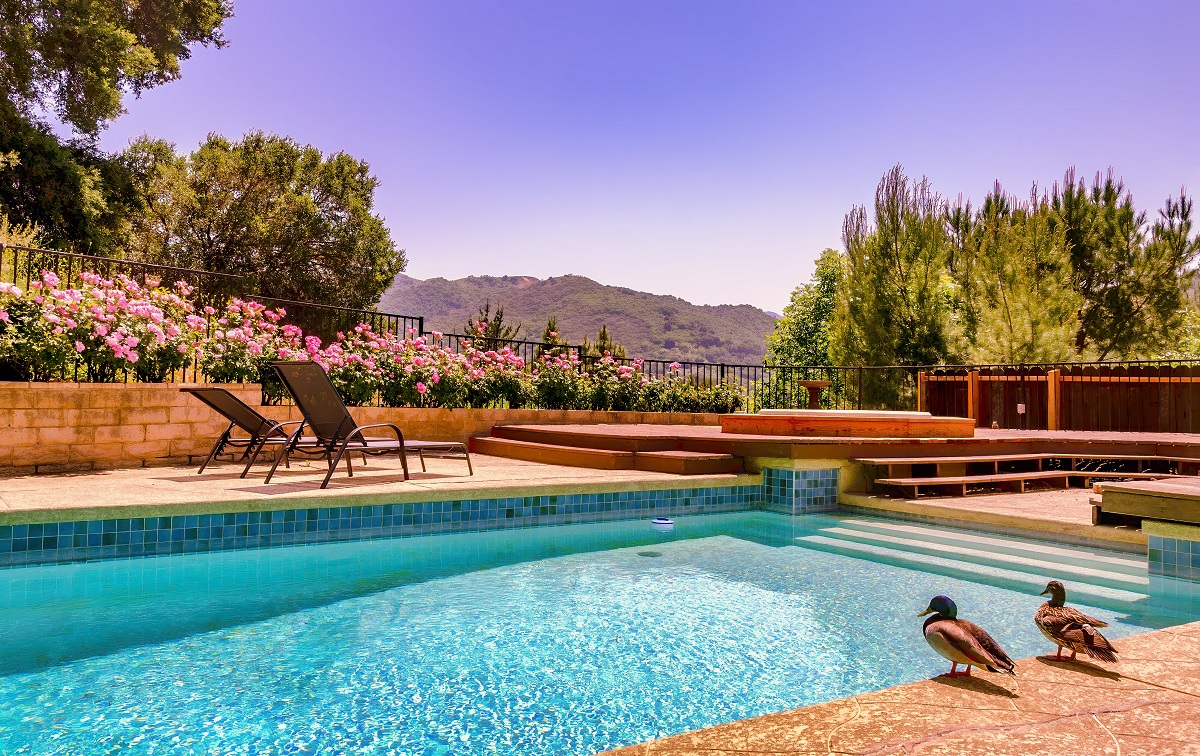
Birds can be delightful to watch in your backyard, but when they choose your pool as a resting or drinking spot, the experience quickly becomes frustrating. Their droppings not only create an unsightly mess but can also pose health risks, clog filters, and affect water quality. Managing this problem requires understanding bird behavior, their preferred perching spots, and what attracts them to your pool area.
By implementing strategic deterrents and protective measures, you can maintain a clean and safe swimming environment while still coexisting with local wildlife. This guide provides practical, effective strategies for how to stop birds from pooping in my pool, covering both preventive and active solutions that reduce bird activity around your water, safeguard pool cleanliness, and make your backyard a more enjoyable place for swimming and relaxation.
Common Birds That Target Pools
Pools attract a variety of birds seeking water for drinking, bathing, or cooling off. Identifying which species are most likely to visit your pool helps in implementing targeted deterrents and protective measures. Birds vary in size, behavior, and frequency of visits, so understanding their habits allows pool owners to anticipate activity, maintain cleanliness, and reduce the risk of droppings and contamination. Awareness of common pool-targeting birds is the first step in protecting both water quality and the surrounding environment.
Pigeons and Doves
Pigeons and doves are among the most frequent visitors to backyard pools. They are attracted to the open water for drinking and bathing and often congregate in groups, which can quickly lead to a significant mess. Pigeons, in particular, are persistent and adaptable, using pool edges, nearby decks, or even pool furniture as perching areas. Their droppings can carry bacteria, making it important to reduce their access to water and surrounding spaces.
Behaviorally, pigeons and doves are social birds that feed and drink together, which means multiple birds can visit your pool at once. They often return to familiar water sources daily, increasing the likelihood of repeated contamination. To manage these birds, consider installing physical barriers, visual deterrents, or reflective surfaces that discourage landing. Observing their patterns and preferred perching spots can help you implement more effective prevention strategies and maintain a clean, safe pool environment.
Songbirds and Smaller Birds
Smaller birds such as sparrows, finches, and robins also frequent pools, especially during hot weather when natural water sources are scarce. These birds are more cautious than larger species but will often visit for short periods to drink or bathe. While individually their droppings are minimal, frequent visits by flocks can still contribute to water contamination and cleanliness issues.
Songbirds are agile and tend to perch on nearby shrubs, fences, or deck furniture before approaching the pool. Their small size allows them to access areas that larger birds cannot, so a combination of deterrents may be required to manage both groups effectively. Providing alternative water sources elsewhere in your yard or garden can help redirect smaller birds away from the pool. Understanding the habits of these birds allows you to plan targeted solutions that reduce pool contamination while supporting the presence of smaller, beneficial species in your yard.
Larger Birds and Predators
Larger birds, such as crows and herons, can also target pools, particularly if the water is clean and accessible. These birds are more intimidating and capable of displacing smaller species, leading to concentrated droppings and water contamination. They may use pool edges, nearby trees, or fencing as vantage points to observe the area before landing.
Crows and herons are intelligent and adaptable, often returning to the same water sources repeatedly. To minimize their presence, visual deterrents such as reflective objects, scarecrows, or predator decoys can be effective, especially when combined with movement or sound. Understanding the behavior of these larger birds, including their feeding and drinking patterns, helps you implement preventive measures that protect water quality, maintain pool hygiene, and reduce unwanted bird interactions.
Physical Deterrents For Pools
Physical deterrents are one of the most effective ways to keep birds away from pools. These methods focus on creating barriers or obstacles that prevent birds from landing, perching, or accessing water. From netting and covers to spikes and floating devices, physical deterrents can significantly reduce bird activity while keeping them safe. Understanding which solutions work best for specific species and pool layouts helps maintain clean, hygienic water and minimizes the need for chemical treatments or constant cleaning.
Pool Covers and Netting
Pool covers and netting provide a direct physical barrier that prevents birds from reaching the water. Covers can be secured over the pool when not in use, making it inaccessible to pigeons, doves, and larger birds like crows. Netting is particularly useful for permanent or semi-permanent installations, allowing water to remain uncovered while keeping birds out. Proper installation is crucial to prevent gaps where birds might squeeze through or become trapped.
These barriers also offer additional benefits, such as reducing debris accumulation, improving safety, and conserving water by limiting evaporation. Netting or covers should be chosen based on the pool’s size and shape, and you may need to adjust tension or anchor points to ensure stability. Regular inspection ensures that the material remains intact and effective. By using pool covers or netting strategically, you can minimize bird activity, reduce droppings in the water, and maintain a cleaner, safer swimming environment.
Bird Spikes, Wires, and Perch Deterrents
Bird spikes, tension wires, and angled perch deterrents are designed to prevent birds from landing near pool edges, ledges, or surrounding furniture. These devices are non-lethal and create uncomfortable surfaces for birds without harming them. Spikes are effective on flat surfaces like coping stones, fence tops, or decorative ledges, while wires can deter larger birds from perching in open areas.
Proper placement is essential for effectiveness. Spikes and wires should cover all common landing zones, including pool ladders, diving boards, and adjacent structures. Combining these deterrents with visual or auditory methods enhances results, as birds are less likely to habituate to multiple stimuli. Regular inspection ensures that deterrents remain secure and effective. Implementing perch deterrents strategically helps maintain a clean pool area, reduces droppings, and discourages repeat visits by birds.
Visual And Auditory Repellents
Visual and auditory repellents offer non-invasive ways to keep birds away from pools by exploiting their natural instincts. These methods rely on sight and sound to create an environment that birds perceive as unsafe or uncomfortable. Reflective objects, predator decoys, and sound-emitting devices can effectively reduce perching, drinking, and bathing activity. Understanding how to use these repellents strategically enhances their effectiveness and helps maintain a clean, bird-free pool without causing harm to wildlife.
Visual Repellents
Visual repellents use movement, reflections, and predator cues to deter birds from approaching pool areas. Reflective materials such as shiny tape, mirrors, or old CDs produce flashes of light that startle birds and discourage them from landing. Predator decoys, like owls or hawks, exploit birds’ fear of natural enemies, making the area appear dangerous. Motion-activated objects, including inflatable animals or rotating decorations, further enhance the visual deterrent effect.
Effectiveness depends on placement and variation. Birds can become accustomed to stationary objects, so periodically moving decoys or reflective items helps maintain their deterrent impact. You should position visual repellents near perching spots, pool edges, and surrounding trees to target frequent landing areas. By combining different visual cues and regularly adjusting them, you can significantly reduce bird activity around your pool while keeping the methods humane and environmentally safe.
Auditory Repellents
Auditory repellents utilize sound to make pool areas less inviting for birds. Devices emit predator calls, distress signals, or sudden noises that trigger avoidance behavior. Some systems are motion-activated, producing sound only when birds approach, which minimizes disruption to humans while maximizing effectiveness. Continuous sound patterns may cause habituation, so varying the timing, volume, and type of sound is important to maintain results.
These deterrents work best when used in conjunction with visual methods. For example, a reflective decoy paired with a motion-activated sound device increases the perceived threat and discourages birds from returning. Positioning sound devices near the pool or perching areas ensures optimal coverage. Auditory repellents provide a safe, non-lethal way to maintain pool hygiene, reduce droppings, and minimize bird disturbances, helping you enjoy a cleaner, more pleasant swimming environment.
Pool Maintenance Practices
Proper pool maintenance is essential for minimizing bird-related problems and keeping water clean and safe. Regular cleaning, chemical balance, and routine inspections help prevent the accumulation of droppings, debris, and algae that birds may be attracted to. Combining maintenance practices with preventive strategies such as covers, deterrents, and landscaping adjustments ensures a hygienic and enjoyable swimming environment while discouraging birds from frequenting your pool area.
Regular Cleaning and Skimming
Frequent cleaning and skimming are vital for maintaining a bird-free pool environment. Leaves, fallen fruit, and bird droppings can contaminate the water, promote algae growth, and clog filters. Using a pool skimmer or automated cleaner helps remove debris from the surface and bottom, preventing it from accumulating and attracting more birds.
Paying attention to areas near edges, ladders, and pool decks is equally important, as birds often leave droppings or feathers around these spots. Vacuuming the pool floor and brushing walls also reduces algae buildup and keeps the water clear. Maintaining a consistent cleaning schedule not only enhances the pool’s appearance but also helps minimize odors and unsanitary conditions that might attract birds. Regular inspection of the pool equipment ensures filters and pumps operate efficiently, supporting overall water quality and reducing bird activity.
Chemical Balance and Filtration
Maintaining proper chemical levels is critical to keeping pool water clean and safe. Chlorine, pH, and alkalinity should be monitored and adjusted regularly to prevent bacteria and algae growth. Balanced water discourages birds from lingering, as clean, treated water is less likely to harbor harmful microorganisms that might attract wildlife.
Filtration systems play a complementary role by continuously circulating water and removing fine particles. Ensuring that pumps, skimmers, and filters are functioning correctly improves water clarity and reduces maintenance needs. Clean, well-maintained water is less appealing to birds for drinking or bathing, helping minimize contamination. By combining regular chemical monitoring with effective filtration, you create a pool environment that is both safe for swimmers and less inviting to unwanted bird visitors.
FAQs
What Birds Are Most Likely To Poop In My Pool?
Birds commonly found around pools include pigeons, doves, crows, sparrows, and songbirds. They are attracted to water for drinking, bathing, or cooling off, and may perch nearby on fences, trees, or poolside furniture. Larger birds like crows can dominate feeding areas, while smaller species visit in flocks. Understanding which birds frequent your pool helps you implement targeted deterrents and maintain cleanliness. Observing daily activity allows you to identify problem species and take measures that reduce droppings and contamination while preserving a bird-friendly environment in your yard.
How Can Physical Barriers Prevent Birds From Accessing My Pool?
Physical barriers such as pool covers, netting, bird spikes, and angled surfaces prevent birds from landing, perching, or reaching the water. Pool covers block access entirely, while netting can protect open areas without fully covering the pool. Bird spikes and angled surfaces make perching uncomfortable, discouraging birds from lingering near edges or furniture. Strategic installation ensures coverage of frequent landing spots, and regular inspections maintain effectiveness. Physical barriers provide a non-lethal, long-term solution that keeps birds away from your pool, reducing droppings, contamination, and the need for constant cleaning.
Are Visual Deterrents Effective Against Birds?
Visual deterrents work by exploiting birds’ natural fear of predators or sudden movement. Reflective tape, mirrors, hanging CDs, and predator decoys like owls or hawks create an environment that appears unsafe. Motion-activated visual objects can further enhance the effect. Placement is key: position deterrents near perches, pool edges, and surrounding trees. Rotating or moving visual deterrents periodically prevents birds from becoming accustomed to them. Combining these methods with other deterrents increases effectiveness and helps maintain a clean pool while keeping birds safe and unharmed.
Can Auditory Repellents Help Keep Birds Away?
Auditory repellents use sound to discourage birds from approaching pool areas. Devices emit predator calls, distress signals, or sudden noises that trigger avoidance behavior. Motion-activated systems produce sound only when birds approach, minimizing disturbance to humans while enhancing effectiveness. Varying volume, type of sound, and timing prevents birds from habituating. Auditory repellents work best alongside visual deterrents, reinforcing the perception of threat and keeping birds away. They offer a humane, non-lethal solution that helps reduce droppings, maintain water quality, and create a more enjoyable swimming environment.
How Can I Use Pool Maintenance To Reduce Bird Poop?
Regular pool maintenance keeps water clean and less appealing to birds. Skimming debris, vacuuming the floor, and brushing walls remove droppings, leaves, and other materials. Proper chemical balance and filtration prevent algae and bacteria growth, which can attract birds. Clean water reduces odors and maintains a safe swimming environment. Maintaining equipment such as pumps and filters ensures efficient circulation, further discouraging birds from lingering. By combining maintenance with deterrents, you can minimize contamination, reduce droppings, and enjoy a hygienic pool while keeping bird visits to a minimum.
Do Non-Toxic Repellents Work Around Pools?
Non-toxic repellents use natural substances, mild tastes, or scents to discourage birds without harming them. They can be applied to pool edges, nearby furniture, or surrounding landscaping to make the area less inviting. These repellents are safe for humans, pets, and wildlife, making them suitable for backyard pools. Regular reapplication is necessary to maintain effectiveness, especially after rain or cleaning. When combined with physical, visual, and auditory deterrents, non-toxic repellents enhance bird control and reduce droppings, keeping your pool cleaner and safer without causing harm to the birds.
What Are The Most Humane Ways To Stop Birds From Pooping In My Pool?
Humane methods focus on deterring birds without causing injury. Physical barriers like netting and covers, visual and auditory deterrents, and safe non-toxic repellents all prevent birds from accessing the pool. Avoid traps, poisons, or harmful chemicals, as they can injure wildlife. Providing alternative water sources elsewhere in your yard can help redirect birds safely. Combining multiple deterrents and maintenance practices ensures your pool stays clean while protecting birds, offering an environmentally responsible approach that balances human enjoyment with wildlife safety.
Conclusion
Keeping your pool clean and free from bird droppings requires a combination of preventative measures, consistent maintenance, and humane deterrents. Physical barriers like pool covers, nets, and floating devices can significantly reduce bird access, while visual and auditory repellents such as reflective tape, predator decoys, or sound machines discourage birds from approaching. Landscaping adjustments, including removing perching spots and placing shrubs strategically, also help minimize the pool’s appeal to birds.
Regular cleaning and proper water treatment further ensure that your pool remains inviting for humans, not wildlife. By combining these strategies thoughtfully and ethically, you can protect both your pool and local bird populations. Implementing a multi-layered approach provides an effective solution for homeowners and pool owners alike, offering guidance on [how to stop birds from pooping in my pool] while maintaining a safe and enjoyable swimming environment.