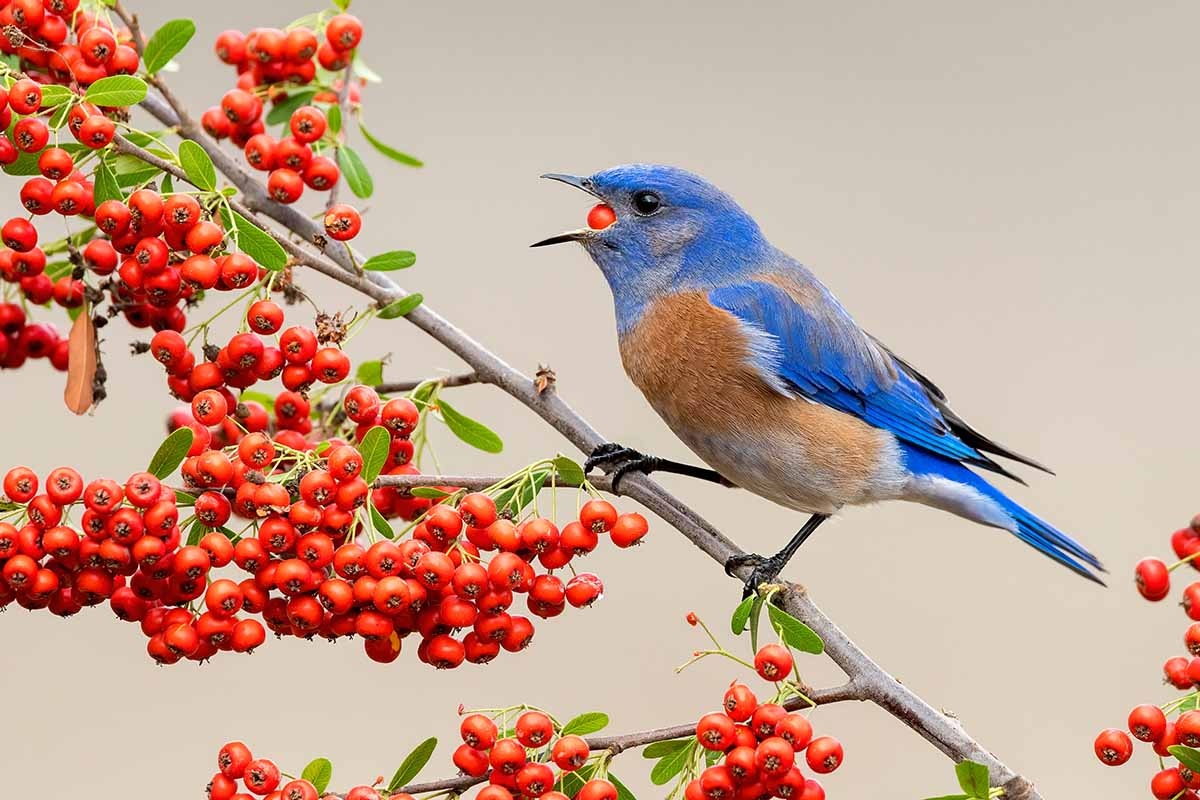
Are Burning Bush Berries Poisonous to Birds: What You Need to Know
Burning bush shrubs are popular in gardens and landscapes due to their vibrant foliage and bright red berries that add color during the fall and winter months. Many gardeners and bird enthusiasts notice birds frequently visiting these shrubs, often wondering about the safety of the berries. Birds play a crucial role in seed dispersal, so understanding which plants are safe for them is important for maintaining a healthy backyard ecosystem.
These shrubs produce berries that persist well into winter, providing a potential food source when other options are scarce. However, not all berries are equally safe for wildlife. Observing bird behavior and understanding plant toxicity can help you determine whether certain shrubs support or endanger local species.
The question of whether these shrubs pose a risk to birds arises naturally for anyone aiming to attract wildlife without causing harm. Considering their popularity and the curiosity of wildlife enthusiasts, it is essential to explore whether burning bush berries are poisonous to birds. This information helps ensure both the safety of visiting birds and the enjoyment of your garden.
Toxicity of Burning Bush Berries
Burning bush shrubs produce vibrant red berries that are visually appealing and often used in landscaping. While these berries may seem harmless, understanding their toxicity is crucial for both humans and wildlife. Birds, mammals, and pets may encounter these berries, making it important to evaluate whether they pose health risks and how they interact with local ecosystems.
Chemical Composition and Potential Toxins
Burning bush berries contain compounds that can be mildly toxic if ingested in large quantities. The primary concern is the presence of alkaloids and saponins, naturally occurring chemicals that can cause digestive discomfort or nausea in certain animals. These compounds serve as a natural defense mechanism for the plant, deterring herbivores from consuming large amounts.
For birds, the effects are generally less severe than for humans or pets. Many bird species can metabolize small amounts of these compounds without harm, as their digestive systems are adapted to processing a variety of plant materials. However, consuming excessive quantities of burning bush berries can lead to mild gastrointestinal upset or lethargy in smaller bird species. Awareness of these chemical properties helps gardeners and wildlife enthusiasts provide safe feeding environments while understanding the limitations of the plant as a food source.
Impact on Birds
Research and observations indicate that most birds tolerate burning bush berries in moderation. Species such as robins, cedar waxwings, and other fruit-eating birds may consume these berries, particularly during winter when alternative food sources are scarce. The berries provide energy and nutrients that support survival in colder months, despite the presence of mild toxins.
Birds typically regulate their intake, avoiding overconsumption. Their foraging behavior and instinctive knowledge help them identify which berries are safe in quantity. Smaller birds, however, may be more sensitive to the chemical compounds present, and excessive feeding could cause mild digestive distress. Monitoring bird interactions with burning bush shrubs allows you to gauge whether your garden provides a safe environment while understanding that the berries are not a preferred food source for all species.
Comparison with Other Ornamental Berries
Compared to other ornamental shrubs, burning bush berries are moderately toxic. Plants like holly, yew, and privet contain more potent toxins that can be dangerous even in small quantities, while burning bush berries are generally considered low-risk for birds. This makes them a relatively safer choice for landscaping, especially when considering winter food availability for wildlife.
Despite being safer than highly toxic plants, it is still important to provide a variety of natural foods for birds, including seeds, fruits, and insects, to minimize the risks associated with consumption of burning bush berries. Diversifying food sources supports bird health and prevents reliance on a single potentially harmful plant. Gardeners should balance ornamental aesthetics with wildlife safety, using knowledge of berry toxicity to make informed planting decisions.
Safety Precautions and Best Practices
To ensure the well-being of birds, it is recommended to monitor their consumption of burning bush berries. Avoid planting these shrubs in areas where young, small, or sensitive bird species frequent, and provide alternative food sources nearby. Observing bird behavior can help determine how much of the berries they safely consume.
Additionally, maintaining a variety of native plants with non-toxic fruits and seeds encourages healthy foraging habits. Proper garden planning ensures that birds have safe options during winter, reducing the likelihood of overconsumption of potentially irritating berries. Understanding the toxicity of burning bush berries allows gardeners to enjoy the plant’s ornamental appeal while keeping visiting birds safe.
Signs a Bird Has Eaten Poisonous Berries
Observing birds in your garden or local area can help you monitor their health and behavior, especially when they have access to potentially toxic berries. Birds are naturally adept at avoiding harmful foods, but ingestion of poisonous berries can still occur. Recognizing early signs of distress is crucial for ensuring their safety and providing timely intervention when necessary.
Behavioral Changes
One of the first signs a bird has ingested poisonous berries is a noticeable change in behavior. Birds may become lethargic, sluggish, or unusually quiet, reducing their normal activity levels.
You might observe a bird sitting in one spot for an extended period, struggling to maintain balance, or displaying erratic movements. These behavioral changes result from the toxic compounds affecting the nervous system or digestive tract. In some cases, birds may also exhibit signs of disorientation, such as difficulty flying or perching. Monitoring these behaviors helps you detect potential poisoning early, allowing you to take measures to prevent further exposure and protect other birds in the area.
Physical Symptoms
Physical symptoms often accompany behavioral changes when a bird has consumed toxic berries. Signs may include drooling, regurgitation, vomiting, or diarrhea, depending on the species and quantity ingested.
Birds may also exhibit puffed-up feathers, trembling, or weak wing movements. In some cases, their breathing may become labored or irregular, and eyes may appear glazed or partially closed. These physical indicators signal that the bird’s body is reacting to harmful compounds in the berries. Prompt recognition of these symptoms is essential for anyone managing wildlife feeding areas, as early intervention can significantly improve the bird’s chances of recovery.
Feeding and Appetite Changes
A poisoned bird may show a loss of appetite or reluctance to eat regular food sources. Birds that normally forage actively might ignore seeds, insects, or other preferred items after ingesting toxic berries.
This reduction in feeding behavior can exacerbate the effects of poisoning, as the bird may become dehydrated or weak. Observing changes in foraging patterns, frequency of visits to feeders, or the amount of food consumed can provide important clues about potential poisoning. Providing fresh water and alternative food sources is critical when you notice these signs, helping birds recover more quickly from mild toxic exposure.
Vocalization and Social Interaction
Changes in vocalization and social behavior can also indicate ingestion of poisonous berries. Birds may become unusually silent, stop calling to flock members, or fail to respond to normal social cues.
For highly social species, this isolation is abnormal and often reflects discomfort or distress. Conversely, some birds may produce unusual sounds or distress calls. Monitoring these vocal changes alongside behavioral and physical symptoms can give you a comprehensive understanding of the bird’s condition. Awareness of social behavior patterns allows you to identify affected birds even in larger groups, ensuring timely observation and intervention.
Emergency Response and Observation
If you suspect a bird has eaten poisonous berries, it is important to act quickly. Remove access to the toxic plant and provide safe, non-toxic food and clean water. Observing the bird closely helps determine whether symptoms improve or worsen.
For severe cases, contacting a local wildlife rehabilitator or avian veterinarian is recommended. Documenting the bird’s behavior, physical symptoms, and the type of berries consumed can assist professionals in providing appropriate care. Preventive measures, such as planting non-toxic alternatives and educating neighbors about poisonous plants, can reduce the risk of future incidents, protecting both wild and backyard birds.
Recognizing the signs that a bird has ingested poisonous berries—including behavioral changes, physical symptoms, appetite shifts, and social or vocal alterations—allows you to take timely action. Early detection and appropriate care significantly improve the bird’s chances of recovery while fostering a safer environment for all visiting wildlife.
Preventive Measures for Bird Safety
Ensuring the safety of birds in your garden or backyard requires proactive strategies. Preventive measures help reduce the risk of birds ingesting toxic berries, encountering predators, or being exposed to harmful chemicals. By understanding the hazards and implementing simple solutions, you can create a safe, bird-friendly environment that supports healthy feeding, nesting, and overall wildlife well-being.
Selecting Safe Plants and Berries
One of the most effective preventive measures is careful selection of plants and berries in your garden. Avoid planting species known to be toxic to birds, such as certain ornamental shrubs with poisonous fruits. Instead, opt for native plants and shrubs that produce non-toxic berries, seeds, and nectar that provide safe nutrition for birds.
Birds are naturally drawn to colorful fruits, so planting safe alternatives ensures they can forage without risk. Native plants also support local insect populations, which are an additional food source for many species. By diversifying plant options and avoiding known hazards, you reduce the likelihood of birds consuming toxic berries and enhance the overall ecological balance of your garden.
Safe Feeding Practices
Providing clean and safe feeding stations is another key preventive measure. Use bird feeders that are easy to clean and regularly replenish them with fresh, non-toxic food. Avoid offering processed foods, bread, or seeds treated with chemicals, as these can harm birds.
Placement of feeders is equally important. Position them in sheltered areas away from direct exposure to predators, busy roads, or areas with toxic plants. Regular monitoring of feeders allows you to observe bird behavior, detect illness early, and adjust feeding strategies as needed. Safe feeding practices promote healthy nutrition and minimize the risk of accidental poisoning.
Monitoring and Observation
Regular monitoring of birds and their behavior is crucial for early detection of potential hazards. Observe feeding habits, interactions, and movement patterns to identify any signs of distress or ingestion of unsafe foods.
Pay attention to birds visiting potentially hazardous plants or areas. Early identification of dangerous berries or other environmental risks allows you to take corrective action, such as pruning toxic plants, relocating feeders, or providing alternative food sources. Consistent observation also helps you understand local bird populations and their needs, creating a safer and more supportive habitat over time.
Environmental Safety Measures
Maintaining a safe environment extends beyond plants and feeders. Minimize the use of pesticides, herbicides, and chemical fertilizers, as exposure to these substances can harm birds. Create sheltered areas with dense shrubs or trees to protect birds from predators and harsh weather.
Water sources should be clean and easily accessible, avoiding stagnant water that may harbor bacteria or toxins. Providing a balanced and secure habitat reduces stress on birds and promotes natural foraging and nesting behaviors. Thoughtful garden planning ensures long-term safety and encourages birds to thrive in your backyard.
Preventive measures for bird safety—including planting non-toxic species, safe feeding practices, vigilant observation, and environmental management—help create a healthy and secure habitat. These actions reduce the risk of poisoning and other hazards, ensuring that birds can enjoy your garden safely throughout the year.
FAQs
Are Burning Bush Berries Poisonous To Birds?
Burning bush berries are generally considered low in toxicity for birds. Most species can eat them in moderation without serious harm. Birds have digestive systems adapted to handle certain plant compounds that might be mildly irritating to humans or pets.
However, overconsumption can cause mild gastrointestinal upset, especially in smaller birds. Observing how birds interact with these berries can help you understand their tolerance levels. Providing alternative food sources alongside burning bush berries ensures that birds have a balanced diet and reduces the risk of adverse effects from eating too many of these ornamental fruits.
Can Birds Safely Eat Burning Bush Berries In Winter?
Yes, many birds consume burning bush berries during winter when other food sources are scarce. Species like robins and cedar waxwings often rely on ornamental berries to supplement their diet during cold months.
While the berries contain compounds that could be mildly toxic in large amounts, birds usually regulate their intake naturally. Their instincts help them avoid eating quantities that could cause harm. By offering safe, non-toxic alternatives nearby, you can support bird health and ensure that winter foraging is safe, even when burning bush berries are part of the available food options.
What Symptoms Indicate A Bird Has Eaten Too Many Burning Bush Berries?
If a bird consumes excessive burning bush berries, it may show signs of mild digestive distress. Symptoms include lethargy, drooping wings, vomiting, diarrhea, or reduced appetite.
Observing these behaviors is essential for early intervention. Smaller birds are more susceptible to the berries’ mild toxins, so providing safe food sources like seeds or native fruits helps prevent overconsumption. Monitoring bird activity around burning bush shrubs allows you to gauge their reactions and adjust feeding strategies accordingly, ensuring that birds remain healthy while enjoying your garden.
Are All Bird Species Able To Eat Burning Bush Berries?
Not all bird species tolerate burning bush berries equally. Larger fruit-eating birds like robins, waxwings, and cedar birds typically handle the berries well, while smaller or more sensitive species may experience mild digestive upset.
Behavior and instinct guide which birds consume these berries safely. Birds often sample a small quantity first, learning whether the fruit is safe. Providing a variety of non-toxic fruits and seeds helps ensure that more vulnerable species have alternative nutrition, reducing the risk of accidental ingestion and promoting a healthy, balanced diet for all visiting birds.
Can Burning Bush Berries Be Used To Feed Wild Birds?
Burning bush berries should not be the primary food source for wild birds. While birds may eat them occasionally, the berries contain compounds that can irritate the digestive system in large amounts.
Using these berries sparingly as a supplement is safer, but relying on them alone is not recommended. Offering a variety of seeds, fruits, and insects ensures that birds receive proper nutrition without risk. This approach allows you to enjoy the aesthetic appeal of burning bush shrubs while keeping wildlife healthy and minimizing potential hazards.
How Can I Make My Garden Safer For Birds Around Burning Bush Shrubs?
To protect birds, you can plant non-toxic alternatives near burning bush shrubs, such as native berry-producing plants and seed-bearing flowers. This encourages birds to forage safely while reducing the risk of overconsuming potentially irritating berries.
Regularly monitor bird activity and observe signs of distress or unusual behavior. Avoid using pesticides or chemicals near the shrubs, as these can worsen toxicity risks. By combining safe plant choices, alternative food sources, and careful observation, you can create a garden environment where birds can feed, roost, and thrive safely throughout the year.
Conclusion
Understanding the risks associated with certain garden plants is essential for anyone who cares about local wildlife. Birds are naturally curious and may peck at colorful fruits, making it important to know which plants are safe for them. Observing their behavior and recognizing any signs of distress can help prevent serious health issues.
When considering plants for your garden, it is always wise to research their effects on birds. In the case of the burning bush, gardeners should be cautious and monitor whether birds show any adverse reactions after consuming its berries. Consulting with local wildlife experts or veterinarians can provide guidance on safe alternatives to plant in areas frequented by birds.
Ultimately, keeping birds safe in your garden requires awareness and proactive care. By understanding whether are burning bush berries poisonous to birds, you can make informed decisions that protect these delicate creatures while still enjoying vibrant landscaping.